 Amanze Chinonye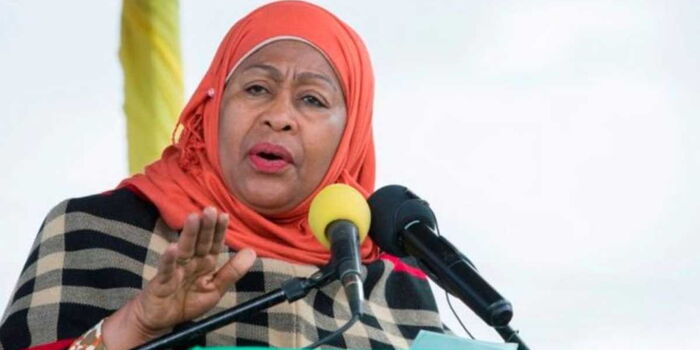
President Samia Suluhu Hassan has launched the implementation framework for Tanzania’s Development Vision 2050, positioning the private sector as the principal driver of the country’s long-term strategy to build a high-income, industrialised economy by mid-century, Prime Business Africa reports.
Speaking at the launch in Dodoma, Suluhu said the framework signals a shift from policy formulation to execution, with the government focused on creating an enabling environment for investment while the private sector leads implementation.
Join our WhatsApp Channel
She said the government would continue removing barriers to investment and enterprise to ensure the Vision delivers inclusive economic growth and improved living standards.
READ ALSO :
Mau Mau Rebellion: The Uprising That Changed Kenya’s Path to Independence
The President directed the President’s Office responsible for Planning and Investment, alongside relevant government agencies, to intensify public awareness campaigns to deepen citizens’ understanding of Vision 2050 and encourage broad participation in its implementation.
She also urged Tanzanians to preserve peace, unity and stability, describing them as indispensable to achieving the country’s long-term development goals.
“I urge Tanzanians to continue maintaining peace, unity and stability so that together we ensure this Vision does not remain mere aspirations or a policy document, but is implemented with great success for the benefit of our nation,” Suluhu said.
Vision 2050 succeeds Tanzania’s Vision 2025 and seeks to transform the country into a competitive, knowledge-based upper-middle-income economy with a Gross Domestic Product of about US$1 trillion by 2050. The strategy prioritises industrialisation, digital transformation, infrastructure development, human capital, climate resilience and stronger public-private partnerships.
Implementation will commence through the First Five-Year Development Plan (2026/27–2030/31), backed by a government allocation of approximately TZS12.5 trillion for priority programmes.
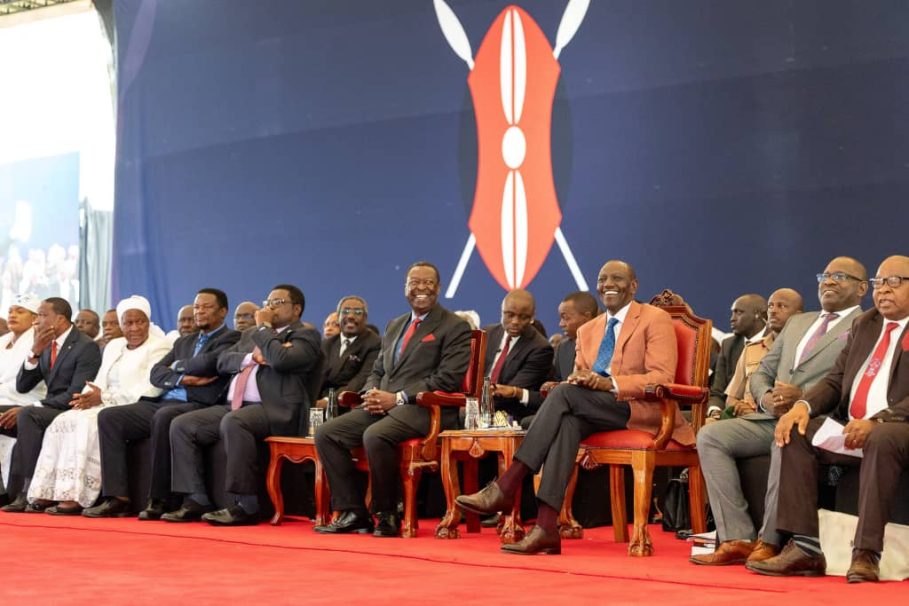
The launch comes days after Kenyan President William Ruto initiated the process of replacing Kenya’s Vision 2030 with a new long-term development blueprint, Vision 2060.
READ MORE :
Zimbabwe’s Tobacco Sales Reach Record High Despite Global Market Pressures
In a national address on July 30, Ruto acknowledged that Kenya is unlikely to attain upper-middle-income status by 2030 under the current framework, despite the progress recorded since Vision 2030 was adopted. He announced a nationwide “National Conversation” beginning on August 12 to shape the successor strategy, saying it would position Kenya to seize emerging global opportunities while strengthening institutions for sustained economic growth.
The developments place East Africa’s two largest economies on parallel long-term development paths, with Tanzania moving into the implementation phase of Vision 2050 as Kenya begins crafting its post-Vision 2030 agenda.
Together, the initiatives underscore a regional push toward private sector-led growth, stronger institutions and sustainable economic transformation.

Amanze Chinonye is a Staff Correspondent at Prime Business Africa, a rising star in the literary world, weaving captivating stories that transport readers to the vibrant landscapes of Nigeria and the rest of Africa. With a unique voice that blends with the newspaper's tradition and style, Chinonye's writing is a masterful exploration of the human condition, delving into themes of identity, culture, and social justice. Through her words, Chinonye paints vivid portraits of everyday African life, from the bustling markets of Nigeria's Lagos to the quiet villages of South Africa's countryside . With a keen eye for detail and a deep understanding of the complexities of Nigerian society, Chinonye's writing is both a testament to the country's rich cultural heritage and a powerful call to action for a brighter future. As a writer, Chinonye is a true storyteller, using her dexterity to educate, inspire, and uplift readers around the world.