 Amanze Chinonye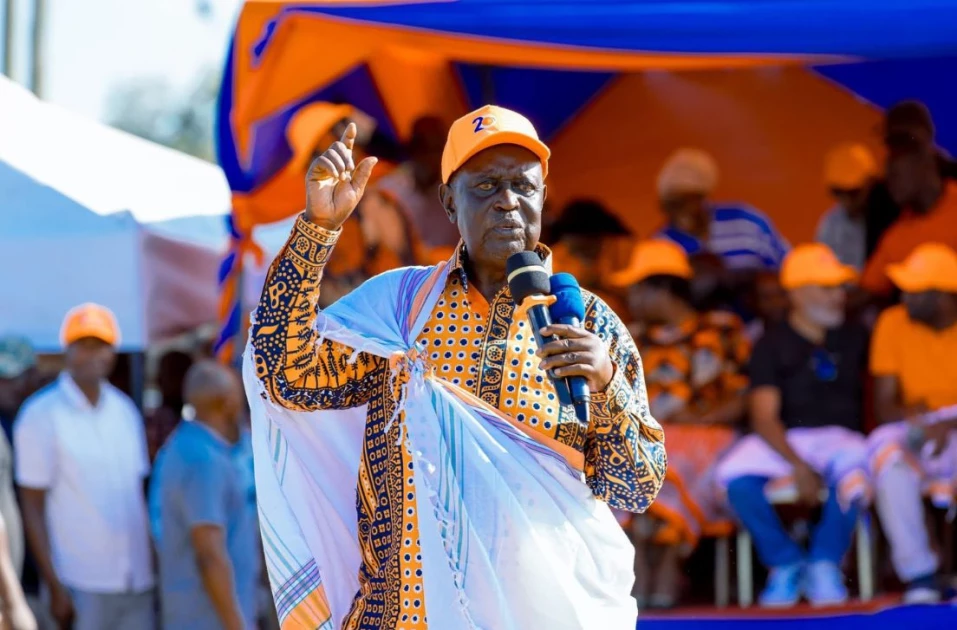
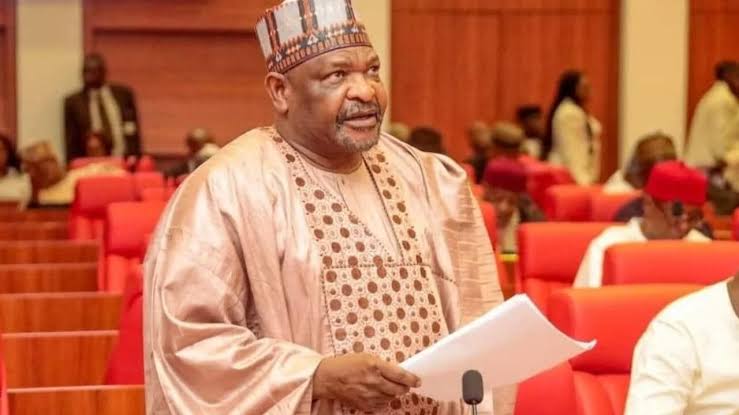
Kenyan Senator Oburu Oginga has called for the official recognition of Saba Saba Day as a national holiday, arguing that the historic anniversary should serve as a symbol of Kenya’s democratic journey and a reminder of the sacrifices made in the struggle for political freedom, Prime Business Africa reports.
Oburu, in a statement marking July 7, said Saba Saba should be transformed from a day often associated with protests and political tension into a national occasion for reflection, remembrance and a renewed commitment to protecting democratic values.
READ ALSO :
Join our WhatsApp Channel
He said the original Saba Saba movement of 1990 represented a turning point in Kenya’s political history, with campaigners demanding the end of the one-party state, the repeal of Section 2A of the Constitution and the restoration of multi-party democracy.
“Having lived through that struggle, I am proud that these milestones were successfully achieved first in the early ’90s and later anchored in our 2010 Constitution,” Oburu said.
The senator said the achievements of that era demonstrated the power of civic action and constitutional reform, adding that Saba Saba had now earned recognition as a day to honour democracy activists and reflect on the responsibility of preserving Kenya’s political freedoms.
Saba Saba, which means “seven seven” in Kiswahili, refers to July 7, 1990, when pro-democracy activists mobilised demonstrations in Nairobi to demand political reforms under the government of former President Daniel arap Moi.
At the time, Kenya operated under a one-party political system dominated by the Kenya African National Union (KANU), with Section 2A of the Constitution restricting the formation of other political parties. The pressure from the pro-democracy movement contributed to the repeal of the provision in 1991, paving the way for the return of multi-party politics.
READ MORE :
New Documentary Exposes Kenya’s $Millions Ghostwriting Industry Helping Students Cheat Abroad
The movement was driven by prominent reform advocates, including Jaramogi Oginga Odinga, Kenneth Matiba and Charles Rubia, whose efforts became central to Kenya’s transition towards a more open political system.
More than three decades later, Saba Saba remains a significant reference point in Kenya’s democratic history and continues to shape conversations around governance, accountability, constitutionalism and citizens’ participation.
Oburu’s call comes amid ongoing debates about the meaning of Saba Saba in contemporary Kenya. While some groups continue to use the anniversary to demand accountability and reforms, the senator is pushing for a broader national commemoration focused on recognising past struggles and safeguarding the democratic institutions built from them.
He urged Kenyans to use the occasion to honour those who fought for political freedoms, appreciate the progress made and ensure that the country’s democratic gains remain protected for future generations.

Amanze Chinonye is a Staff Correspondent at Prime Business Africa, a rising star in the literary world, weaving captivating stories that transport readers to the vibrant landscapes of Nigeria and the rest of Africa. With a unique voice that blends with the newspaper's tradition and style, Chinonye's writing is a masterful exploration of the human condition, delving into themes of identity, culture, and social justice. Through her words, Chinonye paints vivid portraits of everyday African life, from the bustling markets of Nigeria's Lagos to the quiet villages of South Africa's countryside . With a keen eye for detail and a deep understanding of the complexities of Nigerian society, Chinonye's writing is both a testament to the country's rich cultural heritage and a powerful call to action for a brighter future. As a writer, Chinonye is a true storyteller, using her dexterity to educate, inspire, and uplift readers around the world.