 Amanze Chinonye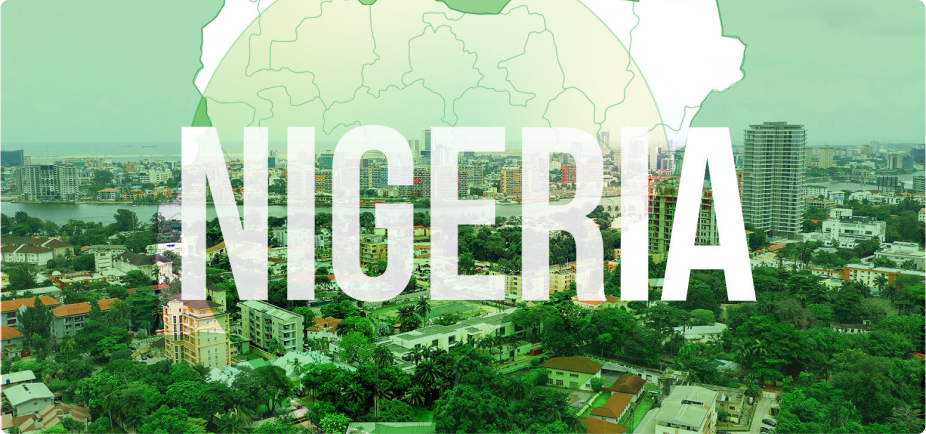
Nigeria’s present 36-state structure is the product of successive state creation exercises that transformed the country from a regional system into a federal structure.
Although independence was achieved in 1960, the foundation of Nigeria’s modern subnational architecture was laid in 1967, when the military administration dismantled the regional system and introduced a 12-state federation.
At independence, Nigeria operated a four-region structure comprising :
Join our WhatsApp Channel- The Northern,
- Western,
- Eastern and
- Mid-Western Regions.
These were broad administrative units shaped by colonial governance and loosely aligned with major ethno-cultural formations. This arrangement remained in place until political tensions and the civil war crisis prompted a fundamental restructuring of the federation.
READ ALSO :
Between Creation Of More States And Regional Govt, Which Do We Really Need?
How Nigeria’s State Structure Took Shape (1967 – 1996)
On 27 May 1967, the federal military government under General Yakubu Gowon created 12 states, marking Nigeria’s transition from regional governance to a state-based federation. The states created were :
- North-Western,
- North-Eastern,
- Kano,
- Kaduna,
- Kwara,
- Benue-Plateau,
- Western,
- Lagos,
- Mid-Western,
- East-Central,
- Rivers and
- South-Eastern (now Cross River) States.
The restructuring fundamentally altered Nigeria’s political landscape by replacing the regional system with smaller administrative units aimed at decentralising power and responding to the political tensions that culminated in the civil war.
A second and more expansive state creation exercise followed on 3 February 1976 under the military administration of General Murtala Muhammed.
It produced :
- Anambra,
- Bauchi,
- Benue,
- Borno,
- Imo,
- Niger,
- Ogun,
- Ondo,
- Oyo,
- Plateau and
- Sokoto States, among others
significantly increasing the number of federating units and reducing the size of existing states.
Subsequent exercises further expanded the federation:
- 23 September 1987: Akwa Ibom and Katsina States were created.
- 27 August 1991: Abia, Adamawa, Delta, Edo, Enugu, Jigawa, Kebbi, Kogi, Osun and Yobe States were created, while Taraba was created on 27 August 1991.
- 1 October 1996: Bayelsa, Ebonyi, Ekiti, Gombe, Nasarawa and Zamfara States were created, completing Nigeria’s current 36-state structure.
Nigeria’s Founding States and Their Lasting Legacy
According to the historical timeline of state creation, Nigeria’s founding states are those established during the 27 May 1967 restructuring. They include :
- Lagos,
- Rivers,
- South-Eastern (now Cross River),
- Kaduna,
- Kano
- Kwara, alongside
- the former North-Western,
- North-Eastern,
- Western,
- Mid-Western,
- East-Central and
- Benue-Plateau States
many of which were later divided into new states.
READ MORE :
Nigeria’s Social Media 42-state Plan Goes Viral, But Exposes Deeper Crisis In Federal Structure
The 1976 restructuring marked the second major phase of state creation, producing several states that remain among the country’s oldest, including:
- Anambra,
- Bauchi,
- Benue,
- Borno,
- Imo,
- Niger,
- Ogun,
- Ondo,
- Oyo,
- Plateau and
- Sokoto.
Together, the 1967 and 1976 exercises laid the institutional foundation for Nigeria’s modern federal system, while subsequent rounds of state creation refined the administrative map without altering its core structure.
A Federal Structure That Continues to Shape Nigeria
The evolution of Nigeria’s state structure reflects decades of efforts to balance representation, improve administrative efficiency and accommodate the country’s ethnic and regional diversity.
Although additional states were created in 1987, 1991 and 1996, the reforms of 1967 and 1976 remain the defining milestones in Nigeria’s political evolution. They continue to shape debates on restructuring, resource allocation, federal character and political representation.
Nearly six decades after the first state creation exercise, the legacy of Nigeria’s founding states remains embedded in the country’s governance framework, underscoring the enduring influence of the decisions that transformed four regions into the 36-state federation that exists today.

Amanze Chinonye is a Staff Correspondent at Prime Business Africa, a rising star in the literary world, weaving captivating stories that transport readers to the vibrant landscapes of Nigeria and the rest of Africa. With a unique voice that blends with the newspaper's tradition and style, Chinonye's writing is a masterful exploration of the human condition, delving into themes of identity, culture, and social justice. Through her words, Chinonye paints vivid portraits of everyday African life, from the bustling markets of Nigeria's Lagos to the quiet villages of South Africa's countryside . With a keen eye for detail and a deep understanding of the complexities of Nigerian society, Chinonye's writing is both a testament to the country's rich cultural heritage and a powerful call to action for a brighter future. As a writer, Chinonye is a true storyteller, using her dexterity to educate, inspire, and uplift readers around the world.