 Amanze Chinonye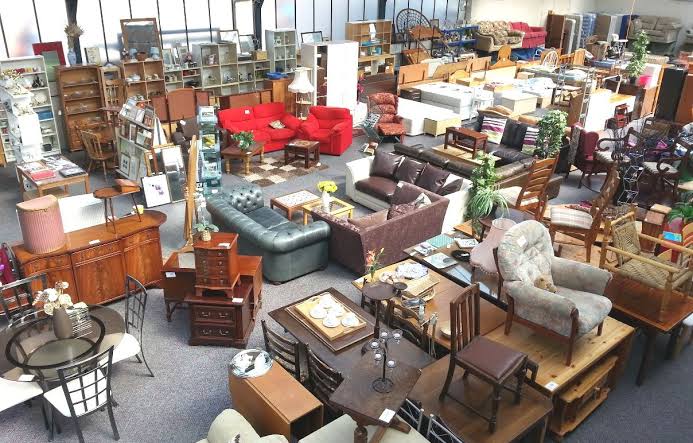
As inflation and rising living costs continue to strain household budgets across the world, more consumers are turning to thrift stores, online marketplaces, garage sales and estate auctions for affordable home essentials.
The secondhand market has grown significantly in recent years, fueled not only by economic pressures but also by increasing environmental awareness and a culture of reuse.
From used sofas and dining tables to refurbished appliances and decorative pieces, pre-owned household items are increasingly seen as practical alternatives to expensive new products. Yet behind the attraction of low prices lies a lesser-known reality: not every bargain is worth the risk.
Join our WhatsApp ChannelREAD ALSO :
Consumer safety specialists, pest control professionals and home maintenance experts warn that some secondhand household items may expose buyers to health hazards, electrical dangers, hidden infestations and costly long-term repairs.
While many used products remain safe when properly inspected, experts say certain items should be approached with extreme caution or avoided altogether.
The Hidden Health Risks in Used Furniture
Among the most frequently discouraged secondhand purchases are mattresses, pillows and upholstered furniture.
Health experts say these items can harbor bacteria, mold spores, dust mites, allergens and bodily fluids that are often impossible to detect during routine inspections. Mattresses and padded furniture are also considered high-risk carriers of bed bugs, which can spread rapidly through homes and apartment buildings once introduced.
Consumer safety reviews indicate that even mattresses that appear clean externally may contain years of hidden contamination. Older mattresses may also have weakened internal support systems or outdated flame-retardant materials that no longer meet modern safety standards.
Upholstered couches and fabric chairs present similar concerns. Pest control professionals warn that bed bugs and fleas frequently hide within seams, cushions and wooden frames, making infestations difficult to identify before purchase. Once inside a home, extermination can become both expensive and stressful.
Medical experts further caution that smoke residue, pet dander and mold trapped in old fabrics may trigger allergic reactions and respiratory problems, particularly among children and people with asthma.
The rise of peer-to-peer resale platforms has intensified these concerns, with consumer advocates warning that many buyers unknowingly purchase contaminated furniture from sellers whose products have not undergone any form of professional inspection or sanitation.
READ MORE :
When Cheap Appliances Become Dangerous
Experts also advise caution when purchasing secondhand electrical appliances simply because they appear inexpensive.
Used electric blankets, microwaves, space heaters, lamps and small kitchen appliances are among the products most commonly associated with hidden electrical hazards. Older appliances may contain damaged insulation, worn wiring or internal defects capable of causing electric shocks, overheating or house fires.
Unlike cosmetic wear, internal electrical faults are often difficult to detect without professional assessment. Some aging appliances may also lack modern safety features now standard in newer models.
Vintage lighting fixtures and extension cords are similarly viewed as risky purchases, especially when their maintenance history is unknown. Consumer safety analysts warn that outdated electrical systems can fail unexpectedly after prolonged use.
Secondhand cookware has also drawn increasing scrutiny from safety experts. Older non-stick pans with scratched or deteriorating coatings may release potentially harmful substances when exposed to high temperatures.
Experts recommend avoiding heavily worn cookware, particularly products manufactured before stricter chemical safety regulations were introduced.
Used electronics can present financial risks as well. Repair specialists say many buyers underestimate the cost of replacing missing components, fixing damaged circuits or sourcing obsolete parts for discontinued devices.
Extra Caution for Children’s Products
Consumer protection groups have issued some of their strongest warnings regarding secondhand baby and children’s items.
Experts advise parents against purchasing used cribs, car seats, strollers and infant furniture without first checking manufacturer recalls and current safety standards. Older products may contain broken components, loose fittings or hazardous materials such as lead-based paint.
Car seats are considered especially risky because structural damage from previous accidents may not be visible externally. Safety organizations stress that even minor unseen damage can compromise crash protection.
Toy safety also remains a major concern. Older toys may contain detachable parts, toxic materials or unsafe battery compartments capable of posing choking or poisoning hazards to children.
Because safety regulations continue to evolve, experts say secondhand children’s products require far more scrutiny than most ordinary household items.
READ ALSO :
When Buying Used Still Makes Sense
Despite the risks, consumer advocates maintain that secondhand shopping can still be economical and environmentally responsible when approached carefully.
Hard-surface items such as solid wood furniture, metal shelves, glass tables and ceramic décor are generally considered safer purchases because they can be cleaned and inspected more effectively. Refurbished appliances sold through certified dealers may also provide reliable alternatives at lower prices.
Experts recommend carefully inspecting used items for stains, unusual odors, rust, insect activity, water damage and missing parts before making any purchase. Buyers are also encouraged to ask sellers about an item’s age, maintenance history and storage conditions.
Some pest control professionals additionally recommend isolating secondhand items in garages or outdoor areas temporarily before bringing them fully indoors.
As economic pressures continue driving demand for cheaper household alternatives, experts say informed purchasing decisions remain the best defense against turning a low-cost bargain into a costly mistake.
For many consumers, the appeal of secondhand shopping is unlikely to fade anytime soon. Still, specialists insist that understanding the hidden risks behind certain used household items may ultimately save buyers far more than the money they hoped to conserve.

Amanze Chinonye is a Staff Correspondent at Prime Business Africa, a rising star in the literary world, weaving captivating stories that transport readers to the vibrant landscapes of Nigeria and the rest of Africa. With a unique voice that blends with the newspaper's tradition and style, Chinonye's writing is a masterful exploration of the human condition, delving into themes of identity, culture, and social justice. Through her words, Chinonye paints vivid portraits of everyday African life, from the bustling markets of Nigeria's Lagos to the quiet villages of South Africa's countryside . With a keen eye for detail and a deep understanding of the complexities of Nigerian society, Chinonye's writing is both a testament to the country's rich cultural heritage and a powerful call to action for a brighter future. As a writer, Chinonye is a true storyteller, using her dexterity to educate, inspire, and uplift readers around the world.