 Prosper Okoye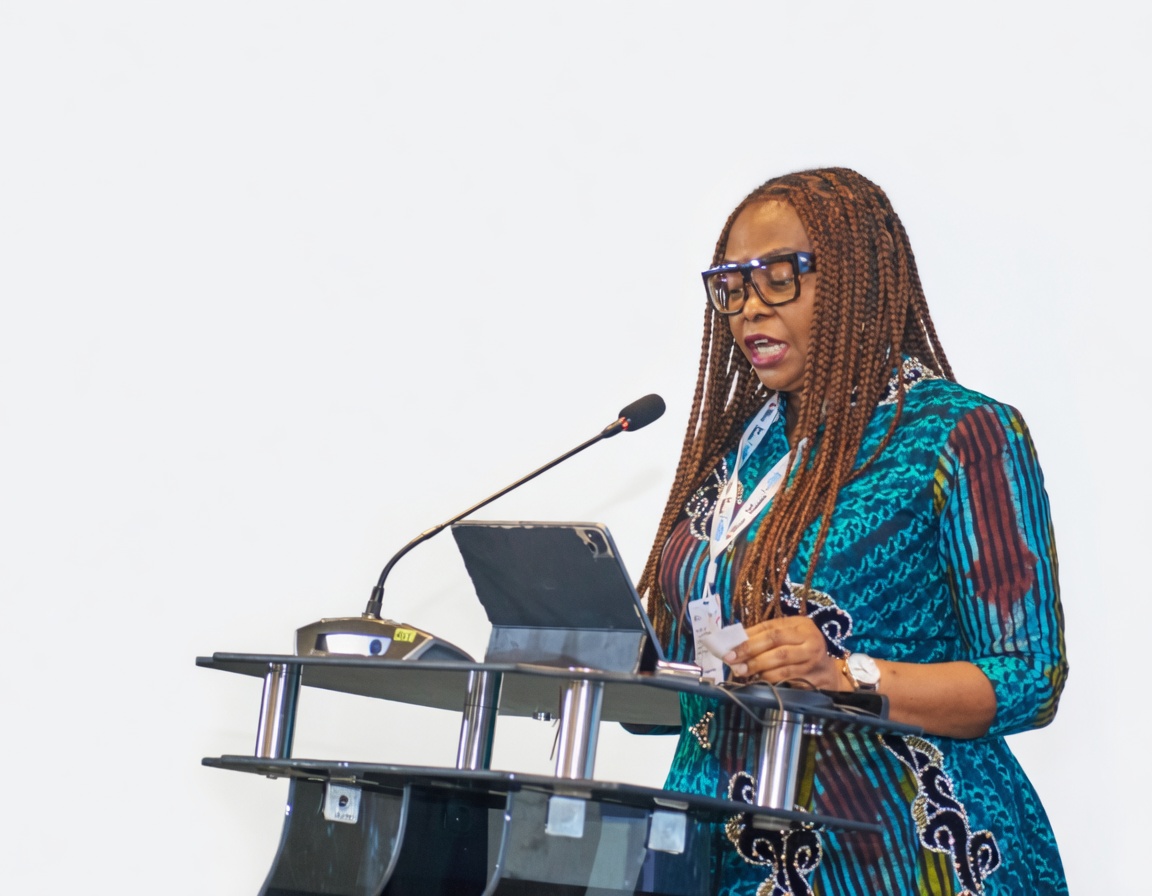
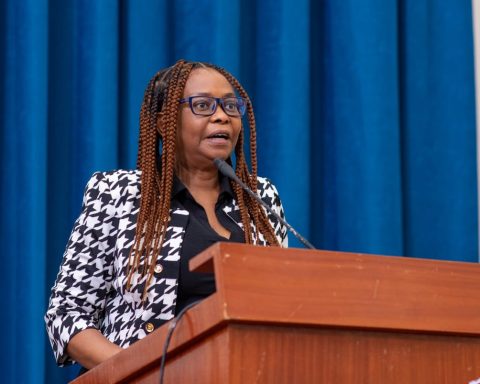
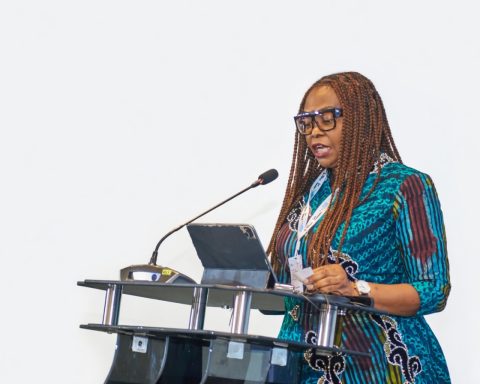
West African regional director of the Ford Foundation, Dr. ChiChi Aniagolu, on Friday called for deliberate and sustained action to increase women’s representation in political leadership across the region, warning that existing quotas remain largely unmet and, in some cases, are slipping backwards.
Speaking at the 2026 Women in Leadership Summit in Lagos, organised by BusinessDay in collaboration with Brooks and Blake and The Conversationalist Limited, Aniagolu said the gap between policy commitments and real political inclusion continues to undermine development outcomes.
“The reality is that women are still nowhere near their population share in leadership,” she said. “And the data is clear — when leadership is inclusive, economies grow faster and societies are more stable.”
Join our WhatsApp ChannelHer remarks come amid growing concern over declining female representation in Nigeria’s political system, even as some West African countries make measurable progress through quota-based reforms.
In Nigeria, women currently hold between 4.1 per cent and 6.7 per cent of seats in the National Assembly, according to recent estimates, with representation falling further after the 2023 elections to roughly 3 per cent in the Senate and 4 per cent in the House of Representatives. The figures place Nigeria well below the West African regional average of about 15 per cent and among the lowest globally.
By contrast, countries such as Senegal have recorded some of the strongest gains on the continent. Senegal’s 2010 gender parity law has helped push female parliamentary representation above 40 per cent, making it one of Africa’s top performers. Other countries, including Benin, Sierra Leone, Cabo Verde, Guinea and Burkina Faso, have also recorded steady improvements through electoral reforms and affirmative policies.
Aniagolu attributed Nigeria’s stagnation to entrenched structural barriers, including the absence of enforceable quotas, socio-cultural norms and the high cost of political participation.
“While many West African countries have moved forward through deliberate policies, Nigeria has moved backward,” she said. “We must confront the systemic issues that keep women out of politics.”
Beyond elective offices, the imbalance is also evident in appointive roles. Women occupied just eight out of 48 ministerial positions in late 2024, far below the country’s 35 per cent affirmative action target. In contrast, some francophone countries in the region, including Mali, have at times exceeded 30 per cent female representation in cabinet positions.
Despite these disparities in governance, Aniagolu noted that progress in the private sector offers a more mixed picture. As of early 2026, women held roughly 29 per cent of senior management roles in major Nigerian companies, though only about 12 per cent of chief executive positions were occupied by women. The banking sector has performed better, with women accounting for about 36 per cent of chief executives in major banks as of 2024.
At the same time, female entrepreneurship has grown steadily, with women owning approximately 48 per cent of businesses in Nigeria — the highest level since 2021.
“These numbers show that when barriers are lowered, women step forward and lead,” she said. “The challenge is replicating that progress in political and public leadership.”
Aniagolu also highlighted gaps in inclusion beyond gender, noting that persons living with disabilities and young people remain significantly underrepresented in leadership across the region.
She argued that while development partners have made efforts to prioritise inclusivity — particularly through partnerships with civil society organisations — philanthropy must go further by investing directly in women-led institutions.
“Philanthropy often prioritises women as beneficiaries, but not always as leaders of change,” she said. “If we are serious about impact at scale, we must fund women-led organisations in ways that are flexible and long-term.”
Short-term and tightly restricted funding models, she added, often limit the ability of such organisations to grow and deliver sustained impact.
“When funding is predictable, organisations can plan, expand and move beyond one-off interventions,” she said.
Beyond financing, Aniagolu stressed the importance of networks and visibility, noting that access to markets, partnerships and influence remains a major constraint for many women-led businesses and organisations.
“Money is important, but networks are just as critical,” she said. “Opening doors can be as powerful as providing funding.”
However, she was clear that philanthropy alone cannot drive systemic change, placing ultimate responsibility on governments to create enabling environments through policy and institutional reforms.
“Philanthropy cannot replace government,” she said. “Its role is to support, to advocate and to complement — but governments must lead.”
She pointed to gaps in political will as a central obstacle, despite the fact that most West African countries, including Nigeria, are signatories to international and regional frameworks promoting gender equality.
“The policies exist. The conventions have been signed. What is missing is implementation,” she said.
To address the gap, Aniagolu outlined key policy priorities, including the adoption of gender-responsive budgeting to ensure public resources reflect the needs of women, and renewed support for legislative measures aimed at boosting representation.
Among these is the proposed Reserved Seats for Women Bill, which seeks to create additional legislative seats for women without displacing existing officeholders.
“While some argue that reserved seats may limit broader participation, it remains the fastest and most legitimate pathway to increasing women’s representation in Nigeria today,” she said.
She also called for stronger implementation of national gender policies to tackle socio-cultural barriers, including patriarchal norms and harmful traditional practices that continue to limit women’s participation in public life.
In a pointed reflection, Aniagolu challenged women themselves to mobilise more effectively, arguing that collective action remains an underutilised force.
“Women have historically demonstrated resilience and strength, yet many have internalised limitations,” she said. “If women mobilise for themselves the way they mobilise in other spheres of life, the need for external support would be far less.”
READ ALSO:
Championing Social Justice Through The Judiciary – Dr ChiChi Aniagolu
Ford Foundation Calls For Sustainable Philanthropy In West Africa
Ford Foundation, UN Women Seek Intervention Of Cultural, Faith Leaders In Tackling GBV In Nigeria
Her remarks drew attention to the broader stakes of inclusion, framing gender equity not just as a rights issue but as a development imperative.
“Inclusive leadership is not just about fairness,” she said. “It is about building societies that work better for everyone.”

Prosper Okoye is a Correspondent and Research Writer at Prime Business Africa, a Nigerian journalist with experience in development reporting, public affairs, and policy-focused storytelling across Africa