 Prosper Okoye
The United States has frozen the assets and properties of eight Nigerians accused of having ties to the terrorist groups Boko Haram and the Islamic State of Iraq and the Levant (ISIL), the US Treasury confirmed.
The sanctions were detailed in a 3,000-page document released on 10 February by the Treasury’s Office of Foreign Assets Control (OFAC) and sighted by correspondents on Monday. The list also includes individuals sanctioned for cybercrime and other security threats.
Individuals Targeted and Background
Among those designated is Salih Yusuf Adamu, also known as Salihu Yusuf, linked to Boko Haram. He was one of six Nigerians convicted in 2022 in the United Arab Emirates for setting up a Boko Haram fundraising cell, attempting to send $782,000 from Dubai to Nigeria.
Join our WhatsApp ChannelOther individuals listed include Abu Musab Al-Barnawi, Abu Abdullah ibn Umar Al-Barnawi, Khaled Al-Barnawi, Abu Bakr Al-Mainuki, Babestan Oluwole Ademulero, Ibrahim Ali Alhassan, and Nnamdi Orson Benson, with sanctions ranging from terrorism-related to cybercrime-related offences. OFAC confirmed that all property and interests of these individuals within US jurisdiction are blocked, and US persons are prohibited from conducting business with them.
READ ALSO:
IPOB Organises South-East Rallies in Appeal to Trump, Demands Freedom for Nnamdi Kanu
Trump Declares National Emergency Over Cuba, Threatens Tariffs on Oil-Supplying Nations
Trump Threatens 100% Tariffs on Canadian Goods Over China Trade Deal
Context and US Policy
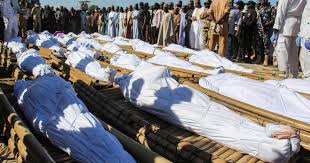
The move follows recommendations from the US Congress for visa bans and asset freezes on individuals and groups accused of violating religious freedoms and persecuting Christians in Nigeria. Boko Haram was officially designated a foreign terrorist organisation by the US in 2013 and is blamed for thousands of deaths across northern Nigeria and neighbouring Lake Chad Basin countries.
The sanctions fall under Executive Order 13224 and form part of broader US efforts to prevent financial support for terrorism and related crimes. Washington has previously placed Nigeria on the “Countries of Particular Concern” list over alleged religious freedom violations, a designation first made in 2020, removed in 2021, and reinstated in 2025.
Prosper Okoye is a Correspondent and Research Writer at Prime Business Africa, a Nigerian journalist with experience in development reporting, public affairs, and policy-focused storytelling across Africa