 Prosper Okoye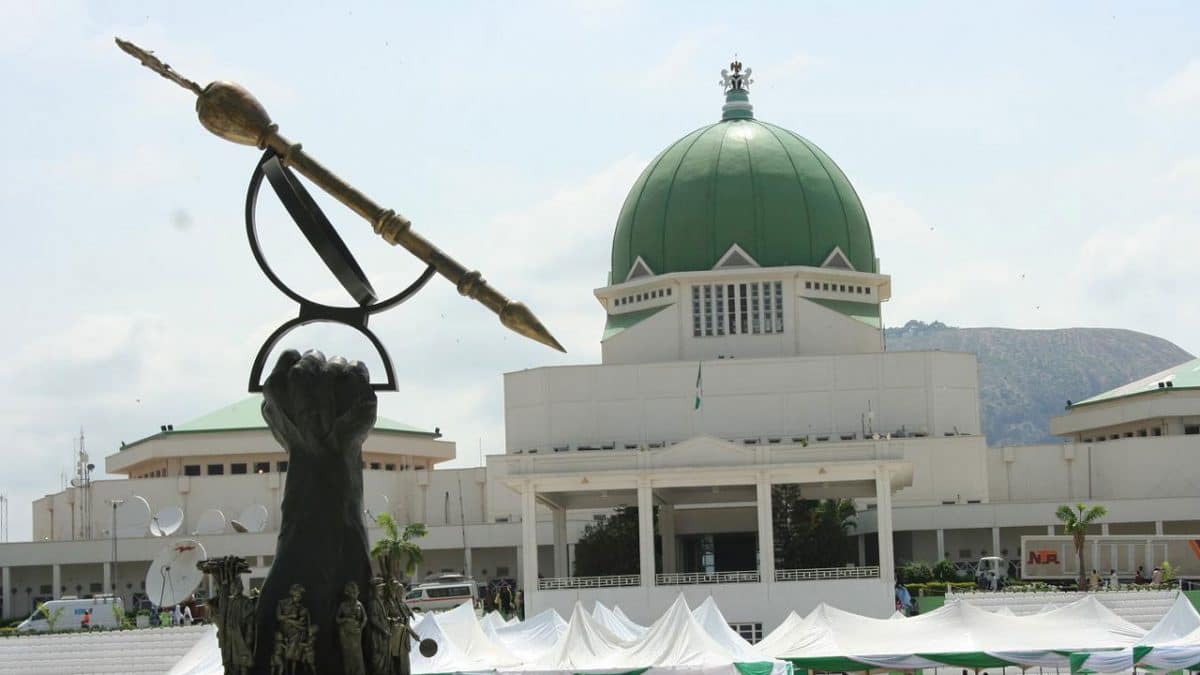
The National Assembly has approved a budget of N1.50 trillion for the Nigerian Army for the 2026 fiscal year, pledging legislative support to ensure funds are released promptly for operational use.
The Nigerian Army’s budget for 2026 has been increased by around 3.1% to ₦1.50 trillion, up from ₦1.455 trillion in 2025. While the rise is modest, it is expected to help cover inflation on salaries, operational costs, and ongoing programmes, though it may not be enough for major new acquisitions or expansion. Beyond operational needs, the allocation sends a political signal of government support for the military, although the substantial portion of the federal budget devoted to the Army could limit resources available for other security agencies.
The approval followed a joint budget defence session in Abuja, where the Chief of Army Staff, Lt. Gen. Waidi Shaibu, presented the proposed expenditure for the coming year to the Senate and House of Representatives Committees on Army.
Join our WhatsApp ChannelSenator Abdulaziz Yar’Adua, chairman of the Senate Committee on Army, said lawmakers were satisfied with the presentation and emphasised the importance of timely funding. “The major issue is the delay in the release of funds, a matter affecting all Ministries, Departments and Agencies. We are committed to collaborating with the Chief of Army Staff to succeed,” he said.
House Committee Chairman Aminu Balele echoed the commitment, praising the army for its sacrifices in safeguarding the country. He promised sustained legislative pressure to ensure the appropriated funds are made available without delay, enabling the Army to meet its operational obligations.
Rising Security Threats and the Need for Investment
The allocation comes amid growing calls for increased funding of Nigeria’s security forces as the country continues to face insurgency, banditry, kidnappings, and other violent crimes. The Army has been at the forefront of counter-insurgency operations against Boko Haram and the Islamic State West Africa Province in the North-East, while also tackling armed groups in the North-West and North-Central regions and maintaining internal security nationwide.
Experts and military officials have stressed that modernising the Army requires sustained investment in equipment, intelligence, troop welfare, logistics, and training. Delays in fund release, they argue, can slow procurement, disrupt operational planning, and affect morale.
READ ALSO:
Tinubu Deploys Army to Kwara After Terrorist Attack as Obi, Others Demand Action
Nigeria Army Officers to Face Coup Charges
Army Council Approves Strategic Promotions for 105 Senior Officers
The National Assembly has faced pressure from citizens and civil society to approve larger security budgets while strengthening oversight for transparency and value for money. The 2026 allocation is seen as both a financial commitment and a political signal of support for ongoing military operations, with lawmakers stressing that timely fund disbursement will be key to turning budget figures into results on the ground.

Prosper Okoye is a Correspondent and Research Writer at Prime Business Africa, a Nigerian journalist with experience in development reporting, public affairs, and policy-focused storytelling across Africa