 Prosper Okoye
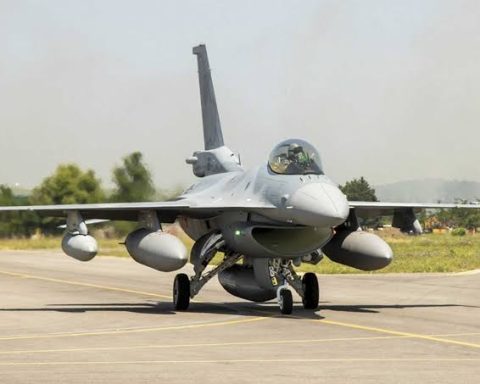
Prime Minister Sir Keir Starmer is reportedly exploring plans to accelerate the UK’s defence spending, potentially committing billions of pounds more than previously planned. Downing Street sources say the proposals aim to meet an existing target of 3% of gross domestic product (GDP) on core defence before the end of the current parliament, possibly bringing forward ambitions originally set for the next parliamentary term.
Sir Keir had pledged last year to raise spending to 2.5% of GDP by April 2027, with a longer-term goal of reaching 3%. Speaking at the Munich Security Conference over the weekend, he signalled urgency, saying: “To meet the wider threat, it’s clear that we are going to have to spend more, faster.”
The move comes amid rising global security concerns, particularly related to Russia, and after the Ministry of Defence (MOD) warned it would need an additional £28bn over the next four years to deliver existing plans. Chief of the Defence Staff Sir Richard Knighton told MPs in January that current budgets were insufficient to meet requirements at the desired pace.
Join our WhatsApp ChannelCosts, Funding and NATO Commitments
According to the Office for Budget Responsibility, reaching 3% of GDP by 2029–30 could cost the government an additional £17.3bn per year, although the Institute for Fiscal Studies estimates the figure at £13–14bn once planned increases are factored in. Last year, the UK spent about £66bn on defence, around 2.3% of GDP.
No final decision has been made, with Treasury officials reportedly cautious about the impact on public finances. Options under discussion include reallocating funds from overseas aid, net-zero initiatives, or major infrastructure projects, or increasing borrowing, though ministers are wary of upsetting fiscal rules or financial markets.
Meeting the accelerated target could also reinforce the UK’s role within NATO. Defence officials say the move would be welcomed by allies, including the United States. Foreign Secretary Yvette Cooper described the plans as “the largest sustained increase in defence spending since the Cold War,” adding that further investment would be required to strengthen the country’s security and international partnerships.
An MOD spokesperson declined to comment on speculation, noting only that the government is “delivering the largest sustained increase in defence spending since the Cold War, with an extra £5bn for defence this financial year alone.”
As geopolitical pressures grow, the debate now centres on whether the UK can afford to accelerate the increase in defence spending, and how it might pay for it without destabilising public finances.

Prosper Okoye is a Correspondent and Research Writer at Prime Business Africa, a Nigerian journalist with experience in development reporting, public affairs, and policy-focused storytelling across Africa