 Amanze Chinonye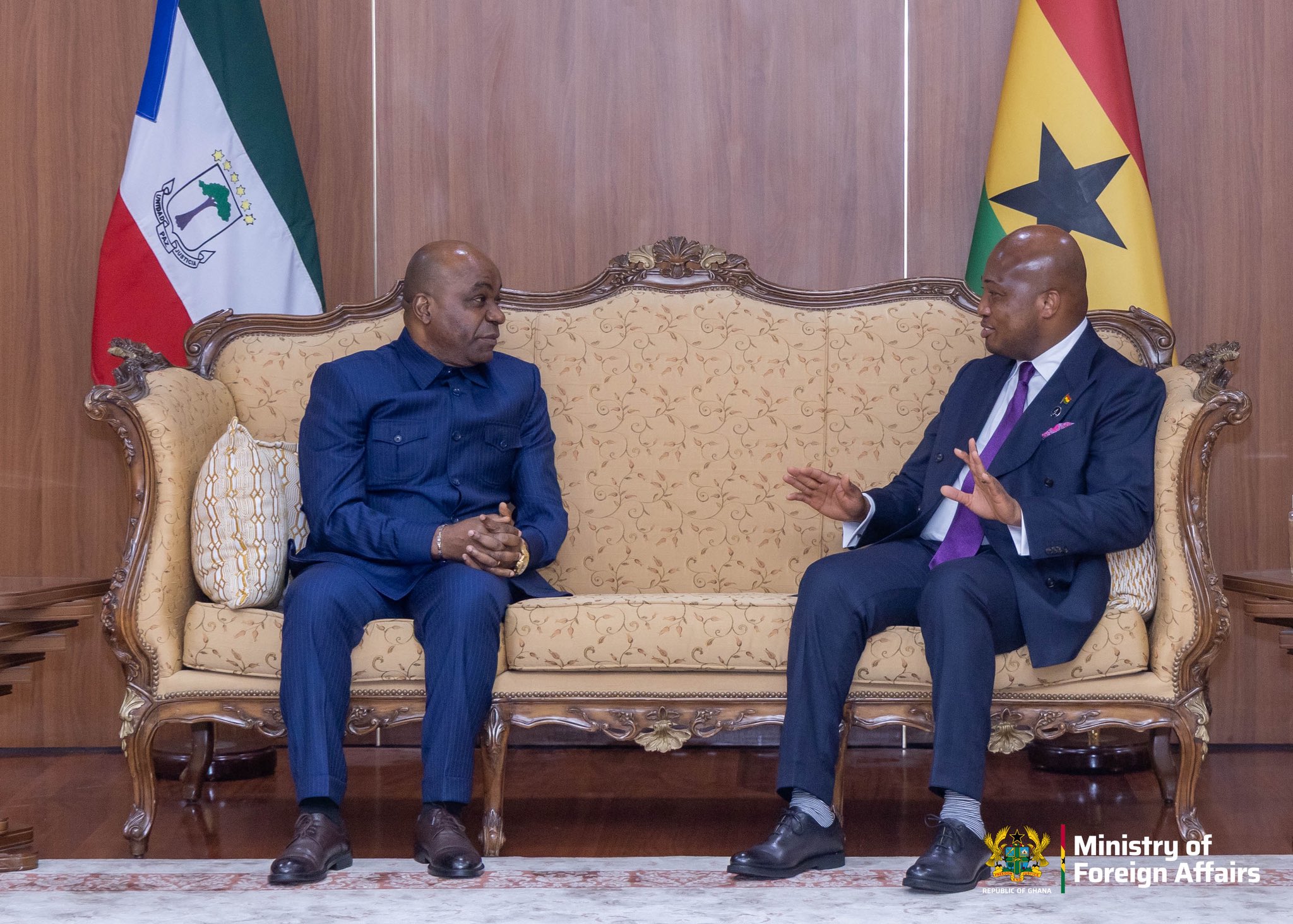
World leaders, senior government officials and ministers from more than 80 countries are in Accra for the Next Steps Conference on Reparatory Justice, which opened on Wednesday, 17 June 2026, under the auspices of President John Dramani Mahama, Prime Business Africa reports.
The three-day conference, scheduled to run until 19 June, has drawn heads of state and senior representatives from across Africa, the Caribbean and other regions, and is being described by organisers as a significant step in advancing global discussions on reparatory justice.
Join our WhatsApp ChannelREAD ALSO :
Attionu’s Extradition Opens Door for Ghana-US Talks on Ofori-Atta, Other Cases
Among those participating are leaders and senior officials from Senegal, Namibia, Liberia and São Tomé and Príncipe, as well as the Prime Minister of Barbados, the Vice Prime Minister of Equatorial Guinea, the Speaker of the Algerian Parliament and ministers representing more than 80 countries.
Photos :
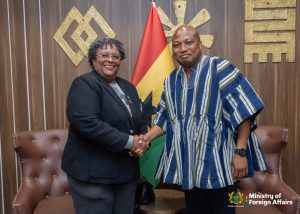
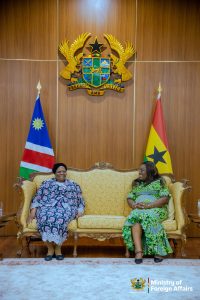
The gathering reflects expanding international engagement on the legacy of transatlantic slavery and broader calls for historical redress, with participation extending beyond traditional advocacy constituencies to include a wider cross-section of states.
The conference comes in the wake of the United Nations General Assembly’s adoption of Resolution A/RES/80/250 in March 2026, which recognised the transatlantic slave trade and racialised chattel enslavement as among the gravest crimes against humanity. The resolution, supported by 123 member states, has become a key reference point for ongoing global discussions on reparatory justice and related policy frameworks.
READ MORE :
Beyond Economic Reparation For Transatlantic Slave Trade [PBA Editorial]
Building on that development, the Accra meeting is focused on moving discussions from political recognition to practical implementation. Deliberations are expected to centre on the establishment of structured mechanisms for sustained international dialogue, legal and policy options for addressing historical injustices, and coordinated approaches to the restitution of cultural artefacts and heritage materials.
The significance of the conference lies in its attempt to convert growing diplomatic consensus into institutional pathways. While reparatory justice has long been the subject of advocacy and debate, the Accra process is positioning itself as part of a more structured effort to define how such claims could be pursued within existing international systems.
However, the extent to which the discussions translate into binding mechanisms or coordinated state action remains a key point of attention as the conference progresses.

Amanze Chinonye is a Staff Correspondent at Prime Business Africa, a rising star in the literary world, weaving captivating stories that transport readers to the vibrant landscapes of Nigeria and the rest of Africa. With a unique voice that blends with the newspaper's tradition and style, Chinonye's writing is a masterful exploration of the human condition, delving into themes of identity, culture, and social justice. Through her words, Chinonye paints vivid portraits of everyday African life, from the bustling markets of Nigeria's Lagos to the quiet villages of South Africa's countryside . With a keen eye for detail and a deep understanding of the complexities of Nigerian society, Chinonye's writing is both a testament to the country's rich cultural heritage and a powerful call to action for a brighter future. As a writer, Chinonye is a true storyteller, using her dexterity to educate, inspire, and uplift readers around the world.