 Amanze Chinonye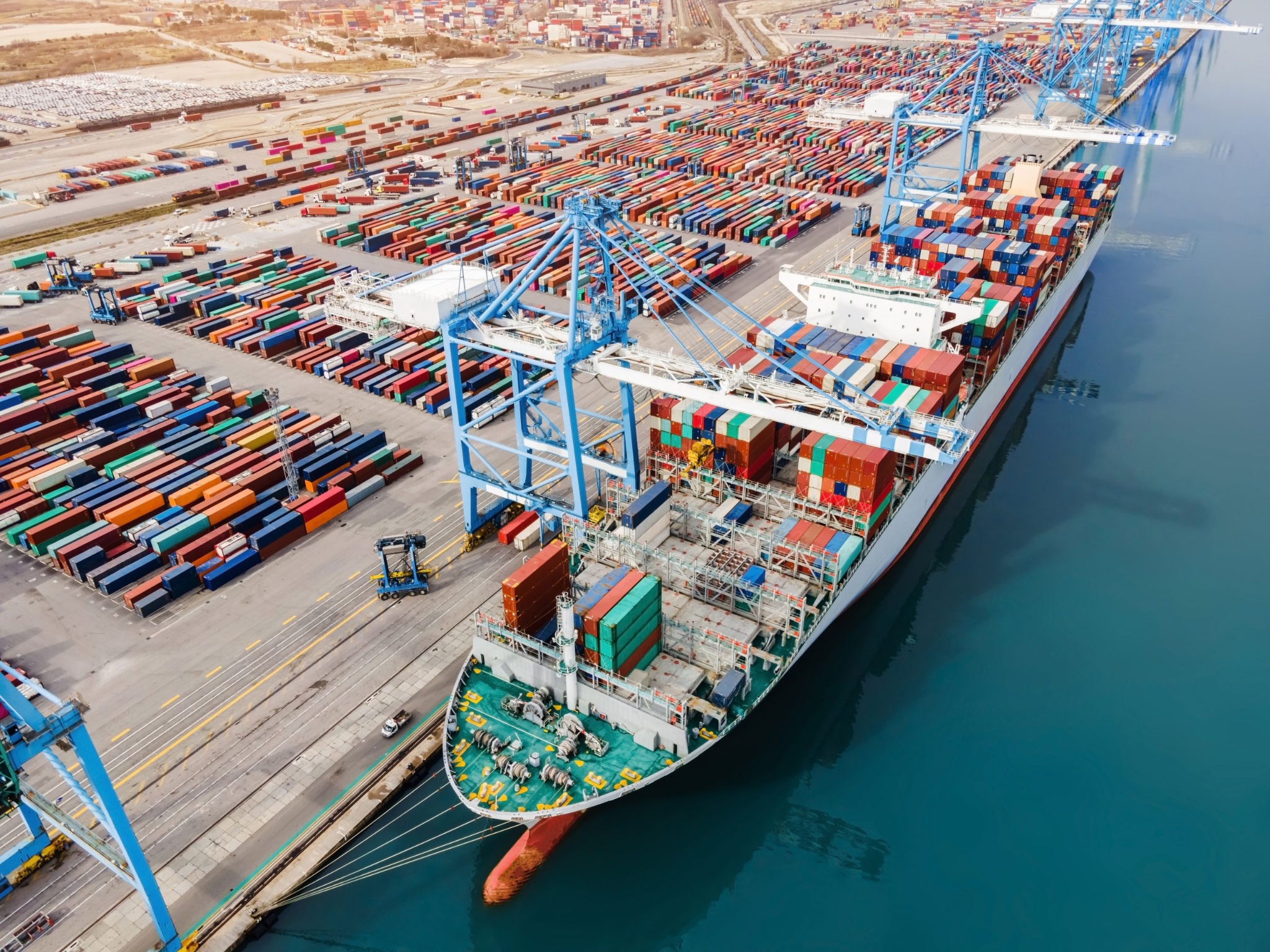
The Federal Government’s approval of certification and compliance processes for five proposed deep seaport projects is being driven by mounting concerns over Nigeria’s loss of cargo traffic, revenue and maritime influence to neighbouring African countries, Prime Business Africa reports.
Officials say more than 70 per cent of Nigerian-bound cargo is currently routed through ports in countries such as Benin Republic, Togo and Ghana before finding its way into the Nigerian market a situation authorities describe as a major economic setback for Africa’s largest economy.
The projects approved by the government include the Badagry Deep Sea Port in Lagos State, Olokola Deep Sea Port in Ondo State, Ibom Deep Sea Port in Akwa Ibom State, Bakassi Deep Sea Port in Cross River State, and Bonny Deep Sea Port in Rivers State. Managing Director of the Nigerian Ports Authority (NPA), Abubakar Dantsoho, disclosed the development during the recent meeting of the Port Management Association of West and Central Africa in Lagos.
Join our WhatsApp ChannelREAD ALSO :
Abia Approves Feasibility Study for Azumini-Obeaku Seaport Project
According to maritime authorities, Nigeria’s existing port infrastructure has struggled for years with congestion, shallow draught channels, ageing facilities, poor cargo handling capacity and delays that have pushed international shipping lines and importers toward neighbouring ports with faster turnaround times.
Industry experts warn that the trend has cost Nigeria billions of naira annually in customs revenue, shipping charges, port fees and associated business opportunities.
The government believes the new generation of deep seaports will help reverse the losses by enabling Nigeria to receive larger cargo vessels that currently avoid many local ports because of depth limitations.
READ MORE :
Lekki Deep Seaport Channel Dredging: Nigerians Berate FG Over Other Abandoned Ports
Officials also see the projects as critical to Nigeria’s ambition of becoming the leading maritime and transshipment hub in West and Central Africa, particularly as regional competition intensifies among coastal nations seeking dominance in shipping and logistics.
The Badagry Deep Sea Port is expected to reduce pressure on the overstretched Apapa and Tin Can ports in Lagos while serving trade activities along the Lagos-Abidjan corridor.
The Olokola Deep Sea Port is tied to broader industrialisation and export plans linked to the Olokola Free Trade Zone, while the Ibom Deep Sea Port is projected to support industrial and manufacturing expansion in the South-South region.
For the Bakassi Deep Sea Port, the Federal Government had earlier issued a Certificate of Compliance, with officials projecting the project could attract up to $3.5 billion in investment and open new maritime trade routes around the Gulf of Guinea.
The Bonny Deep Sea Port is expected to strengthen shipping and logistics operations within Nigeria’s oil and gas corridor in Rivers State and support offshore industrial activities in the Niger Delta.
READ ALSO :
Calls For Seaport Decentralisation Increase As Citizens Highlight Benefits To Economy
Minister of Marine and Blue Economy, Adegboyega Oyetola, recently said the government was prioritising deep seaport development as part of wider reforms aimed at modernising the maritime sector and unlocking opportunities within the blue economy.
The reforms also include digital cargo clearance systems, port modernisation projects, channel deepening and the implementation of the National Single Window platform to improve efficiency at the nation’s ports.
Analysts, however, caution that while the projects could significantly transform Nigeria’s maritime sector, financing, infrastructure delivery and implementation delays remain key challenges that have stalled several port projects in the past.
Still, stakeholders say the push for deep seaports has become increasingly urgent as Nigeria seeks to stop the steady migration of cargo business and the economic benefits attached to it to rival ports across West Africa.

Amanze Chinonye is a Staff Correspondent at Prime Business Africa, a rising star in the literary world, weaving captivating stories that transport readers to the vibrant landscapes of Nigeria and the rest of Africa. With a unique voice that blends with the newspaper's tradition and style, Chinonye's writing is a masterful exploration of the human condition, delving into themes of identity, culture, and social justice. Through her words, Chinonye paints vivid portraits of everyday African life, from the bustling markets of Nigeria's Lagos to the quiet villages of South Africa's countryside . With a keen eye for detail and a deep understanding of the complexities of Nigerian society, Chinonye's writing is both a testament to the country's rich cultural heritage and a powerful call to action for a brighter future. As a writer, Chinonye is a true storyteller, using her dexterity to educate, inspire, and uplift readers around the world.