Rising GDP Growth: Caution Advised
Investment and advisory firm, Comercio Partners, has urged Nigerians to be cautious despite the rising Gross Domestic Product (GDP) growth rate. The firm warned that the economic expansion highlighted in the latest GDP report might not necessarily lead to better living standards for the average Nigerian.
Comercio Partners voiced their concerns in response to the Gross Domestic Product (GDP) report released by the National Bureau of Statistics (NBS) yesterday. The report showed Nigeria’s GDP grew by 3.19% in the second quarter of 2024, largely driven by an increase in crude oil output.
Join our WhatsApp ChannelThe Disconnect Between GDP Growth and Living Standards
While the GDP growth seems like positive news, the firm warns that Nigeria’s economy might be experiencing what is known as ‘immiserizing growth.’ This term describes a situation where an increase in GDP growth does not translate into improved living standards for the population.
“The current economic situation is worrisome,” a spokesperson from Comercio Partners stated. “We see rising GDP growth, but the benefits may be elusive for many Nigerians due to factors like high inflation and restrictive interest rates.”
READ ALSO: Equity Market Sees Renewed Optimism Amid Positive GDP Growth
Inflation and High-Interest Rates Dampen Gains
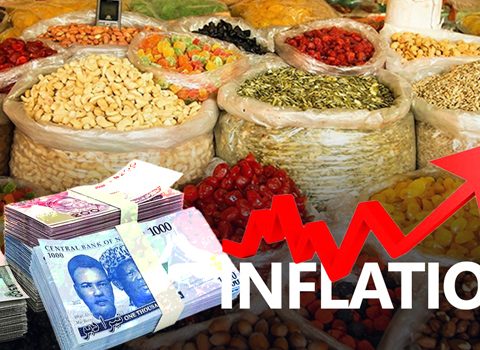
One of the main reasons GDP growth may not improve living standards is the high inflation rate, which currently stands at over 33%. Combined with a high-interest rate environment—currently at 26.75%—these factors significantly erode the potential benefits of economic growth for ordinary Nigerians.
According to Comercio Partners, “Applying Hanke’s Misery Index to the current situation, Nigeria’s score is a staggering 61.96%. This figure highlights the intense pressures faced by the population despite the reported economic gains.”
Sector-Specific Challenges Threaten Growth
While the GDP growth in Q2 2024 signals cautious optimism, the firm warns that sustained expansion depends on addressing sector-specific challenges. The energy sector, for example, presents a mixed picture. Although oil production increased from Q2 2023 to Q2 2024, the decline from Q1 2024 indicates ongoing challenges that could threaten future growth.
“The GDP growth seen in Q2 2024 is promising, but it’s crucial to stabilize key growth drivers and address the challenges within sectors like agriculture and manufacturing,” the report stated.
Concerns Over Non-Oil Sector Slowdown
Comercio Partners also expressed concern over the slowdown in non-oil sector growth, especially in manufacturing and agriculture, compared to Q2 2023. This slowdown could expose the economy to vulnerabilities, making it essential to focus on these sectors to ensure balanced and inclusive economic growth.
The report emphasized the importance of maintaining momentum in the services sector and continuing the recovery in the industry sector to support sustained GDP growth.
A Closer Look at Nigeria’s Economic Growth
The NBS report showed that Nigeria’s economy expanded by 3.19% year-on-year in real terms during the second quarter of 2024. This growth surpassed the 2.51% growth recorded in the same quarter of 2023 and the 2.98% growth observed in the first quarter of 2024.
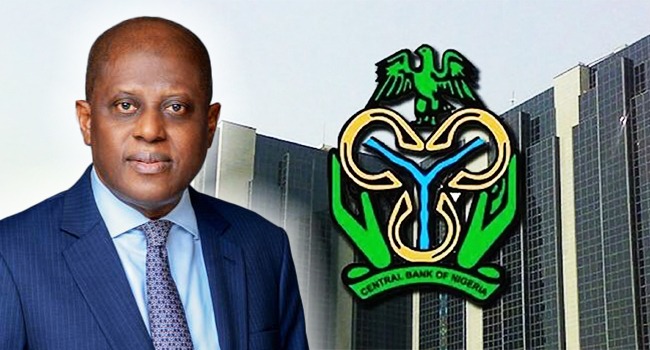
However, this economic growth contrasts sharply with the macroeconomic realities facing the nation. The elevated cost of living, driven by a weakened naira now trading at N1600/$ on the official market, has made life increasingly difficult for many Nigerians. Additionally, the Central Bank of Nigeria (CBN) has hiked interest rates by 800 basis points since February this year, making it more expensive for businesses to access capital.
The Way Forward
To ensure that GDP growth translates into better living standards, Comercio Partners recommends a comprehensive approach that addresses the current economic challenges. This includes stabilizing inflation, lowering interest rates, and supporting key sectors like agriculture and manufacturing.
“In the end, GDP growth alone is not enough,” the spokesperson concluded. “It must be accompanied by policies that directly improve the well-being of all Nigerians.”

Emmanuel Ochayi is a journalist. He is a graduate of the University of Lagos, School of first choice and the nations pride. Emmanuel is keen on exploring writing angles in different areas, including Business, climate change, politics, Education, and others.