 Amanze Chinonye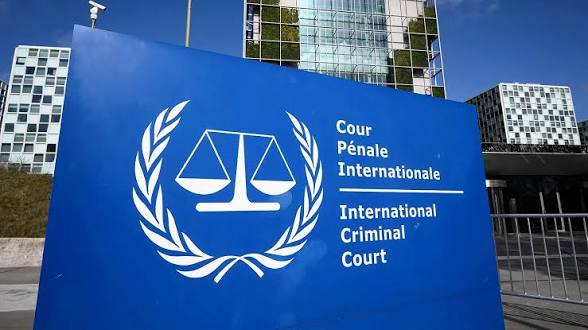
The United States imposed sanctions on the International Criminal Court on Friday, escalating its confrontation with the tribunal just hours after former ICC judge Navi Pillay was awarded the Nobel Peace Prize for her work in international justice.
Join our WhatsApp Channel
The sanctions, announced by President Donald Trump’s administration, target the court as an institution and could disrupt its access to banking, insurance, software and other essential services. The ICC condemned the move, describing it as an attack on the international legal order and an attempt to obstruct its work.
READ ALSO :
Mali, Burkina Faso, Niger’s Withdrawal Won’t Affect ICC Investigations – Amnesty
U.S. Secretary of State Marco Rubio said the sanctions were intended to prevent the court from pursuing Americans and restrict its ability to operate. Washington has opposed the ICC’s arrest warrants for Israeli officials, including Prime Minister Benjamin Netanyahu, and its investigation into alleged crimes by U.S. personnel in Afghanistan.
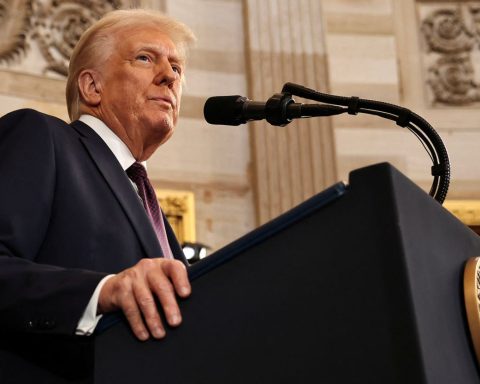
“President Trump will never allow the International Criminal Court to prosecute Americans,” Rubio said, adding that the sanctions were designed to give the court and its member states time to address U.S. concerns.
The U.S. Treasury announced an initial six-month grace period and exemptions for certain transactions involving telecommunications, software, pension payments and detainees. Rubio said the measures could be adjusted if Washington’s demands were not met.
The ICC said the sanctions followed earlier measures against 13 of its judges and prosecutors and were intended to disrupt the court’s operations and intimidate those working with it.
ICC President Tomoko Akane said the tribunal would continue to fulfil its mandate independently and impartially, basing its work on the law and evidence.
“The Court cannot stand alone. Its fate now rests also in the hands of the States that created it,” the ICC said in a statement, urging member states to take concrete steps to ensure it had the resources to continue its work.
According to Reuters, Deputy Prosecutor Nazhat Shameem Khan the sanctions would not halt the court’s investigations and prosecutions.
“The sanctions are intended to undermine the rule of law internationally and the work that an independent judicial institution is doing,” Khan said.
The United States has never ratified the Rome Statute, the treaty that established the ICC in 2002 to prosecute individuals for genocide, crimes against humanity, war crimes and the crime of aggression. The court can exercise jurisdiction over certain alleged crimes committed on the territory of member states, even when suspects are nationals of countries outside the treaty.
The sanctions have raised concerns among Washington’s European allies, many of which belong to the court. European Union foreign policy chief Kaja Kallas said the six-month period offered an opportunity for dialogue, while warning that the bloc had options to ensure the ICC could continue its work. Belgium’s foreign minister called for the activation of an EU blocking statute to protect the tribunal.
Pillay’s Nobel Peace Prize was announced hours before the sanctions. The South African jurist served on the ICC’s Appeals Chamber from 2003 to 2008 and has held other senior international legal positions.
READ MORE :
Three Scientists Receive 2024 Nobel Prize In Chemistry For Breakthroughs In Protein Design
The Nobel committee said the award highlighted the importance of international tribunals at a time when judges and institutions of international law were facing political attacks. It said holding war criminals accountable and securing justice for victims were essential to a peaceful world.
The Trump administration imposed sanctions on ICC officials during his first term, but President Joe Biden later rescinded those measures. Washington announced new sanctions against court personnel shortly after Trump returned to office in January 2025.
The ICC has issued arrest warrants against dozens of people accused of involvement in international crimes, including Russian President Vladimir Putin and Netanyahu. It has also sought the arrest of Hamas figures. Cases against Kenyan President William Ruto and former President Uhuru Kenyatta were withdrawn.
The latest measures mark a further escalation in Washington’s campaign against a court whose supporters argue that it provides a mechanism for holding individuals accountable for atrocities when national courts are unable or unwilling to act.

Amanze Chinonye is a Staff Correspondent at Prime Business Africa, a rising star in the literary world, weaving captivating stories that transport readers to the vibrant landscapes of Nigeria and the rest of Africa. With a unique voice that blends with the newspaper's tradition and style, Chinonye's writing is a masterful exploration of the human condition, delving into themes of identity, culture, and social justice. Through her words, Chinonye paints vivid portraits of everyday African life, from the bustling markets of Nigeria's Lagos to the quiet villages of South Africa's countryside . With a keen eye for detail and a deep understanding of the complexities of Nigerian society, Chinonye's writing is both a testament to the country's rich cultural heritage and a powerful call to action for a brighter future. As a writer, Chinonye is a true storyteller, using her dexterity to educate, inspire, and uplift readers around the world.