 Amanze Chinonye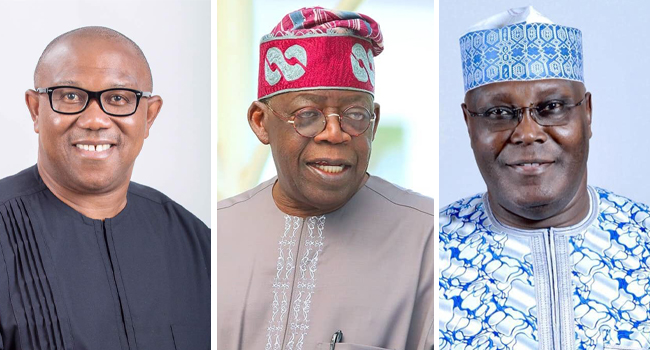
Nigerian President Bola Ahmed Tinubu said on Thursday that the country had emerged from a difficult period of economic reforms and was entering an era of prosperity, while opposition presidential candidates Atiku Abubakar and Peter Obi used the 66th independence anniversary to challenge the government’s assessment of the economy and the living conditions of Nigerians, Prime Business Africa reports.
Join our WhatsApp Channel
In a nationally televised address, Tinubu defended reforms introduced since he took office in 2023, including the removal of petrol subsidies and changes to the foreign-exchange regime, saying they had stabilised the economy after years of mounting pressures. He said the economy was growing by more than 4% in 2026, inflation had fallen substantially from its peak, foreign reserves had been rebuilt and the foreign-exchange market had stabilised. He also cited non-oil exports of more than $6 billion in 2025 as evidence of improving economic diversification.
READ ALSO :
October 1: Nigeria Has Passed Through Its Own Red Sea, Prosperity Is Next – Tinubu
Tinubu said the next phase was to translate greater macroeconomic stability into lower production and distribution costs, more jobs and improved household welfare. His government would expand agricultural production, irrigation, storage and transport infrastructure, while supporting industrial activity, digital connectivity, consumer credit and social programmes for poorer households. He acknowledged that millions of Nigerians were still struggling with food, school fees, healthcare and transport costs, but said the problems had accumulated over decades and could not be eliminated within a single four-year term.
Atiku, the African Democratic Congress presidential candidate, disputed the president’s portrayal of the economy, arguing that lower inflation or economic growth had not restored Nigerians’ purchasing power. He said the removal of the petrol subsidy had increased the cost burden on households and questioned where the promised benefits of the reform had reached ordinary Nigerians.
Atiku proposed a targeted, budgeted production subsidy for petrol refined in Nigeria, including by modular refineries, with payments and costs published and independently audited. He also raised concerns over public borrowing, citing government debt of N166.79 trillion at the end of June 2026, and called for greater disclosure of the projects and beneficiaries behind new borrowing. He challenged the government to publish details of its promised reduction in transport fares, including routes, old and new fares and the number of beneficiaries.
READ MORE :
October 1 : Nigeria’s Vast Resources have Failed to Translate into Prosperity – Obi
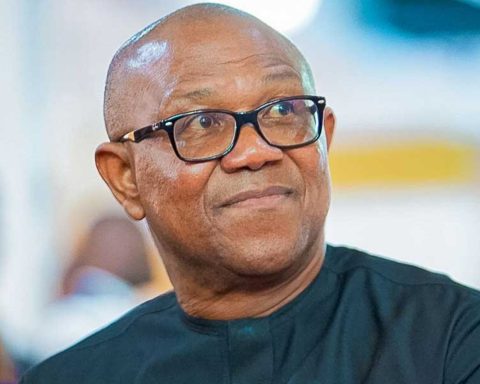
Obi, the Nigeria Democratic Congress presidential candidate, focused on poverty, insecurity and human development, saying the country’s abundant natural and human resources had not translated into broad-based prosperity. He cited what he described as widespread poverty, more than 18 million out-of-school children, insecurity, youth unemployment and food insecurity, while pointing to conditions at an internally displaced persons camp in Sokoto as evidence of the hardship facing vulnerable Nigerians.
Obi said his government would make public administration measurable and accountable, prioritising security, education, healthcare, agriculture, manufacturing and job creation. He called for a shift from a consumption-driven economy towards productive activity, promising to return farmers to their fields, children to school and displaced people to their communities.
The competing Independence Day messages framed the widening political debate ahead of the 2027 election around different measures of economic recovery: Tinubu emphasised macroeconomic stabilisation and the transition to growth, while Atiku focused on household purchasing power, fuel costs and fiscal accountability, and Obi placed greater emphasis on poverty, security and human development.

Amanze Chinonye is a Staff Correspondent at Prime Business Africa, a rising star in the literary world, weaving captivating stories that transport readers to the vibrant landscapes of Nigeria and the rest of Africa. With a unique voice that blends with the newspaper's tradition and style, Chinonye's writing is a masterful exploration of the human condition, delving into themes of identity, culture, and social justice. Through her words, Chinonye paints vivid portraits of everyday African life, from the bustling markets of Nigeria's Lagos to the quiet villages of South Africa's countryside . With a keen eye for detail and a deep understanding of the complexities of Nigerian society, Chinonye's writing is both a testament to the country's rich cultural heritage and a powerful call to action for a brighter future. As a writer, Chinonye is a true storyteller, using her dexterity to educate, inspire, and uplift readers around the world.