 Amanze Chinonye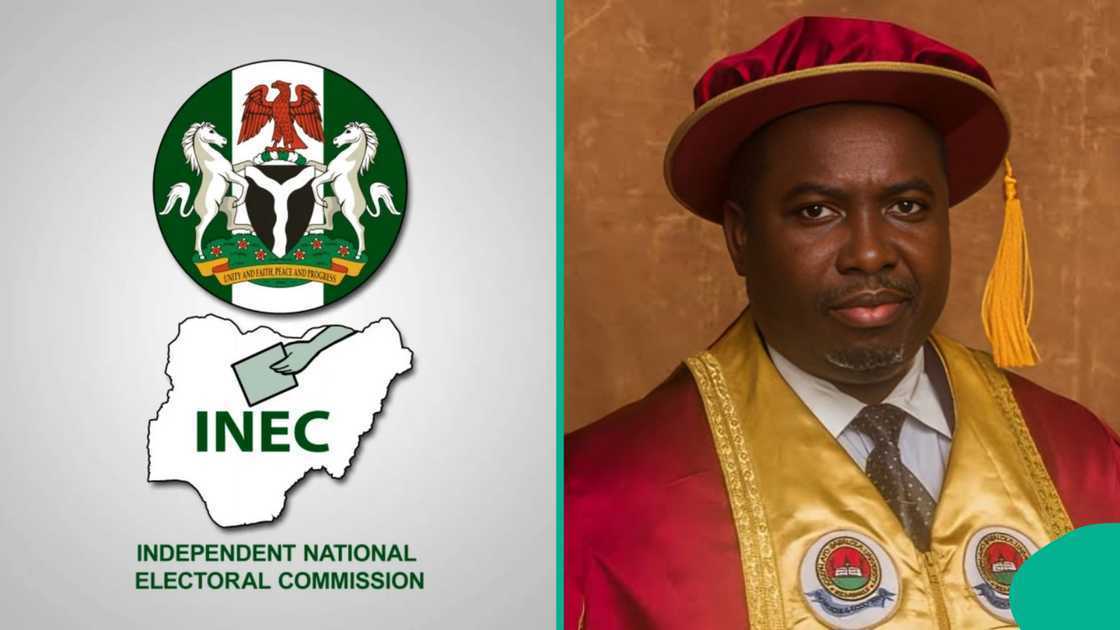
The Socio-Economic Rights and Accountability Project (SERAP) has urged Nigeria’s electoral commission to disclose whether it has imposed limits on political donations and publish details of how it plans to monitor campaign financing ahead of the 2027 general elections, Prime Business Africa reports.
In a Freedom of Information request dated Aug. 22 and signed by SERAP Deputy Director Kolawole Oluwadare, the organisation urged Independent National Electoral Commission (INEC) Chairman Joash Amupitan to disclose any contribution limits prescribed under Section 91 of the Electoral Act 2026 and explain how the commission intends to enforce them.
Join our WhatsApp ChannelREAD ALSO :
SERAP Calls for Probe Into Vote-Buying, Violence in Osun Election, Seeks AU, UN Scrutiny
SERAP also asked INEC to publish its systems, procedures and personnel arrangements for monitoring political financing, including cash and in-kind contributions, digital and social-media advertising, third-party expenditure and donations channelled through intermediaries.
The organisation said greater transparency in political financing was necessary to promote a level playing field and enable voters to make informed choices.
“INEC’s constitutional responsibility is not simply to receive financial statements from political parties,” SERAP said, adding that the commission was required to examine party finances, conduct necessary investigations and report to the National Assembly.
SERAP called on INEC to publish the latest financial statements, audited accounts and election expenditure returns submitted by political parties for 2023 to 2025. It also asked the commission to publish its examination and audit reports under Sections 225 and 226 of the Constitution, including annual reports submitted to the National Assembly during the period.
The organisation further asked INEC to disclose enforcement actions taken over political-finance and expenditure violations and identify parties that submitted reports of contributions received following the 2023 general elections. It also sought the dates of submission and details of action taken against parties that failed to meet statutory deadlines.
Section 91(1) of the Electoral Act 2026 gives INEC the power to limit the amount of money or other assets an individual may contribute to a political party or candidate and to require information on the amount donated and the source of funds.
READ MORE :
SERAP Sets Asset Disclosure, Vote-Buying Test for 2027 Presidential Candidates
SERAP said INEC should disclose whether it had exercised that power, the criteria used to determine any limits and the measures it had put in place to prevent political actors from circumventing the restrictions.
The organisation also urged INEC to publish its 2027 political-finance monitoring plan, including arrangements for real-time or near-real-time monitoring and cooperation with anti-corruption agencies, financial-intelligence authorities, regulators and law-enforcement bodies.
Political parties, candidates and their supporters are already mobilising resources, organising political activities and purchasing traditional and digital advertising ahead of the elections, SERAP said.
The group said Nigeria had long faced challenges in regulating political finance, including excessive campaign spending, opaque sources of political funding, weak disclosure requirements and limited enforcement of statutory spending and contribution rules.
It said effective monitoring was needed to identify excessive, undisclosed or potentially illicit political financing before it could distort electoral competition, rather than only after votes had been cast.
SERAP gave INEC seven days from the receipt or publication of its request to provide the information, warning that it would take legal action if the commission failed to comply.
Nigeria is scheduled to hold its next general elections in 2027, with INEC already undertaking preparations for the polls.

Amanze Chinonye is a Staff Correspondent at Prime Business Africa, a rising star in the literary world, weaving captivating stories that transport readers to the vibrant landscapes of Nigeria and the rest of Africa. With a unique voice that blends with the newspaper's tradition and style, Chinonye's writing is a masterful exploration of the human condition, delving into themes of identity, culture, and social justice. Through her words, Chinonye paints vivid portraits of everyday African life, from the bustling markets of Nigeria's Lagos to the quiet villages of South Africa's countryside . With a keen eye for detail and a deep understanding of the complexities of Nigerian society, Chinonye's writing is both a testament to the country's rich cultural heritage and a powerful call to action for a brighter future. As a writer, Chinonye is a true storyteller, using her dexterity to educate, inspire, and uplift readers around the world.