 Amanze Chinonye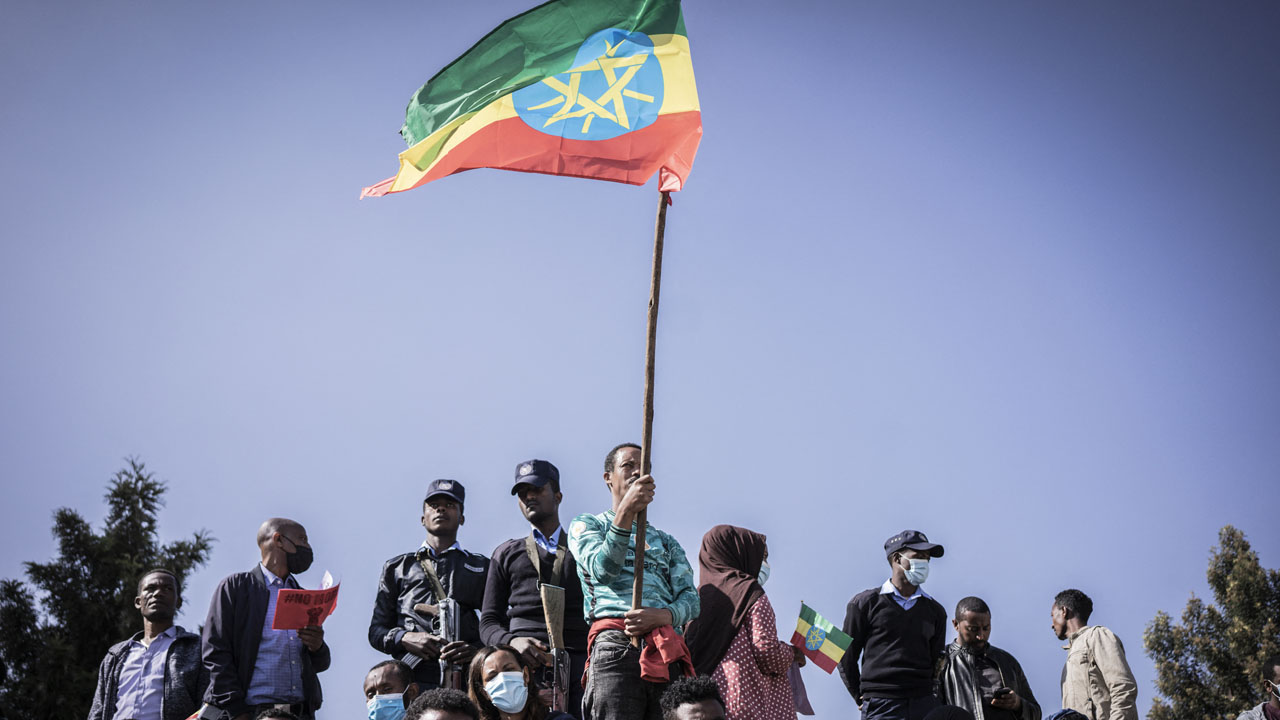
The United States has advised its citizens to reconsider travel to Ethiopia, citing risks including armed conflict, unrest, terrorism, kidnapping and crime, and warning that communications could be disrupted during periods of instability.
Join our WhatsApp Channel
The U.S. State Department, in a travel advisory dated Aug. 27 and a security alert issued by its embassy in Addis Ababa on Oct. 7, kept Ethiopia at Level 3, or “Reconsider Travel”, while placing several regions and border areas under its highest-risk Level 4, or “Do Not Travel”, designation.
READ ALSO :
Canada Flags Methanol Risk in Nigeria Travel Advisory After 48 Deaths
The United States advised against travel to Tigray, Amhara, Gambella and Benishangul-Gumuz regions, most of Oromia and parts of Afar, Central Ethiopia, South Ethiopia, Southwest Ethiopia and Somali regions. It also warned against travel to areas along the borders with Eritrea, Somalia, Sudan, South Sudan and Kenya because of risks including armed conflict, terrorism, kidnapping, unrest and landmines.
The State Department said the security situation in Addis Ababa was stable but warned that violent unrest and armed conflict could occur outside the capital and that conditions could deteriorate without warning.
Internet, cellular data and telephone services are often restricted or shut down before, during and after unrest, the advisory said. Such disruptions could limit the U.S. embassy’s ability to communicate with American citizens and delay consular services.
The advisory also highlighted Ethiopia’s strict enforcement of immigration rules, including fines and exit bans for visa overstays. Foreign nationals who overstay their visas can face a daily fine of $30 and an additional penalty of up to $3,000, with the fines required to be settled before an exit visa is issued.
READ MORE :
Ghana Activates Visa-Free Travel to Maldives, Zambia, Antigua and Barbuda
Criminal and terrorist groups have targeted foreigners for kidnapping, with the highest risks identified in Gambella, Benishangul-Gumuz and areas near the borders with Somalia, Sudan and South Sudan.
Landmines and unexploded ordnance also exist in parts of the Somali region near the border with Somalia, the State Department said.
It urged Americans travelling to Ethiopia to monitor local media, remain alert, carry copies of their passports and visas and maintain evacuation plans that do not depend on U.S. government assistance.

Amanze Chinonye is a Staff Correspondent at Prime Business Africa, a rising star in the literary world, weaving captivating stories that transport readers to the vibrant landscapes of Nigeria and the rest of Africa. With a unique voice that blends with the newspaper's tradition and style, Chinonye's writing is a masterful exploration of the human condition, delving into themes of identity, culture, and social justice. Through her words, Chinonye paints vivid portraits of everyday African life, from the bustling markets of Nigeria's Lagos to the quiet villages of South Africa's countryside . With a keen eye for detail and a deep understanding of the complexities of Nigerian society, Chinonye's writing is both a testament to the country's rich cultural heritage and a powerful call to action for a brighter future. As a writer, Chinonye is a true storyteller, using her dexterity to educate, inspire, and uplift readers around the world.