 Amanze Chinonye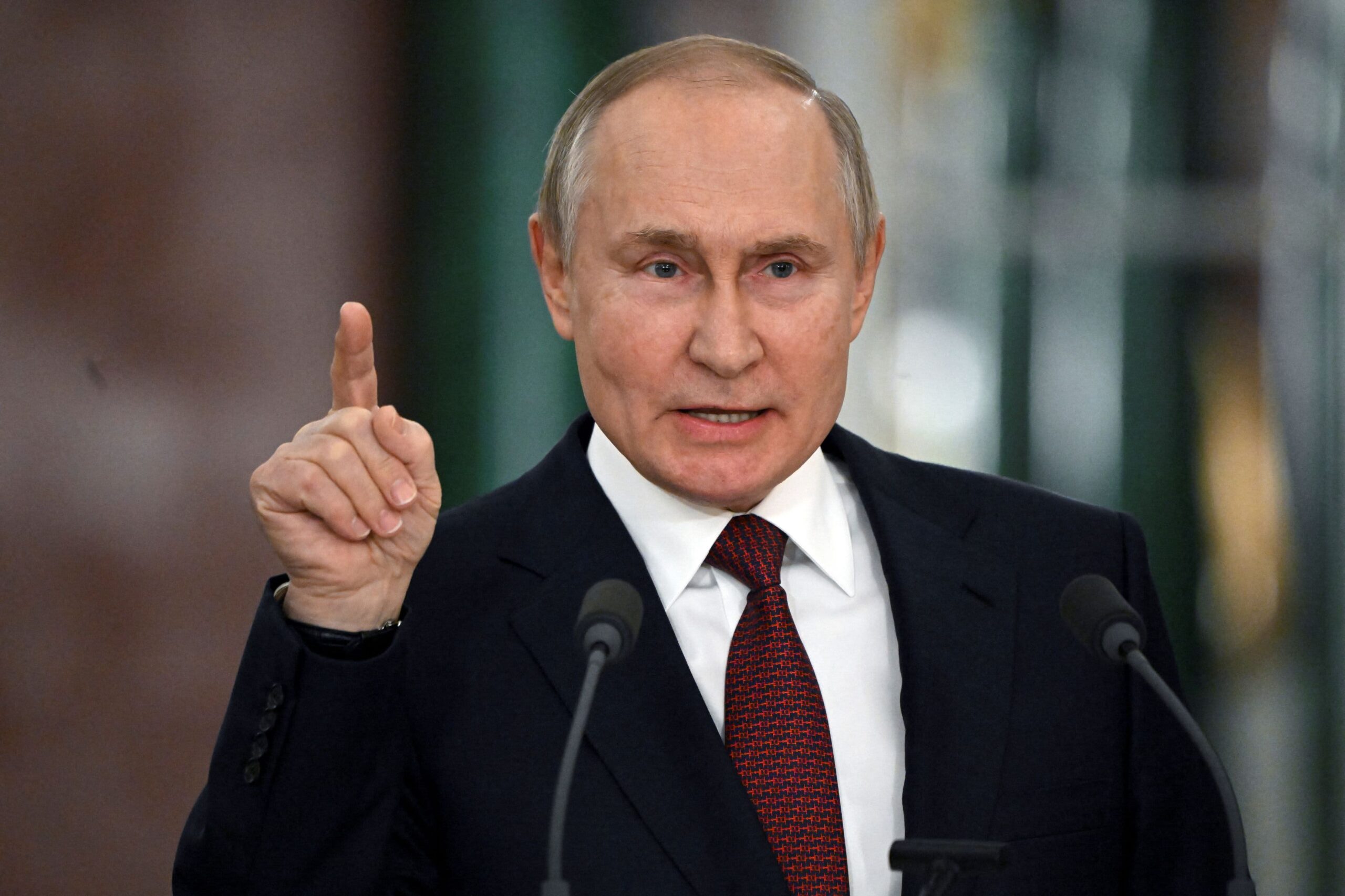
Russia has rejected Japan’s protest over President Vladimir Putin’s visit to Iturup Island, intensifying a long-running territorial dispute and further straining relations between the two countries.
Join our WhatsApp Channel
Putin visited Iturup, known as Etorofu in Japan, on Thursday in his first trip to the disputed southern Kuril Islands. He toured a fish-processing facility, a hospital and a school and met local officials and residents, according to Russian state media.
READ ALSO :
Japan Ensures Energy, Critical Supply Stability Amid Middle East Crisis – PM Takaichi
The visit prompted a strong response from Japanese Prime Minister Sanae Takaichi, who said Tokyo had repeatedly urged Moscow not to allow Putin to visit the disputed islands after the Russian president said in January 2024 that he intended to travel to the Northern Territories.
Takaichi said Japan “strongly protests” Putin’s visit, maintaining that the Northern Territories are inherently Japanese territory both historically and under international law.
She described the visit as “absolutely unacceptable” and said it had hurt the feelings of the Japanese people.
Takaichi also warned that the move could have longer-term diplomatic consequences, saying it had further hardened anti-Russian sentiment in Japan and made the restoration of bilateral relations more difficult in the medium to long term.
Japan’s Foreign Minister Toshimitsu Motegi separately summoned Russia’s ambassador and lodged a formal protest, reiterating Tokyo’s claim to the four disputed islands.
Moscow rejected the protest, reaffirming its position that the islands are Russian territory. Russian officials have dismissed Japan’s objections and argued that Putin’s visit was an exercise of Russia’s sovereign authority.
Former Russian president and current Security Council Deputy Chairman Dmitry Medvedev also took a hard line, saying the islands were and would remain Russian territory and warning of severe consequences for those who challenged Moscow’s position.
The dispute centres on four islands – Iturup, Kunashir, Shikotan and the Habomai Islands which Japan collectively calls the Northern Territories and Russia administers as part of the southern Kurils. The Soviet Union seized the islands in the final days of World War II, and their status has remained a major source of tension between the two countries.
READ MORE :
The territorial dispute has also prevented Japan and Russia from concluding a formal post-World War II peace treaty. Relations deteriorated further after Russia launched its full-scale invasion of Ukraine in 2022, prompting Japan to join Western sanctions against Moscow.
Putin’s visit came shortly before Japan’s annual August 15 commemoration marking the end of World War II, adding sensitivity to the confrontation. The timing also underscored the historical dimension of a dispute rooted in the final days of the war.
Tokyo is now considering possible countermeasures following the visit, with tougher sanctions against Russia among the options reportedly under consideration. Any additional measures would risk further narrowing the already limited diplomatic space between the two countries.
The latest exchange underscores the depth of the territorial disagreement, with Tokyo reaffirming its claim to the islands and Moscow maintaining that its sovereignty over them is settled.
Putin’s visit is therefore likely to further complicate any effort to improve bilateral relations or revive negotiations towards a formal peace treaty.

Amanze Chinonye is a Staff Correspondent at Prime Business Africa, a rising star in the literary world, weaving captivating stories that transport readers to the vibrant landscapes of Nigeria and the rest of Africa. With a unique voice that blends with the newspaper's tradition and style, Chinonye's writing is a masterful exploration of the human condition, delving into themes of identity, culture, and social justice. Through her words, Chinonye paints vivid portraits of everyday African life, from the bustling markets of Nigeria's Lagos to the quiet villages of South Africa's countryside . With a keen eye for detail and a deep understanding of the complexities of Nigerian society, Chinonye's writing is both a testament to the country's rich cultural heritage and a powerful call to action for a brighter future. As a writer, Chinonye is a true storyteller, using her dexterity to educate, inspire, and uplift readers around the world.