 Amanze Chinonye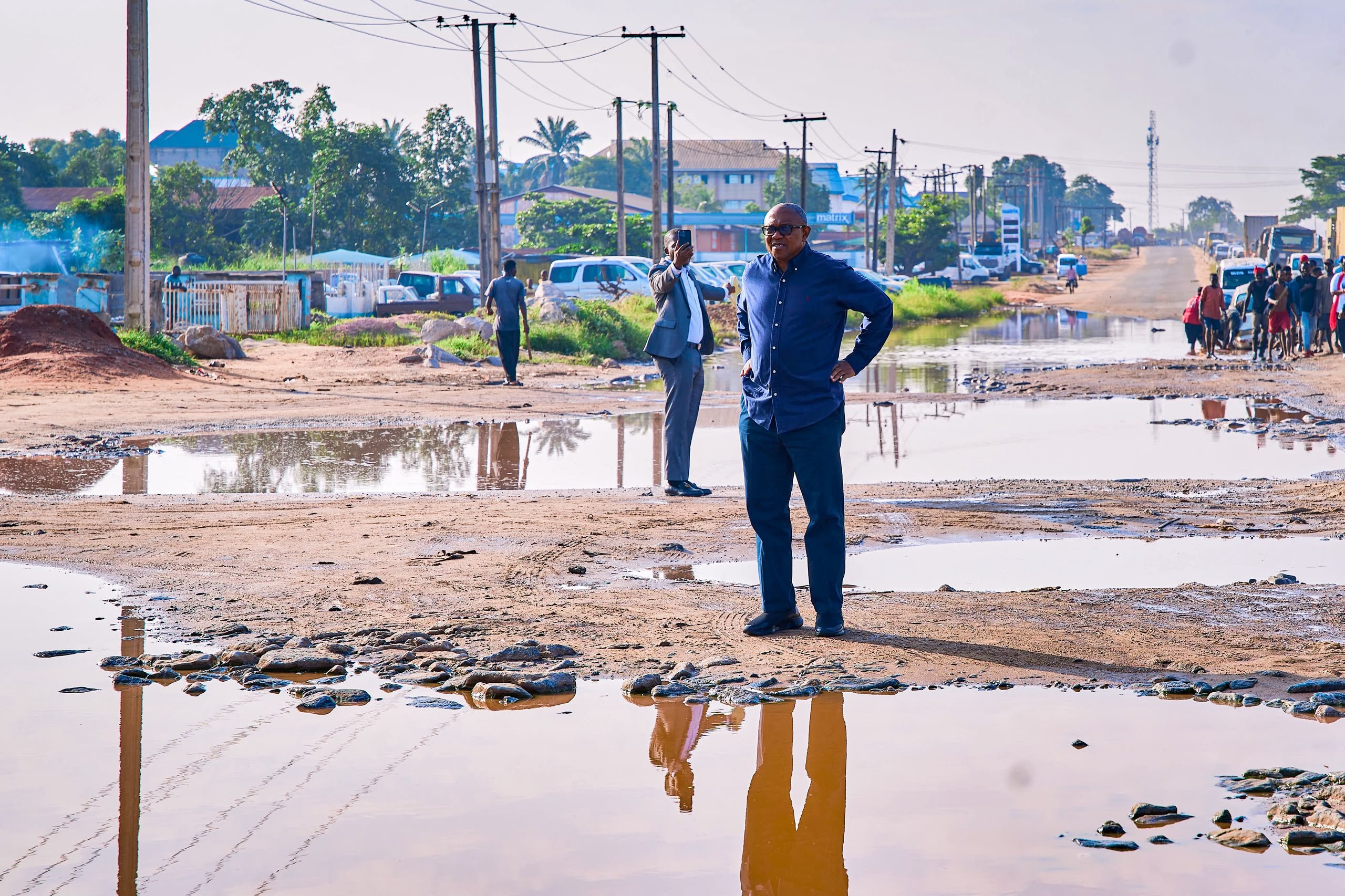
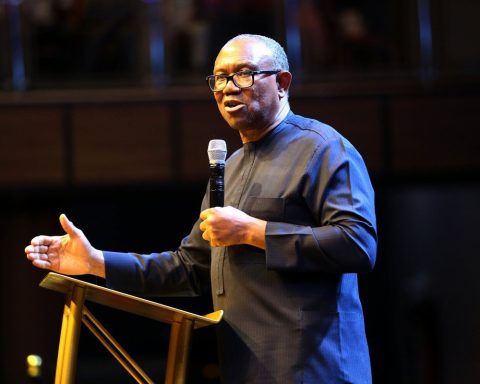
Presidential candidate of the NDC, Peter Obi, has called on the Federal Government to suspend the initiation of new road construction projects and channel resources towards rehabilitating Nigeria’s existing federal road network, arguing that the approach would deliver greater economic and social benefits, Prime Business Africa reports.
In a statement on Monday, Obi said the country’s immediate infrastructure priority should be the reconstruction and maintenance of critical federal highways already in a state of disrepair, rather than embarking on new road projects or dualisation schemes that, in his view, offer limited value under current conditions.
Join our WhatsApp ChannelHe cited the Asaba–Benin Road, a major federal highway, as a prime example of the urgent intervention required.
READ ALSO :
Nigeria Secures $1.126bn for Lagos-Calabar Coastal Highway Phase 1, Section 2
According to him, the corridor serves as a strategic gateway linking several states in the South-South and South-East to Lagos, making it one of the country’s most important economic and transportation routes.
Obi noted that commuters and transport operators travelling from Akwa Ibom, Anambra, Rivers, Imo, Ebonyi, Cross River, Abia, Enugu, and parts of Benue and Kogi States depend heavily on the highway to access Nigeria’s commercial capital.
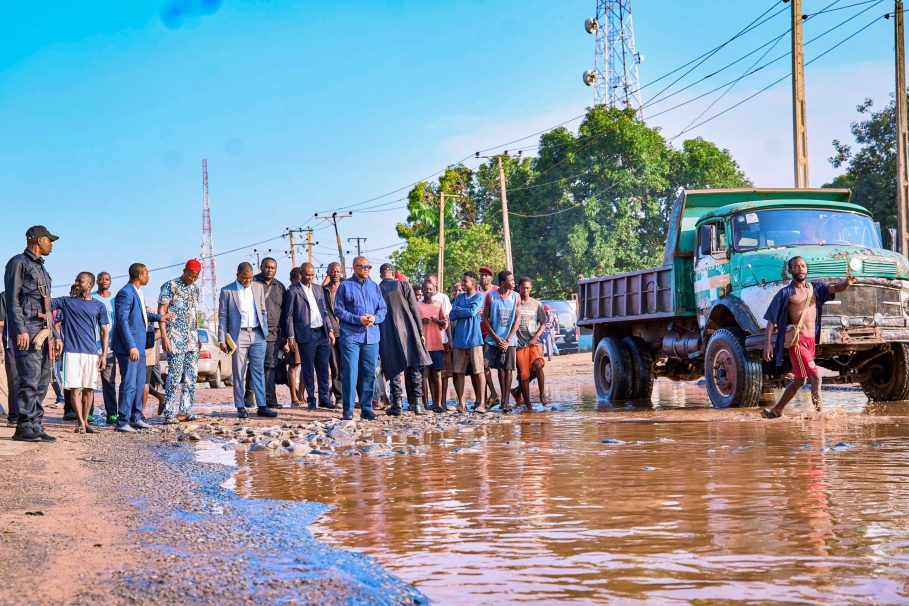
He lamented that substantial sections of the road have deteriorated, resulting in chronic traffic congestion, longer travel times, higher transportation costs, and avoidable hardship for commuters, businesses and logistics operators. He warned that the poor state of the corridor continues to undermine economic activities and the efficient movement of people and goods across the region.
READ MORE :
Facts About The Legacy Second Niger Bridge Project Execution
The former Anambra State governor said the situation on the Asaba–Benin Road reflects the condition of many of Nigeria’s busiest federal highways, stressing that fixing these strategic corridors would have a more immediate impact on national productivity than announcing new infrastructure projects.
He maintained that public infrastructure policy should be driven by functionality rather than political visibility, insisting that Nigerians need safe and motorable roads capable of supporting economic growth.
“Efforts aimed at superficial improvements for political gain should not supersede the urgent need to address the condition of our existing, critical roadways,” Obi said.
Meanwhile, the National Democratic Coalition (NDC) threw its weight behind Obi’s position, describing the deplorable state of Nigeria’s road network as unacceptable. The group urged the Federal Government to halt the construction of new roads until existing ones are fully rehabilitated.
According to the NDC, the ruling government should, as a matter of urgency, repair the country’s major highways and end what it described as the unnecessary suffering and hardship experienced daily by Nigerians due to deteriorating road infrastructure.

Amanze Chinonye is a Staff Correspondent at Prime Business Africa, a rising star in the literary world, weaving captivating stories that transport readers to the vibrant landscapes of Nigeria and the rest of Africa. With a unique voice that blends with the newspaper's tradition and style, Chinonye's writing is a masterful exploration of the human condition, delving into themes of identity, culture, and social justice. Through her words, Chinonye paints vivid portraits of everyday African life, from the bustling markets of Nigeria's Lagos to the quiet villages of South Africa's countryside . With a keen eye for detail and a deep understanding of the complexities of Nigerian society, Chinonye's writing is both a testament to the country's rich cultural heritage and a powerful call to action for a brighter future. As a writer, Chinonye is a true storyteller, using her dexterity to educate, inspire, and uplift readers around the world.