 Amanze Chinonye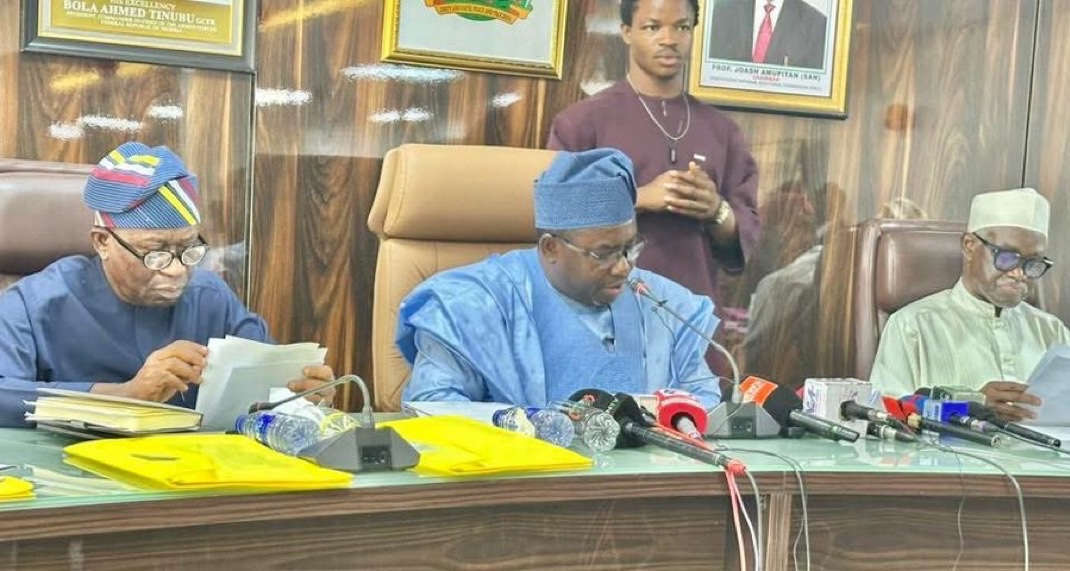
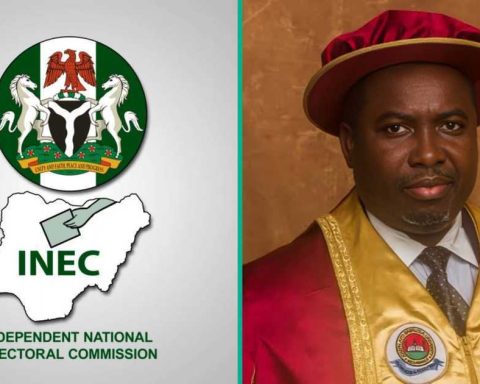
The Independent National Electoral Commission (INEC) has dismissed as false allegations linking its official, Prof. Joash Amupitan, SAN, to a purported X (formerly Twitter) account, following a forensic investigation which concluded that the account and associated posts were products of coordinated digital manipulation, Prime Business Africa reports.
In a statement issued on Tuesday from its headquarters in Abuja, the commission said the claims circulated widely on social media since April 10, 2026 originated from screenshots alleging that Prof. Amupitan operated an X handle identified as @joashamupitan and posted a partisan remark, “Victory is sure,” in response to another user.
The controversy escalated after additional materials surfaced online, including purported email addresses, phone numbers, BVN records, and data breach datasets allegedly tying the senior academic to the account.
Join our WhatsApp ChannelREAD ALSO :
INEC said Prof. Amupitan promptly denied ownership of any X account through his Chief Press Secretary, prompting the commission to commission an independent forensic cybersecurity review.
Forensic investigation findings
According to the commission, the multi-layered digital forensic exercise employed platform data analysis, internet archive searches, open-source intelligence tools, identity verification techniques, and cross-platform correlation checks.
The report concluded that Prof. Amupitan has no association with any personal X account and that all posts attributed to him online were “fraudulent and technically inconsistent.”
Key findings from the investigation include:
The disputed account was created in September 2022, but showed no verifiable linkage to Prof. Amupitan’s known email credentials or institutional records.
Timestamp analysis indicated that the alleged reply “Victory is sure” appeared to have been posted before the original message it responded to an inconsistency described as technically impossible.
Searches conducted on the Internet Archive (Wayback Machine) reportedly returned no record of the account or its activity prior to April 2026.
On the same day the screenshots went viral, the account was reportedly renamed, set to private, and labelled a “Parody Account,” a sequence INEC described as indicative of deliberate concealment and impersonation.
Investigators also identified multiple impersonation accounts across other platforms, including Facebook and Instagram, using Prof. Amupitan’s name and image.
READ MORE :
Claims of data linkage dismissed
INEC also addressed claims that the account was linked to Prof. Amupitan through email addresses, phone numbers, BVN records, and leaked data repositories.
It said repeated account recovery and verification attempts on the X platform failed to establish any technical connection between the disputed handle and the professor’s verified contact details.
While confirming that the phone number cited in online reports is genuinely associated with Prof. Amupitan through banking records, the commission stressed that such information “does not constitute proof of ownership or control of a social media account.”
On referenced data breach records, INEC stated that the datasets cited in circulation were historical, non-specific, and not attributable to any verified X account, adding that they predated the disputed timeline and lacked evidential value.
No archival trace, says commission
The commission further disclosed that a comprehensive search of the Internet Archive yielded no snapshots of the account or its alleged posts, describing the absence of archival records as significant in assessing the authenticity of the claims.
INEC concluded that the totality of forensic evidence points to a coordinated impersonation and disinformation campaign aimed at maligning Prof. Amupitan.
It affirmed that the official does not operate any personal X account and is not responsible for any of the posts attributed to him online.
The commission urged members of the public, media organisations, and digital platforms to exercise caution in amplifying unverified social media content, particularly where such material could mislead public perception or damage reputations.
INEC added that further steps would be taken, where necessary, to support identification and accountability of those behind the fabrication.

Amanze Chinonye is a Staff Correspondent at Prime Business Africa, a rising star in the literary world, weaving captivating stories that transport readers to the vibrant landscapes of Nigeria and the rest of Africa. With a unique voice that blends with the newspaper's tradition and style, Chinonye's writing is a masterful exploration of the human condition, delving into themes of identity, culture, and social justice. Through her words, Chinonye paints vivid portraits of everyday African life, from the bustling markets of Nigeria's Lagos to the quiet villages of South Africa's countryside . With a keen eye for detail and a deep understanding of the complexities of Nigerian society, Chinonye's writing is both a testament to the country's rich cultural heritage and a powerful call to action for a brighter future. As a writer, Chinonye is a true storyteller, using her dexterity to educate, inspire, and uplift readers around the world.