 Zita Offor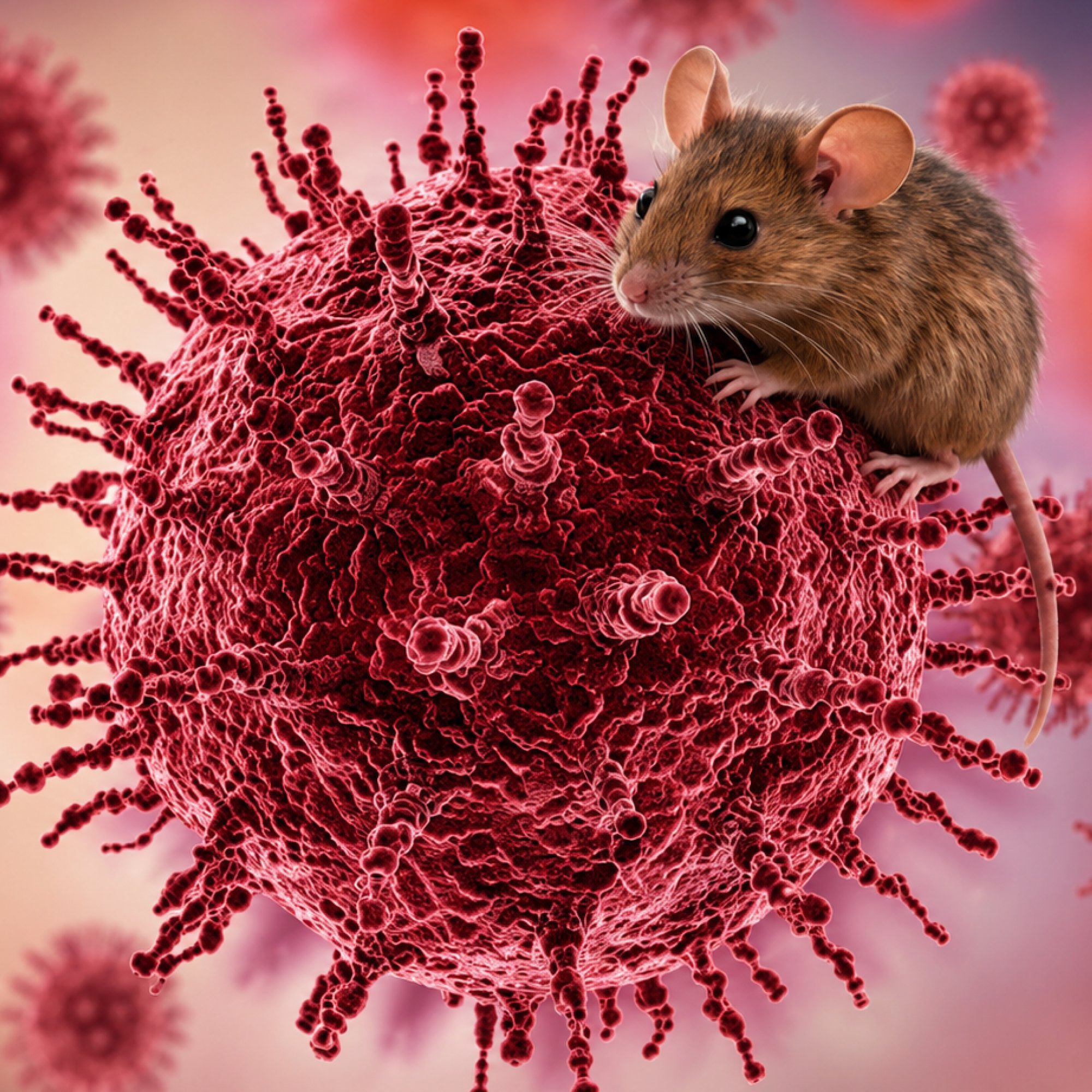
Hantaviruses are a group of viruses in the Hantaviridae family that can cause severe and sometimes fatal diseases in humans. These viruses are mainly spread by rodents, especially rats and mice, through their urine, droppings, or saliva. Humans can become infected by inhaling contaminated particles, touching contaminated surfaces, or, in rare cases, through rodent bites.
Although hantavirus infections are relatively rare, they are considered a serious public health concern because of their high fatality rate and lack of specific treatment.
Hantavirus infections recently gained global attention following a cruise ship-linked outbreak reported in May 2026. The outbreak resulted in several confirmed cases and deaths across multiple countries, raising concerns among health authorities about the dangers of rodent exposure and the rapid spread of infectious diseases in crowded environments.
Join our WhatsApp ChannelHistory of Hantavirus
According to a study published by the National Library of Medicine through PubMed Central, the history of hantavirus dates back to the Korean War (1951–1953), when more than 3,000 cases of Korean hemorrhagic fever were reported among United Nations troops.
In 1978, scientists first identified the virus responsible for the disease in a field rodent, Apodemus agrarius, near the Hantan River in South Korea. The virus was later named the Hantaan virus after the river where it was discovered.
In 1981, scientists successfully grew the virus under laboratory conditions and discovered that it belonged to a unique group within the Bunyaviridae family. Unlike many related viruses, hantaviruses do not rely on insects for transmission but are naturally carried by rodents.
For many years, scientists believed hantaviruses existed only in Europe and Asia. However, this changed in 1993 after an outbreak of severe respiratory illness occurred in the southwestern United States. The outbreak led to the discovery of Hantavirus Cardiopulmonary Syndrome (HCPS).
Further investigations revealed that the disease existed earlier than expected, with cases dating back to at least 1959. The virus responsible, known as the Sin Nombre virus, was traced to the deer mouse (Peromyscus maniculatus).
Today, scientists have identified more than 21 hantavirus species and over 30 genetic variants worldwide.
Types of Hantavirus Disease
Diseases caused by hantavirus depend on the virus strain, geographical location, and rodent host species.
According to the World Health Organisation (WHO), “Although many hantavirus species have been identified worldwide, only a limited number are known to cause human disease.”
The two major diseases associated with hantaviruses are:
Hantavirus Cardiopulmonary Syndrome (HCPS)
HCPS is mainly found in North and South America. It causes severe respiratory illness and lung complications, and can become fatal within a short period.
Common strains linked to HCPS include:
- Sin Nombre virus
- Andes virus
2. Hemorrhagic Fever with Renal Syndrome (HFRS)
HFRS is more common in Europe and Asia. It mainly affects the kidneys and blood vessels.
Common strains linked to HFRS include:
- Hantaan virus
- Seoul virus
- Dobrava virus
- Puumala virus
Among all hantavirus strains, the Andes virus is the only known type capable of limited person-to-person transmission, mainly through close contact with infected individuals.
Symptoms
Early Symptoms
Early symptoms of hantavirus infection may include:
- Fever
- Fatigue
- Muscle aches
- Chills
- Dizziness
- Nausea
- Vomiting
- Abdominal pain
Severe Symptoms of HCPS
As the disease progresses, HCPS may cause:
- Difficulty breathing
- Severe coughing
- Fluid buildup in the lungs
- Low blood pressure
Severe Symptoms of HFRS
Severe HFRS symptoms may include:
- Kidney dysfunction
- Internal bleeding
- Low platelet count
- Shock
Transmission
Hantaviruses are mainly transmitted through contact with infected rodents or their waste products. Common routes of transmission include:
- Inhaling contaminated air particles from rodent urine or droppings
- Contact with the urine, saliva, or droppings of infected rodents
- Rodent bites, although this is uncommon
- Limited person-to-person transmission in cases involving the Andes virus
Diagnosis
Diagnosing hantavirus infection can be difficult during the early stages because its symptoms often resemble those of the flu and other viral diseases.
Doctors may diagnose the infection using:
- Blood tests
- Polymerase Chain Reaction (PCR) testing
- Chest imaging
- Clinical evaluation and history of rodent exposure
Treatment
There is currently no specific antiviral treatment or widely approved vaccine for hantavirus infection. Treatment mainly focuses on supportive care and the management of complications.
Depending on the severity of the illness, patients may require:
- Oxygen therapy
- Intensive care support
- Dialysis for kidney complications
- Careful fluid management
Early medical attention can improve survival chances, especially in severe cases.
Prevention
Preventing hantavirus infection mainly involves reducing contact between humans and rodents.
Rodent Control
- Seal rodent entry points in homes and workplaces
- Use traps when necessary
- Store food properly
Safe Cleaning Practices
- Avoid dry sweeping rodent droppings
- Wear gloves and face masks during cleaning
- Spray disinfectant on rodent waste before wiping it with disposable towels
Environmental and Personal Hygiene
- Keep homes and surroundings clean
- Practice regular hand hygiene
- Remove areas that may encourage rodent nesting
Although hantavirus infections are uncommon, they remain a major public health concern because of their potentially deadly effects and lack of specific treatment. Increased public awareness, proper sanitation, early diagnosis, and effective rodent control remain the best ways to reduce the risk of infection and prevent future outbreaks.