 MARCEL MBAMALU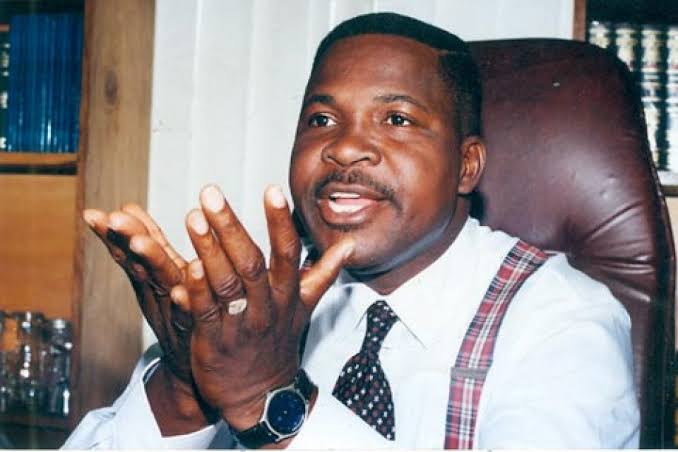
The SAN gown is sacred in Nigeria’s Bar. Strip it too early, and the whole temple shakes. The LPPC has suspended Mike Ozekhome’s rank before his disciplinary trial ends, citing “integrity.” What it has not done is tell Nigerians why, and that silence is now the real case on trial.
The LPPC’s decision to suspend Mike Ozekhome’s SAN rank pending disciplinary proceedings has lit a fire in legal and public circles. This is no longer just about one lawyer. It is about transparency, due process, and whether Nigeria’s top legal honour is regulated with a steady hand.
READ ALSO: Why LPPC Suspended Mike Ozekhome’s SAN Rank
Join our WhatsApp ChannelOn Tuesday, the committee announced Ozekhome’s suspension to “preserve the integrity, dignity and prestige” of the SAN title. It did not state the allegations.
That is where the trouble starts. No one says SANs should be above discipline. The question is whether a lawyer should wear an interim sanction this heavy before a conclusion is reached, and before the public knows the exact charges.
Confidence in the Bar rests on process, not just outcome. When a body announces a suspension quickly but is slow to explain the conduct behind it, speculation takes over.
The road to suspension
The LPPC did not detail the complaints. But the context is public. The case traces back to a London property fight and criminal charges in Abuja.
At issue is 79 Randall Avenue, North London. In September 2025, a UK tribunal ruled the house was not transferred to Ozekhome as claimed. It found forged documents and impersonation, and rejected a 2021 transfer said to be from one Tali Shani.
Nigeria took note. AGF Lateef Fagbemi said authorities would review the tribunal’s findings. Investigators later alleged that a passport and an irrevocable power of attorney tied to the claim were forged.
The matter left the UK. Nigerian authorities opened probes and filed criminal charges for forgery, impersonation and related offences. In February, the AGF amended and re-arraigned Ozekhome with Ponfa Useni at the FCT High Court, Maitama. Both pleaded not guilty. The trial is ongoing. No Nigerian court has affirmed the UK judgment.
Then came the LPPC’s move at its 173rd General Meeting. In a statement signed by Secretary and Supreme Court Chief Registrar Kabir Akanbi, the committee said the suspension was protective while allegations are examined. Ozekhome was directed to stop holding himself out as SAN.
The timing raises eyebrows. If the UK ruling is the reason, why act now, months later? The silence suggests there may be other grounds the LPPC chose not to disclose.
How past SANs were stripped
This is not the first interim sanction. In 2010, the LPPC suspended ex-AGF Michael Aondoakaa after a misconduct petition. The case was not yet concluded. A panel was set up, and a two-year suspension followed after findings.
In 2017, the committee withdrew B.E.I. Nwofor’s SAN rank after petitions and responses. It restored the rank in September 2021.
Sometimes the LPPC waits. In January 2018 it withdrew Kunle Ogunba’s SAN rank after probing allegations of multiple filings before different judges. After a review and fresh documents, it restored the rank and privileges in September 2018.
The pattern is mixed. In some cases, interim suspensions came first. In others, action followed findings. What is missing in Ozekhome’s case is a clear public statement of the allegations that triggered it.
The LPPC can impose interim measures. But such steps usually come with explanations, procedures, and guardrails against delay.
Which brings the next question: If this is temporary, how long before it looks like punishment, not precaution?
One law, different standards
The doubts grow when you place Ozekhome beside Nigeria’s political reality. Politicians and ex-officials facing grave charges often keep their rights, contest elections, and wield influence while cases drag on.
Take ex-Kogi Governor Yahaya Bello. The EFCC is prosecuting him over allegations of money laundering, breach of trust and misappropriation tied to about ₦110.4 billion and ₦80.2 billion. Yet he recently won an APC senatorial primary for Kogi Central and is set for 2027. He is presumed innocent until proven guilty.
Ex-AGF Abubakar Malami also fits the pattern. Petitions and calls for investigations trailed his tenure. Some demanded a review of his SAN status. He retains the rank despite criminal proceedings alleging terrorism offences, unlawful firearms, and an ₦8.7 billion money laundering scheme linked to family members. He remains active politically ahead of 2027.
The LPPC has not explained why Ozekhome merited immediate suspension before disciplinary proceedings ended, while other SANs in controversy did not face similar interim steps. Was it because Malami was AGF when petitions were filed? Or was something else at play?
Older examples abound. Before Abia’s 2007 governorship poll, Theodore Orji was detained by anti-graft agents. He stayed on the ballot, won, and governed. Legal and political tracks ran side by side.
None of this says Ozekhome should be immune. It asks why politicians keep their privileges until the gavel falls, while a lawyer loses the benefits of SAN before discipline is concluded.
The law says allegations are not guilt. That rule protects fairness and guards against pre-trial punishment.
This is not a declaration that Ozekhome is innocent or guilty. It is a demand for a process the public can trust.
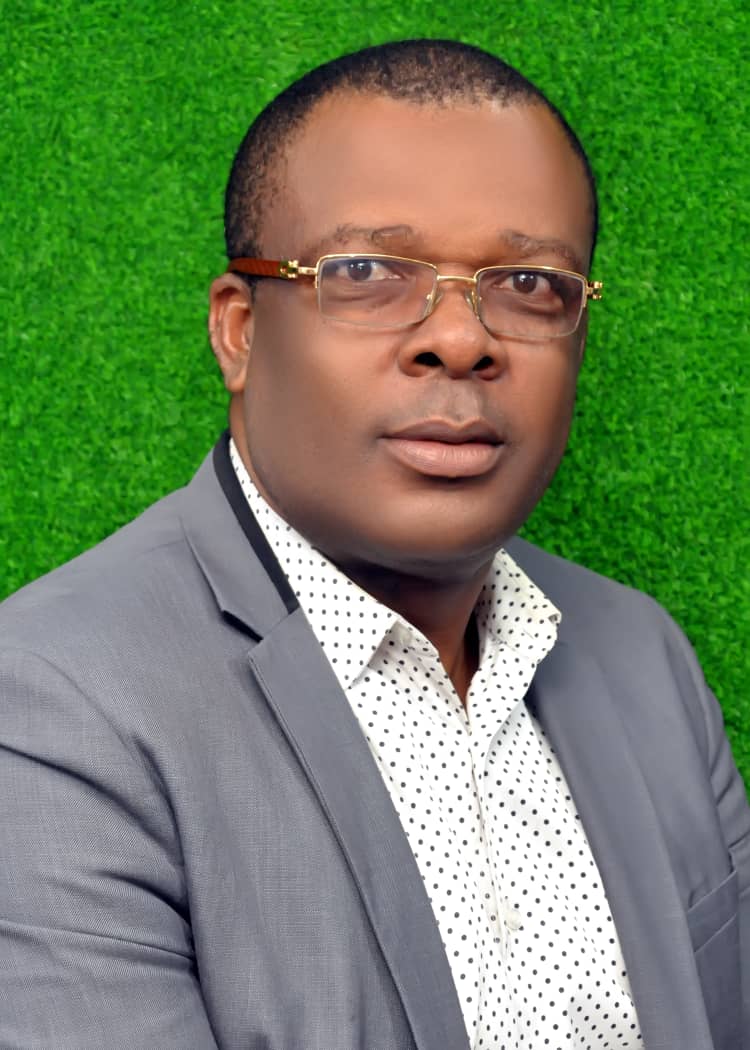
Dr. Marcel Mbamalu is a distinguished communication scholar, journalist, and entrepreneur with three decades of experience in the media industry. He holds a Ph.D. in Mass Communication from the University of Nigeria, Nsukka, and serves as the publisher of Prime Business Africa, a renowned multimedia news platform catering to Nigeria and Africa's socio-economic needs.
Dr. Mbamalu's journalism career spans over two decades, during which he honed his skills at The Guardian Newspaper, rising to the position of senior editor. Notably, between 2018 and 2023, he collaborated with the World Health Organization (WHO) in Northeast Nigeria, training senior journalists on conflict reporting and health journalism.
Dr. Mbamalu's expertise has earned him international recognition. He was the sole African representative at the 2023 Jefferson Fellowship program, participating in a study tour of the United States and Asia (Japan and Hong Kong) on inclusion, income gaps, and migration issues.
In 2020, he was part of a global media team that covered the United States presidential election.
Dr. Mbamalu has attended prestigious media trainings, including the Bloomberg Financial Journalism Training and the Reuters/AfDB Training on "Effective Coverage of Infrastructural Development in Africa."
As a columnist for The Punch Newspaper, with insightful articles published in other prominent Nigerian dailies, including ThisDay, Leadership, The Sun, and The Guardian, Dr. Mbamalu regularly provides in-depth analysis on socio-political and economic issues.