 Amanze Chinonye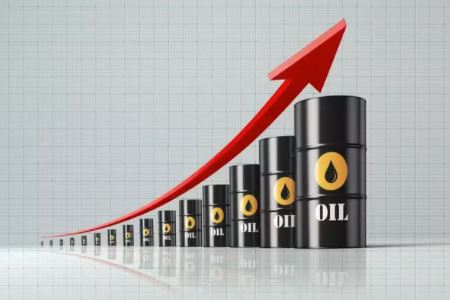
Fuel prices in South Africa are set for a sharp increase from May 6, 2026, following an announcement by the Department of Mineral and Petroleum Resources, which attributed the upward adjustment to global supply disruptions, rising crude oil costs, and domestic pricing mechanism, Prime Business Africa reports.
In a media statement, the Minister explained that the latest review reflects a combination of international and local factors affecting the cost of importing crude oil and refined petroleum products. Among the key drivers is a significant increase in global crude oil prices, with Brent crude rising from $93.67 to $101 per barrel during the review period.
The surge was linked to heightened geopolitical tensions between the United States and Iran, as well as the closure of the Strait of Hormuz and reported damage to critical infrastructure, all of which have tightened global supply.
Join our WhatsApp ChannelREAD ALSO :
Iran Strikes Gulf Oil Facilities, Putting Global Markets on Edge
The statement further noted that international petroleum product prices followed the same upward trajectory, with diesel and illuminating paraffin recording sharper increases than petrol due to stronger demand and constrained supply from the Persian Gulf region.
These conditions have contributed significantly to higher basic fuel price components across petrol, diesel, and paraffin.
Despite the global pressures, the Rand remained relatively stable against the US dollar, averaging between 16.64 and 16.65 to the dollar, resulting in only a marginal impact on fuel pricing. However, domestic mechanisms such as the slate levy have added to the final cost structure.
The government confirmed the implementation of a 122.70 cents per litre slate levy to recover a cumulative negative balance of R14.173 billion recorded at the end of March 2026 under the fuel price stabilisation system.
READ MORE :
In an effort to cushion consumers, authorities also announced a temporary reduction in the general fuel levy, cutting 300 cents per litre for petrol and 393 cents per litre for diesel. The measure, introduced by the Minister of Finance in consultation with the Minister of Mineral and Petroleum Resources, will run from May 6 to June 2, 2026.
Liquefied petroleum gas (LPG) prices will also rise due to tighter global supply conditions. The Maximum Refinery Gate Price for LPG imported through the Port of Saldanha Bay has been set at R18,375.72 per metric ton, while the Maximum Retail Price will increase to R40.85 per kilogram.
Overall, petrol prices will rise by R3.27 per litre, while both grades of diesel will increase by R6.19 per litre. Illuminating paraffin will go up by R4.22 per litre, and the Single Maximum National Retail Price for paraffin will increase by R5.63 per litre. LPG prices will also see increases, with regional adjustments reflecting higher costs in Gauteng and the Western Cape.
The department said a detailed breakdown of fuel price adjustments across different Magisterial District Zones will be published on May 5, ahead of implementation.

Amanze Chinonye is a Staff Correspondent at Prime Business Africa, a rising star in the literary world, weaving captivating stories that transport readers to the vibrant landscapes of Nigeria and the rest of Africa. With a unique voice that blends with the newspaper's tradition and style, Chinonye's writing is a masterful exploration of the human condition, delving into themes of identity, culture, and social justice. Through her words, Chinonye paints vivid portraits of everyday African life, from the bustling markets of Nigeria's Lagos to the quiet villages of South Africa's countryside . With a keen eye for detail and a deep understanding of the complexities of Nigerian society, Chinonye's writing is both a testament to the country's rich cultural heritage and a powerful call to action for a brighter future. As a writer, Chinonye is a true storyteller, using her dexterity to educate, inspire, and uplift readers around the world.