 MARCEL MBAMALU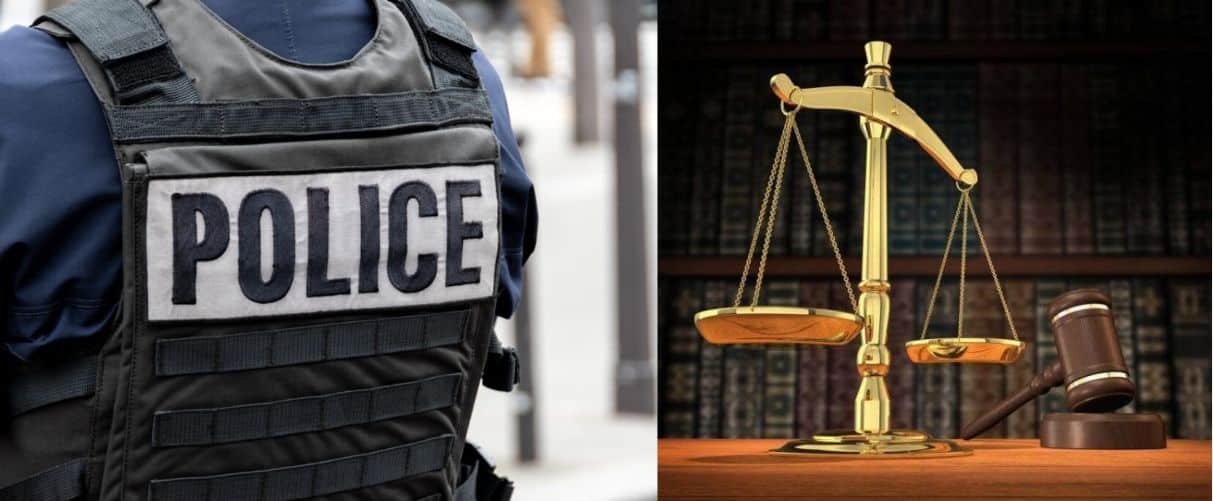
Isn’t it mind-blowing that, in Nigeria – a country with the highest number of churches and mosques – corruption transcends politics and has deeply penetrated small sectors, grassroots levels, families, and even anti-corruption agencies? This is especially with regard to bribery. Despite efforts to combat it, societal norms around bribery remain entrenched. Many have accepted it as a trend and smart way of making a livelihood. Those who should fight corruption are the ones chiefly into it. Recently, studies have indicated that both law enforcement agents and legal prosecutors have been free with bribery.
The United Nations Office on Drugs and Crimes (UNODC), in its 3rd National Corruption Survey, indicated that while police officers encountered citizens more than prosecutors and land registry officers, the latter are involved in bribery discussions in as many as 50% of discussions with people. The survey reveals that public officials with less frequent citizen contact, such as prosecutors and land registry officers, exhibit higher bribery rates, suggesting systemic issues within the legal system. This disparity indicates that although police corruption is prevalent, legal professionals may engage in more covert forms of corruption, often manipulating legal processes to their advantage.
Join our WhatsApp ChannelThe 2023 general elections also provide a significant evidence of erosion of public trust in the judiciary, traditionally viewed as check against corruption. Reports indicate that many citizens felt disillusioned as judges were perceived to be complicit in electoral manipulation, undermining their role in ensuring fair elections. The UNODC’s findings corroborate this sentiment. This is particularly alarming, given that judges are expected to uphold justice; yet they have been accused of issuing “cash and carry” judgments, especially during election disputes.
Prominent figures like Attahiru Jega, a Nigerian academic and former chairman of the Independent National Electoral Commission (INEC), known for overseeing the 2015 general elections, have noted that many judges enrich themselves through corrupt practices tied to electoral litigation. The increase in election petitions—1,225 filed in 2023—a rise of nearly 60% from 2019 also reflects a growing perception of judicial capture and manipulation.
General Issues about Corruption in Nigeria According to Agencies
Many agencies are concerned about the trend in Nigeria. The UNODC views corruption in Nigeria as a major obstacle to social, economic, and political development. Their reports indicate that while bribery is becoming less accepted— over 70% of Nigerians refused to pay bribes in 2023— corruption remains a significant concern, ranking among the top issues affecting citizens.
Similarly, the National Bureau of Statistics (NBS) recognises corruption as a critical challenge that affects public trust and service delivery. Their third National Corruption Survey, conducted with UNODC support, focuses on understanding the experiences of Nigerians with corruption rather than just perceptions. NBS findings suggest that public officials with frequent citizen interactions should be prioritised in anti-corruption efforts.
For the Economic and Financial Crimes Commission (EFCC) and Independent Corrupt Practices and Other Related Offences Commission (ICPC), corruption is a pervasive issue that undermines national development. The ICPC sees corruption as a systemic problem that requires a multi-faceted approach to prevention and enforcement. They advocate educational campaigns to raise awareness about the negative impacts of corruption while also working to strengthen anti-corruption units within various government agencies.
Another organisation is ActionAid Nigeria, a prominent civil society organisation that actively addresses issues of corruption and poverty in the country. They view corruption as a significant barrier to national development, particularly affecting marginalised communities by diverting resources meant for essential services such as healthcare and education. These agencies’ views collectively emphasise that while there are positive trends in public attitudes towards bribery, significant challenges remain.
Corruption Index in Nigeria Over the Years
The Corruption Perceptions Index (CPI) in Nigeria has averaged 21.48 points from 1996 to 2023, with a peak score of 28 points in 2016, attributed to heightened anti-corruption efforts during that period. The lowest recorded score was 6.90 points in 1996, during a time of significant political instability and corruption under military rule. The CPI also shows a slight decline from 24 points in 2022 to 25 points in 2023. Additionally, Nigeria’s position has fluctuated significantly over the years, with a notable drop to 154th in 2021, marking its worst performance since 2012.
READ ALSO: Back To A Failed Past As Nigeria Police Nears Pension Scheme Exit
According to the National Bureau of Statistics (NBS) report titled “Corruption in Nigeria: Patterns and Trends” for 2023, Public officials received approximately ₦721 billion in bribes; however, there are notable improvements in public attitudes towards bribery. The percentage of Nigerians who refused to pay bribes increased to 70%, up from less than 30% in previous years. Furthermore, the report indicates a slight decrease in the percentage of citizens who paid bribes —from 29% in 2019 to 27% in 2023 — suggesting a growing resistance to corruption among the populace.
The Economic Cost of Corruption to Lawyers Due to Lack of Public Trust and Patronage
The Corruption Perceptions Index illustrates that while there are positive trends in public attitudes towards bribery, significant challenges remain in effectively combating corruption in Nigeria, particularly within the legal sector. Corruption erodes public confidence in the legal profession. When lawyers are perceived as complicit in corrupt practices, it undermines their credibility and reduces the likelihood of clients seeking their services. The Nigerian Bar Association (NBA) has acknowledged that while no profession is immune to misconduct, generalisations about lawyers being enablers of corruption can harm the entire profession. Increased scrutiny from regulatory bodies and the public may result in higher compliance costs and operational challenges for lawyers.
Beyond the economic damage it inflicts on lawyers, corruption extends its impact to the general public. According to a report by PricewaterhouseCoopers (PwC), a multinational services brand of firms, corruption could cost Nigeria up to 37% of its GDP by 2030 if not addressed, leading to significant economic losses across all sectors, including legal services. Additionally, corruption creates a less predictable legal environment, making it challenging for lawyers to operate effectively. The perception of corruption within the judiciary can deter clients from engaging in legal representation, fearing that corrupt practices may influence outcomes rather than legal merit.
The economic cost of corruption on lawyers in Nigeria is multifaceted, involving reduced client patronage due to loss of trust, increased regulatory scrutiny, and an overall negative impact on the legal environment. Addressing corruption is essential not only for improving public confidence but also for enhancing the economic viability of legal practice in Nigeria. Therefore, a comprehensive approach involving legal reforms, enhanced transparency, and public engagement is crucial for sustainable progress.
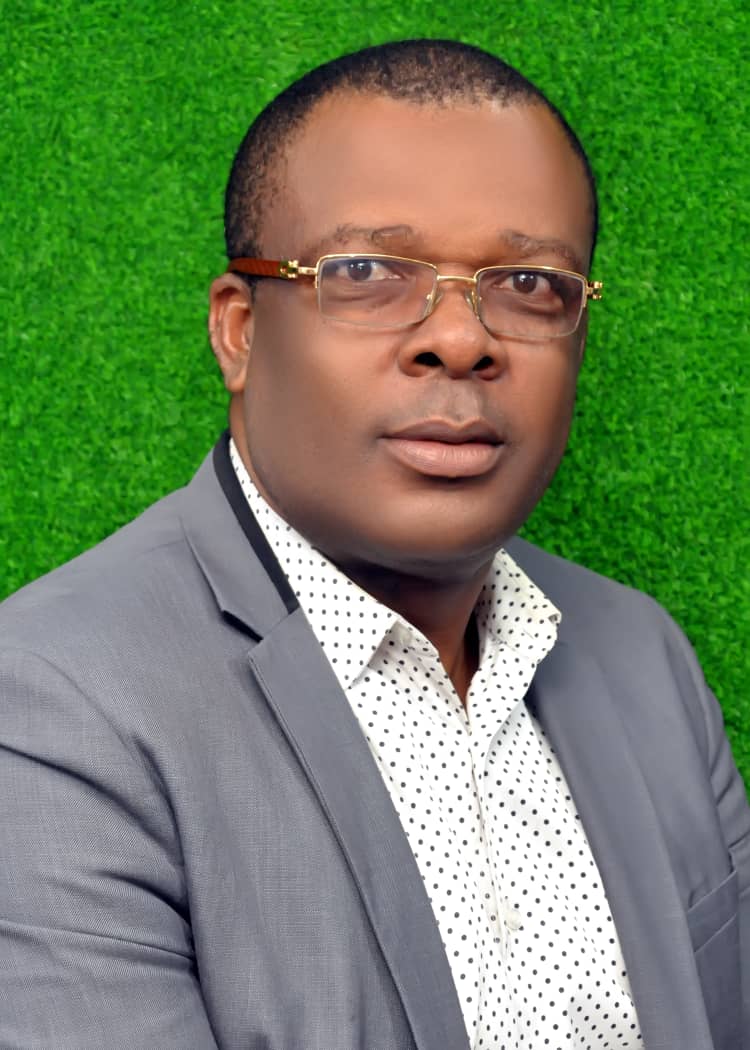
Dr Mbamalu is a Jefferson Fellow, member of the Nigerian Guild of Editors (NGE), communications/Media Consultant and Publisher, Prime Business Africa.
Email: marcelmbamalu2@gmail.com
+2348094000017

Dr. Marcel Mbamalu is a distinguished communication scholar, journalist, and entrepreneur with three decades of experience in the media industry. He holds a Ph.D. in Mass Communication from the University of Nigeria, Nsukka, and serves as the publisher of Prime Business Africa, a renowned multimedia news platform catering to Nigeria and Africa's socio-economic needs.
Dr. Mbamalu's journalism career spans over two decades, during which he honed his skills at The Guardian Newspaper, rising to the position of senior editor. Notably, between 2018 and 2023, he collaborated with the World Health Organization (WHO) in Northeast Nigeria, training senior journalists on conflict reporting and health journalism.
Dr. Mbamalu's expertise has earned him international recognition. He was the sole African representative at the 2023 Jefferson Fellowship program, participating in a study tour of the United States and Asia (Japan and Hong Kong) on inclusion, income gaps, and migration issues.
In 2020, he was part of a global media team that covered the United States presidential election.
Dr. Mbamalu has attended prestigious media trainings, including the Bloomberg Financial Journalism Training and the Reuters/AfDB Training on "Effective Coverage of Infrastructural Development in Africa."
As a columnist for The Punch Newspaper, with insightful articles published in other prominent Nigerian dailies, including ThisDay, Leadership, The Sun, and The Guardian, Dr. Mbamalu regularly provides in-depth analysis on socio-political and economic issues.