 Amanze Chinonye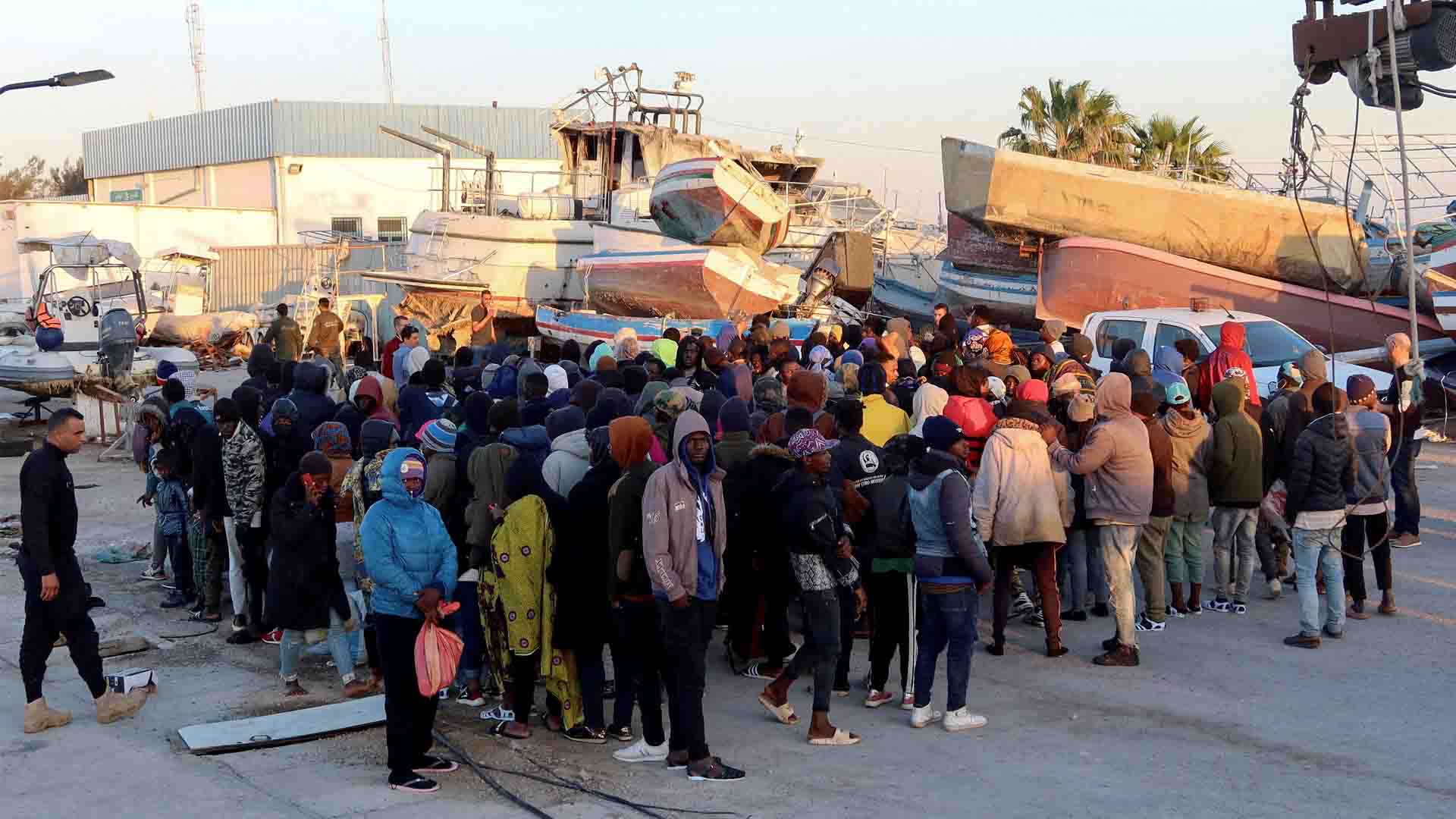
Spain is facing mounting pressure over the migrant crisis in its North African enclave of Ceuta after tens of thousands of people crossed from Morocco last month, overwhelming local reception facilities and intensifying political tensions over how to manage those who remain.
Join our WhatsApp Channel
Spanish Foreign Minister Jose Manuel Albares met Ceuta’s leader, Juan Jesus Vivas, on Tuesday, nearly two weeks after about 72,000 migrants crossed into the enclave on July 30 and 31 in an unprecedented influx.
READ ALSO :
Albares said the integrity of the Schengen free-travel area remained fully protected in Ceuta and neighbouring Melilla, while calling for greater European support for the two Spanish enclaves, citing their particular social and economic circumstances.
Spanish government figures indicate that about 70,000 of those who entered Ceuta have since returned to Morocco, but thousands remain, including unaccompanied children whose status is subject to additional legal protections.
Vivas, a member of the conservative Popular Party, has called for the urgent creation of a detention facility for migrants awaiting removal, describing the situation as “unsustainable”. He said a designated facility would allow authorities to keep migrants off the streets while speeding up procedures for those facing expulsion.
The number of migrants still in Ceuta is disputed. Vivas estimates that between 8,000 and 11,000 remain, while the central government puts the figure at about 2,500.
The influx has placed severe pressure on Ceuta’s reception and child-protection systems. Spain has registered more than 1,300 unaccompanied migrant minors in the enclave, while facilities designed for far fewer children have been overwhelmed.
Madrid has said it plans to transfer some of the children to mainland Spain, initially prioritising girls and younger children. Authorities have also said family reunification will remain a priority and that each case will be assessed individually, in line with legal safeguards governing unaccompanied minors.
Morocco has offered to cooperate with Spain on the return of unaccompanied Moroccan children, but Spanish authorities have stressed that any repatriation would be considered on a case-by-case basis.
The crisis has exposed growing political tensions between Madrid and Ceuta’s regional authorities, with migration becoming a flashpoint between Spain’s governing left-wing coalition and conservative and far-right parties.
Ceuta’s authorities have warned that the influx has stretched the territory’s capacity to provide shelter, food, water and sanitation. Residents have also protested over concerns about pressure on public services and security.
Madrid has responded by reinforcing security in the enclave. Minister for Territorial Policy Angel Victor Torres said security personnel had been increased, including a 40% rise in Civil Guard numbers.
READ MORE :
South Africa Opposes Isolation Over Migration, Seeks Africa-Wide Response
The humanitarian consequences of the influx have further complicated the government’s response. Spanish authorities had recovered at least 80 bodies by Aug. 7 after the mass crossing, with many of the victims believed to have died from drowning-related cardiopulmonary arrest. Vivas later estimated the death toll at about 100.
The crisis has also generated tensions beyond Spain. Italy introduced temporary border checks on travellers arriving from Spain following the influx, prompting Madrid to adopt reciprocal measures.
Spain now faces the challenge of restoring control over Ceuta’s migration system while meeting its legal obligations toward unaccompanied minors and addressing the humanitarian needs of those still in the enclave. Vivas is pressing for a mechanism to detain and remove undocumented migrants, while Madrid is seeking greater European support for a broader response.

Amanze Chinonye is a Staff Correspondent at Prime Business Africa, a rising star in the literary world, weaving captivating stories that transport readers to the vibrant landscapes of Nigeria and the rest of Africa. With a unique voice that blends with the newspaper's tradition and style, Chinonye's writing is a masterful exploration of the human condition, delving into themes of identity, culture, and social justice. Through her words, Chinonye paints vivid portraits of everyday African life, from the bustling markets of Nigeria's Lagos to the quiet villages of South Africa's countryside . With a keen eye for detail and a deep understanding of the complexities of Nigerian society, Chinonye's writing is both a testament to the country's rich cultural heritage and a powerful call to action for a brighter future. As a writer, Chinonye is a true storyteller, using her dexterity to educate, inspire, and uplift readers around the world.