 Amanze Chinonye
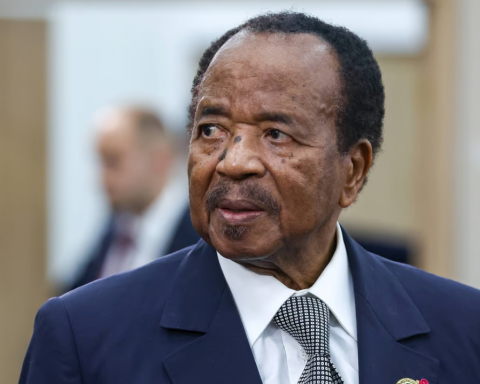
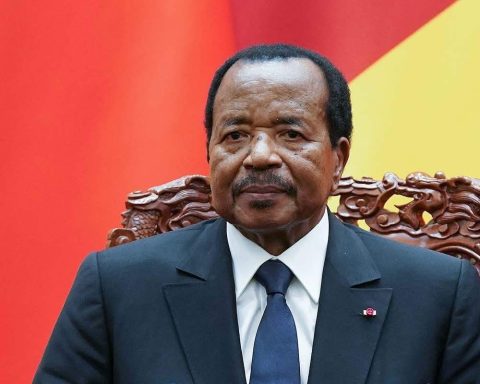
Cameroon’s President Paul Biya has returned to the country after a 74-day absence in Europe, ending a prolonged stay abroad that fuelled speculation about his health and renewed debate over governance and succession in one of Central Africa’s longest-ruling political systems, Prime Business Africa reports.
Join our WhatsApp Channel
Biya, 93, arrived in Yaoundé on Thursday from Geneva, where he had been since June 7. His office initially described the trip as a “brief private stay”, but the extended absence became a subject of growing public and political concern.
READ ALSO :
Biya Reshuffles Cameroon Military Leadership as Prolonged Absence Fuels Succession Concerns
Biya is Africa’s oldest serving president and the world’s oldest sitting head of state. He has governed Cameroon since 1982 and began an eighth term in office after winning last year’s presidential election, a result challenged by opposition figures.
His return was greeted by supporters of the ruling Cameroon People’s Democratic Movement, who gathered along roads in Yaoundé. The president waved to supporters as his motorcade travelled from the airport to the presidential palace, according to Reuters.
The return has eased immediate uncertainty over Biya’s whereabouts but has not settled questions about his health. There is no verified evidence that he was incapacitated or receiving treatment for a specific illness during his stay in Switzerland. The speculation was fuelled largely by his age, the length of his absence and his limited public visibility.
The episode has also drawn attention to a broader governance question: how effectively can Cameroon’s political institutions function when an ageing president spends extended periods outside the country?
READ MORE :
Biya Sworn In for New Term Amid Anger, Deadly Protests, Deepening Political Fault Lines
Opposition figures criticised the prolonged absence and questioned Biya’s ability to continue exercising presidential authority. Some called on constitutional institutions to consider an interim leadership arrangement. The Constitutional Council has not acted on those demands, Reuters reported.
The issue has also revived debate over succession in a country where political power has been concentrated around Biya for more than four decades.
Cameroon does not currently have a vice president exercising executive authority. Under the constitution, the president of the Senate can assume interim presidential duties when the presidency becomes vacant under circumstances including death, resignation or permanent incapacity.
Biya’s absence therefore became a test of more than presidential endurance. It exposed questions about the mechanisms available to manage a transition should the president become unable to govern and about the preparedness of state institutions for a post-Biya era.
The Associated Press (AP) described the latest stay as the longest absence of Biya’s presidency. He has frequently spent extended periods abroad, particularly in France and Switzerland, but the latest episode attracted heightened scrutiny because of his age and the limited information provided about his activities.
The concerns come as Cameroon continues to confront significant security and political challenges. Boko Haram remains a threat in the Far North, while separatist violence has persisted in the country’s English-speaking Northwest and Southwest regions.
For now, Biya’s return has restored his physical presence at the centre of government. But it has not removed the questions raised by his 74-day absence particularly over presidential health, institutional resilience and how Cameroon will manage the eventual transition from a leader who has dominated its politics since 1982.

Amanze Chinonye is a Staff Correspondent at Prime Business Africa, a rising star in the literary world, weaving captivating stories that transport readers to the vibrant landscapes of Nigeria and the rest of Africa. With a unique voice that blends with the newspaper's tradition and style, Chinonye's writing is a masterful exploration of the human condition, delving into themes of identity, culture, and social justice. Through her words, Chinonye paints vivid portraits of everyday African life, from the bustling markets of Nigeria's Lagos to the quiet villages of South Africa's countryside . With a keen eye for detail and a deep understanding of the complexities of Nigerian society, Chinonye's writing is both a testament to the country's rich cultural heritage and a powerful call to action for a brighter future. As a writer, Chinonye is a true storyteller, using her dexterity to educate, inspire, and uplift readers around the world.