 Amanze Chinonye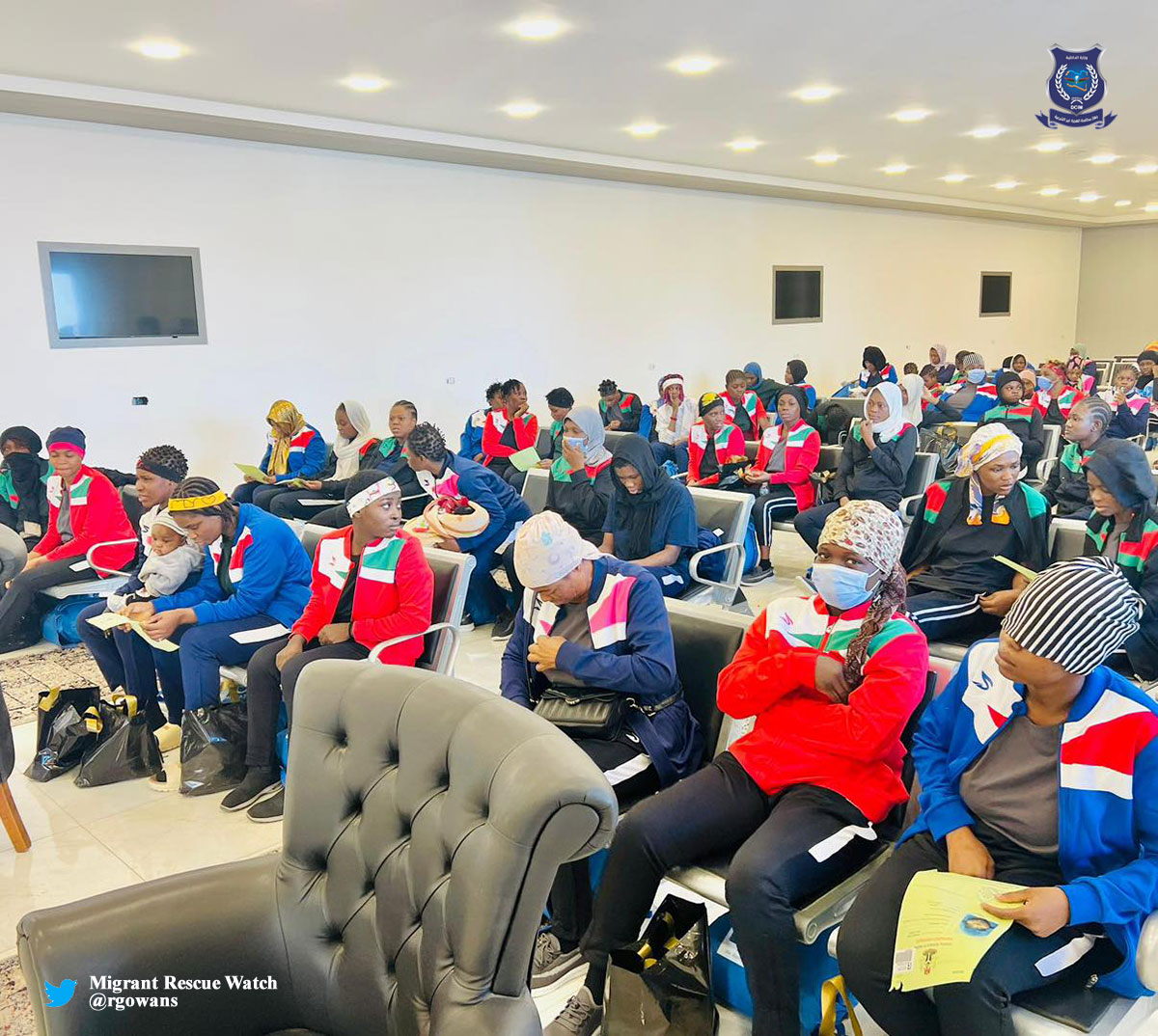
Germany deported at least 137 Nigerians on five documented charter flights between February and June, highlighting the challenge of reintegrating returning citizens and the potential to deploy their skills and experience in Nigeria’s economy.
The returnees arrived in five batches 27 in February, 37 in March, 24 in April, 23 in May and 26 in June according to records monitored by the Deportees Emergency Reception and Support team and Germany-based migration organisation Refugees4Refugees.
Join our WhatsApp ChannelREAD ALSO :
South African Court Adjourns Chidimma Adetshina’s Deportation Case Until August 19
The March operation was part of a joint European flight that returned 50 people to Nigeria, with Germany accounting for 37. Another operation in April involved German authorities and the European Border and Coast Guard Agency, Frontex.
The 137 figure covers the five documented charter operations which is not an official German government tally of all Nigerians deported during the period.
The returns come as Nigeria continues to operate programmes for citizens returning from abroad. The International Organization for Migration said in June that it had assisted 182 Nigerian migrants to return from Libya, bringing the number assisted under its Assisted Voluntary Return and Reintegration programme in 2026 to 7,825. More than 65,700 Nigerians have been assisted since the programme began in 2017.
The programme provides reception and counselling on arrival, while eligible returnees can receive assistance to rebuild their livelihoods.
Voluntary return, however, differs from deportation. Migrants who return voluntarily may receive support through structured programmes, while deportees are compulsorily removed after losing or failing to secure the legal right to remain in a country.
The distinction places greater emphasis on the capacity of Nigerian authorities and development partners to provide appropriate support for citizens returned through compulsory removal programmes.
The economic case for reintegration rests partly on the skills and experience some migrants may acquire abroad. Returnees can, in some circumstances, bring vocational skills, professional experience, savings or business knowledge that could be applied to productive activity in Nigeria. There is no evidence, however, that all 137 Nigerians possess such assets.
A targeted reintegration strategy could include assessing returnees’ qualifications, connecting them with employers and vocational institutions, and providing appropriate support for viable businesses.
READ MORE :
Nigeria-Germany Talks Raise Hopes for Power, Jobs, Security Gains
Germany’s broader relationship with Nigeria provides additional context. During a July visit to Abuja, German Foreign Minister Johann Wadephul said Germany would provide €10 million ($11.4 million) in 2026 to support the return and reintegration of people displaced from communities affected by Boko Haram and Islamic State-linked militants.
The funding is aimed at people displaced by insecurity and is not specifically linked to the 137 Nigerians deported from Germany.
The two countries also discussed expanding economic ties. Germany is Nigeria’s second-largest trading partner in sub-Saharan Africa, bilateral trade grew by about 10% last year and more than 100 German companies operate in Nigeria, according to Wadephul.
The overlap between migration management and economic cooperation could give Nigeria scope to pursue stronger reintegration measures in its engagement with European partners.
For Nigeria, the immediate challenge is ensuring that returning citizens can access documentation, employment, vocational training, psychosocial services and, where appropriate, support for productive economic activity.
As European governments intensify efforts to enforce migration decisions, effective reintegration is likely to become increasingly important.
The 137 Nigerians returned from Germany therefore highlight a wider policy question: whether Nigeria can manage deportation not simply as a migration issue, but as an opportunity to identify, support and deploy the skills and experience of returning citizens.

Amanze Chinonye is a Staff Correspondent at Prime Business Africa, a rising star in the literary world, weaving captivating stories that transport readers to the vibrant landscapes of Nigeria and the rest of Africa. With a unique voice that blends with the newspaper's tradition and style, Chinonye's writing is a masterful exploration of the human condition, delving into themes of identity, culture, and social justice. Through her words, Chinonye paints vivid portraits of everyday African life, from the bustling markets of Nigeria's Lagos to the quiet villages of South Africa's countryside . With a keen eye for detail and a deep understanding of the complexities of Nigerian society, Chinonye's writing is both a testament to the country's rich cultural heritage and a powerful call to action for a brighter future. As a writer, Chinonye is a true storyteller, using her dexterity to educate, inspire, and uplift readers around the world.