Amanze Chinonye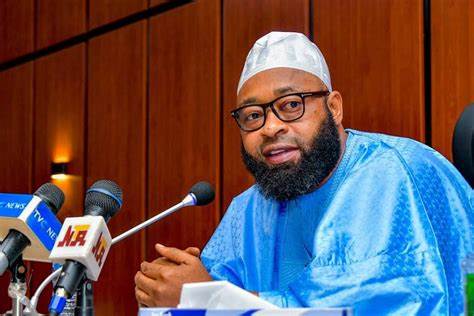
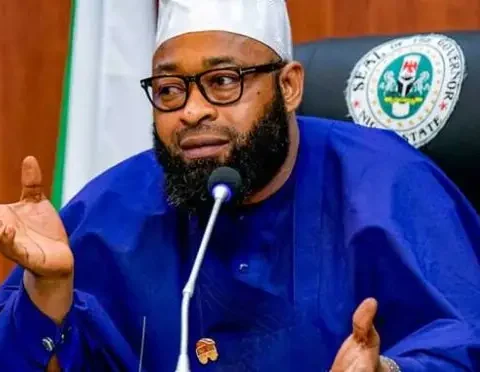
Governor Umaru Bago of Niger State has renewed the state’s demand for a 13 per cent derivation allocation, arguing that its contribution to Nigeria’s electricity generation and its wealth of natural resources have not been adequately reflected in the country’s revenue-sharing framework.
Bago made the appeal on July 11, 2026, when he received a delegation from the Revenue Mobilisation Allocation and Fiscal Commission (RMAFC) at the Government House, Minna. The visit formed part of the commission’s nationwide data verification exercise aimed at updating information used in the allocation of revenue to states and local government areas.
Join our WhatsApp ChannelREAD ALSO :
The governor said Niger State contributes about 60 per cent of Nigeria’s electricity supply through its hydroelectric power facilities, including Kainji, Jebba, Shiroro and Zungeru dams, but has received limited fiscal benefits despite hosting infrastructure critical to the nation’s energy sector.
He urged the commission to consider the state’s strategic importance during the review of the revenue allocation formula, insisting that states responsible for providing essential national assets should receive appropriate recognition within the fiscal system.
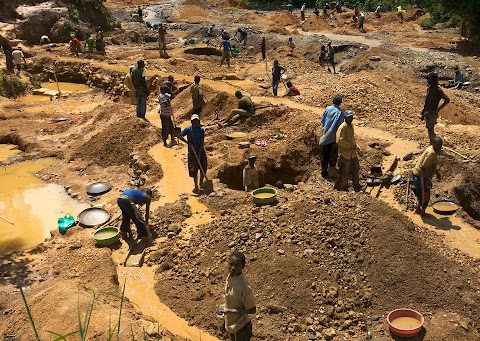
Bago also highlighted Niger State’s vast landmass and mineral resources, saying these, alongside its contribution to power generation, further justify its call for a derivation allocation. He argued that a more equitable revenue arrangement would enhance development and better compensate communities that host critical infrastructure.
The governor described revenue allocation as a vital component of national development, stability and fiscal fairness. He assured the commission of his administration’s continued cooperation while stressing the importance of accurate data in achieving effective resource distribution and informed economic planning.
The appeal represents a continuation of Bago’s long-standing advocacy for greater fiscal recognition for Niger State. He first made a similar demand in November 2023 and revisited the issue in 2024, arguing that the state’s role in powering the country through its hydroelectric facilities should attract derivation benefits.
READ MORE :
Earlier, the leader of the RMAFC delegation and Federal Commissioner representing the commission, Henry Awuregu, said the team was in Niger State as part of a nationwide exercise to verify and update data required for reviewing the revenue allocation formula.
Awuregu explained that the exercise was being conducted in line with the commission’s constitutional mandate to periodically review the formula and ensure that revenue distribution reflects current realities across the federation.
He commended the Niger State Government, its ministries, departments and agencies, as well as the 25 local government councils, for their cooperation throughout the exercise, noting that their support was crucial to its success.
The commissioner reiterated that Nigeria’s revenue allocation system is guided by the principles of fairness, equity and justice, expressing confidence that the outcome of the exercise would strengthen fiscal planning and improve resource allocation.
He also acknowledged the Bago administration’s development efforts, particularly in urban renewal, agricultural transformation and road infrastructure projects across the state.
The renewed push by Niger State adds to ongoing national conversations over whether Nigeria’s derivation principle should be broadened beyond oil-producing areas to recognise states that host infrastructure with significant economic value to the federation.

Amanze Chinonye is a Staff Correspondent at Prime Business Africa, a rising star in the literary world, weaving captivating stories that transport readers to the vibrant landscapes of Nigeria and the rest of Africa. With a unique voice that blends with the newspaper's tradition and style, Chinonye's writing is a masterful exploration of the human condition, delving into themes of identity, culture, and social justice. Through her words, Chinonye paints vivid portraits of everyday African life, from the bustling markets of Nigeria's Lagos to the quiet villages of South Africa's countryside . With a keen eye for detail and a deep understanding of the complexities of Nigerian society, Chinonye's writing is both a testament to the country's rich cultural heritage and a powerful call to action for a brighter future. As a writer, Chinonye is a true storyteller, using her dexterity to educate, inspire, and uplift readers around the world.