 Amanze Chinonye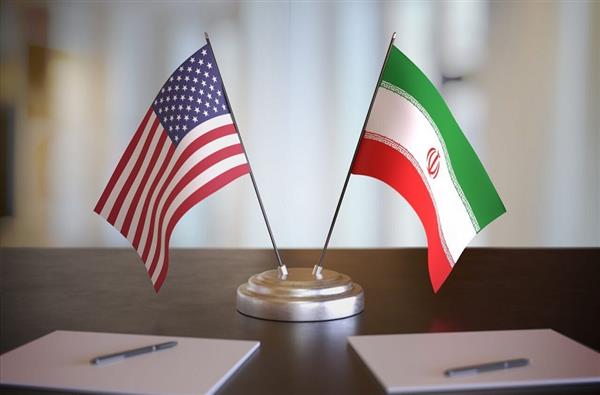
Fresh diplomatic efforts between the United States and Iran have produced a tentative 60-day roadmap towards a broader agreement, with negotiators reporting progress on sanctions relief, economic cooperation and regional security issues.
However, disagreements over southern Lebanon are threatening to derail implementation before the process formally begins.
Iranian Foreign Minister Abbas Araghchi said talks held in Switzerland resulted in what he described as significant progress, including discussions on easing restrictions on Iranian oil and petrochemical exports, releasing portions of frozen Iranian assets, and advancing measures aimed at restoring maritime commerce.
Join our WhatsApp ChannelREAD ALSO :
Iran Announces Closure of Strait of Hormuz, Cites U.S., Israeli Ceasefire Violations
According to Araghchi, the parties also agreed on a framework designed to pave the way for a final agreement within 60 days. The latest round of negotiations builds on a draft proposal that includes a $300 billion economic rehabilitation and reconstruction programme for Iran, although details regarding funding, implementation and verification remain subject to further negotiations.
The discussions took place amid heightened tensions following remarks by U.S. President Donald Trump, which Iranian officials said complicated the talks and briefly brought them to the brink of collapse before negotiations resumed.
One of the key outcomes of the discussions was the establishment of a “Lebanon deconfliction cell”, a mechanism intended to reduce tensions and prevent further escalation along the Israel-Lebanon front while broader diplomatic efforts continue.
Despite the progress, Lebanon has emerged as the most significant obstacle to the proposed agreement.
Iranian officials have maintained that implementation of any commitments under the roadmap will depend on a cessation of hostilities in Lebanon and a full Israeli withdrawal from southern Lebanon. Araghchi described the newly established deconfliction mechanism as the first major test of the parties’ commitment to the diplomatic process.
The prospects for moving forward were cast into doubt after Israeli leaders publicly rejected the possibility of withdrawing from areas they regard as vital to national security.
Israeli Defence Minister Israel Katz said Israeli forces would remain in what he described as a security zone in southern Lebanon and would continue to retain operational freedom against perceived threats. National Security Minister Itamar Ben-Gvir also reportedly ruled out any territorial concessions, declaring that Israel would not give up “a single inch” of territory.
READ MORE :
Pakistan Brokers Landmark US-Iran Peace Accord, Opening Path to Regional Stability, Sanctions Relief
The opposing positions have raised concerns among diplomats and analysts that the progress achieved during the Switzerland talks could face immediate challenges unless the dispute over southern Lebanon is resolved.
While negotiators on both sides have characterised the talks as constructive, uncertainty remains over whether measures discussed during the negotiations, including sanctions relief and the release of frozen Iranian assets, have already taken effect or remain contingent on future agreements.
Diplomatic observers say the coming weeks will be crucial in determining whether Washington and Tehran can sustain the momentum generated by the talks and overcome regional security disputes that continue to complicate efforts towards a comprehensive settlement.
Should the Lebanon impasse persist, analyst Anselm warn that the 60-day roadmap could face significant delays, potentially undermining one of the most ambitious diplomatic openings between the two countries in recent years.

Amanze Chinonye is a Staff Correspondent at Prime Business Africa, a rising star in the literary world, weaving captivating stories that transport readers to the vibrant landscapes of Nigeria and the rest of Africa. With a unique voice that blends with the newspaper's tradition and style, Chinonye's writing is a masterful exploration of the human condition, delving into themes of identity, culture, and social justice. Through her words, Chinonye paints vivid portraits of everyday African life, from the bustling markets of Nigeria's Lagos to the quiet villages of South Africa's countryside . With a keen eye for detail and a deep understanding of the complexities of Nigerian society, Chinonye's writing is both a testament to the country's rich cultural heritage and a powerful call to action for a brighter future. As a writer, Chinonye is a true storyteller, using her dexterity to educate, inspire, and uplift readers around the world.