 MARCEL MBAMALU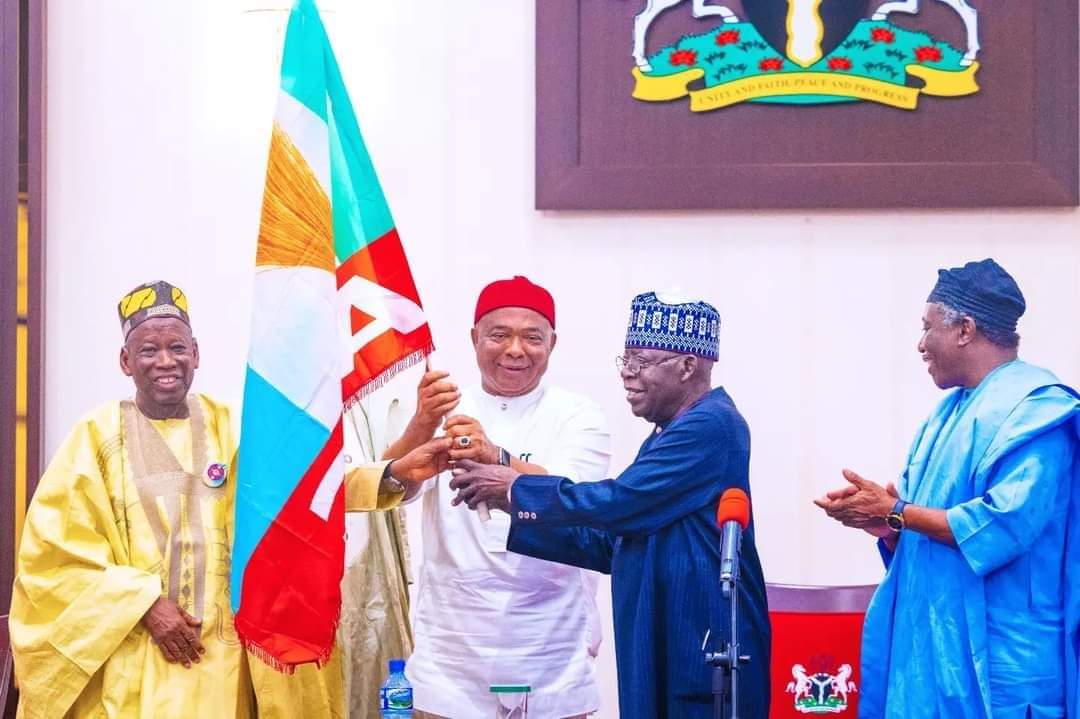
Imo State Governor Hope Uzodinma is no longer hiding behind silence. He has been screened by the APC for the Senate while still holding office, with two years left on his governorship mandate.
What started as rumour has hardened into fact. But the real story isn’t Uzodinma’s ambition. It’s what his move reveals about Nigerian politics: a system where governors now treat public office as a waiting room, keeping the governorship as insurance in case the next seat doesn’t work out.
That’s not succession planning. It’s fallback politics. And it’s eroding the idea that a mandate means anything more than a stepping stone to the next deal.
Join our WhatsApp ChannelThe Transition from Rumour to Confirmation
In early May 2026, reports surfaced that APC stakeholders in Orlu Zone had bought both expression of interest and nomination forms for Uzodinma’s Senate bid, at a reported cost of ₦20 million. At the time, the governor said nothing.
READ ALSO: The N20m Question: Why Uzodimma’s Silence on Senate Rumours Matters for Imo
In Nigerian politics, that silence matters. Forms at that level don’t get bought without at least tacit approval. Now that Uzodinma has shown up for screening, the silence has given way to confirmation. The question is no longer whether he wants the Senate. It’s whether an active governorship can be credibly managed while one foot is already out the door.
When Praise Undermines Accountability
The APC National Chairman, Nentawe Yilwatda, deepened the controversy during screening. He reportedly said Uzodimma had “done incredibly well” and there was no need “to keep him waiting… he is the answer to the questions.”
That line might sound like praise. In a democracy, it’s dangerous. Public office isn’t supposed to have unquestionable answers. It’s supposed to have public scrutiny.
The comment lands harder against rumours that Uzodinma’s leadership of the APC Governors’ Forum is under strain, with whispers of a vote of no confidence over money and internal party politics. It also ignores the reality on the ground in Imo West. The Senate seat Uzodinma wants is currently held by Osita Izunaso, with former governor Rochas Okorocha also circling. All are APC members.
So the question becomes unavoidable: has the party already decided Uzodimma is the only option? And if so, why? The absence of primaries for the 2028 governorship race only sharpens the suspicion that deals are being cut behind closed doors.
The Contradiction of Governing While Contesting
Legally, Uzodimma is within his rights. Section 306 of the 1999 Constitution governs resignation, not dual ambition. But legality isn’t the same as legitimacy.
His second term runs until 2028. That creates what political operatives quietly call “executive fallback politics”: run for the Senate, and if you lose, fall back to Government House. Incumbency becomes political insurance.
That arrangement puts governance in a bind. A governorship is meant to be a full-time constitutional mandate, not a holding pattern while negotiations for the next office play out. Supporters point to infrastructure projects and budget discipline as proof of commitment. But that argument cuts both ways. If those projects truly need continuity and hands-on supervision, why is the political machine already pivoting to the next election before the current term ends?
A Broader Warning for Nigerian Democracy
The concern isn’t just about Imo. If more governors start treating their tenure as a temporary perch for the next office, the public mandate loses meaning. Governance becomes secondary to ambition and elite survival.
There’s also the question of framing. Uzodinma has linked his Senate bid to strengthening President Tinubu’s “Renewed Hope” agenda. That’s a loyalty pitch to Aso Rock, not a case for representation in Imo. Voters are entitled to hear first how their interests will be served, not how Abuja’s calculations will be secured.
Allegations that some governors diverted FAAC funds to early campaign mobilization remain unproven. But the timing of Uzodimma’s move, combined with talk of no governorship primaries in Imo, feeds a narrative that internal democracy is being traded for managed succession.
Conclusion: Mandates Are Not Safety Nets
Political ambition isn’t a crime. Contesting elections isn’t either. But when elected officials use active executive authority as leverage for the next race, citizens have a right to demand answers.
A governorship should not function as a fallback plan. It should function as a mandate. If that line keeps blurring, then what we call governance will look less like service and more like a holding company for political careers.
Uzodinma and the APC owe Nigerians more than silence and party praise. They owe a clear account of succession in Imo, the rules of internal contest, and why the people’s mandate is being asked to wait while the next deal is being closed.

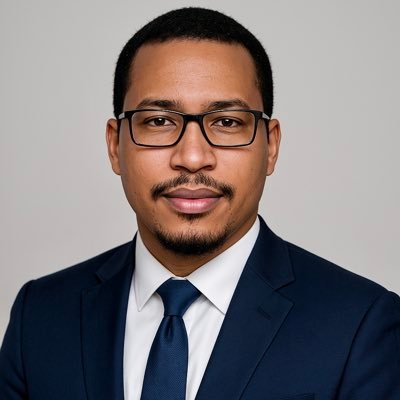
Dr. Marcel Mbamalu is a distinguished communication scholar, journalist, and entrepreneur with three decades of experience in the media industry. He holds a Ph.D. in Mass Communication from the University of Nigeria, Nsukka, and serves as the publisher of Prime Business Africa, a renowned multimedia news platform catering to Nigeria and Africa's socio-economic needs.
Dr. Mbamalu's journalism career spans over two decades, during which he honed his skills at The Guardian Newspaper, rising to the position of senior editor. Notably, between 2018 and 2023, he collaborated with the World Health Organization (WHO) in Northeast Nigeria, training senior journalists on conflict reporting and health journalism.
Dr. Mbamalu's expertise has earned him international recognition. He was the sole African representative at the 2023 Jefferson Fellowship program, participating in a study tour of the United States and Asia (Japan and Hong Kong) on inclusion, income gaps, and migration issues.
In 2020, he was part of a global media team that covered the United States presidential election.
Dr. Mbamalu has attended prestigious media trainings, including the Bloomberg Financial Journalism Training and the Reuters/AfDB Training on "Effective Coverage of Infrastructural Development in Africa."
As a columnist for The Punch Newspaper, with insightful articles published in other prominent Nigerian dailies, including ThisDay, Leadership, The Sun, and The Guardian, Dr. Mbamalu regularly provides in-depth analysis on socio-political and economic issues.