 MARCEL MBAMALU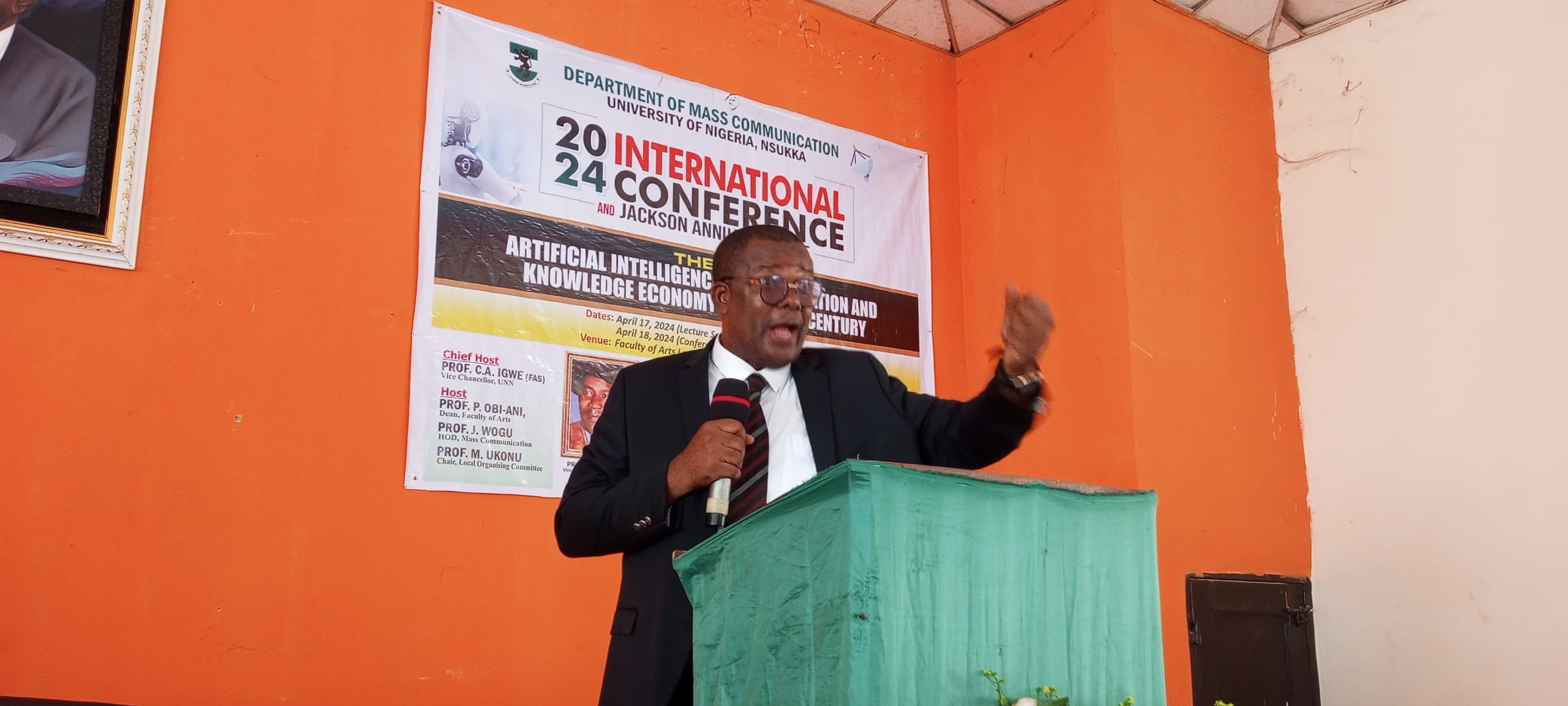
Nigeria is one of the most religious countries on earth. Ninety-six percent of Nigerians attend religious services at least once a month. Churches and mosques dot every street. Prayers open board meetings and political rallies. Yet Nigeria also ranks among the world’s most insecure nations.
That paradox is not accidental. It is a warning.
Join our WhatsApp ChannelReligion in Nigeria is rarely just a private relationship with God. It is lived, expressed, and often contested in public life — shaped by politics, economics, identity, and the fear of domination. And when faith becomes a banner for grievance, the result is violence that cuts deeper than any theological disagreement.
A History Written in Division
The fault line is old. Islam took root in northern Nigeria as early as the 11th century and was politically consolidated under the Sokoto Caliphate in 1804. Christianity spread through southern Nigeria in the 19th and 20th centuries via European missionary activity. By the time Nigeria was amalgamated in 1914, the two faiths had settled into distinct geographies. Religion became tied to region, identity, and later, power.
Independence in 1960 did not erase that division. It institutionalized it. Local disputes — over land, elections, resources — are routinely reframed as Christian versus Muslim confrontations. Kaduna is the clearest example. The 2000 riots after the introduction of Sharia law killed more than 1,000 people in days. What began as a legal policy became a religious war because communities already saw themselves through faith.
The expansion of Sharia across Zamfara, Kano, and Sokoto from 1999 deepened that rift. For many Muslims, it was religious freedom. For many Christians in mixed states like Plateau, it felt like exclusion. The law was no longer private belief. It became a public boundary.
When Extremism Hijacks the Narrative
The 2009 uprising of Boko Haram marked a turning point. The group framed its rejection of Western education and state authority in religious terms. Its bombings of churches, schools, and even the UN building in Abuja in 2011 turned suspicion into open hostility. Though Muslims have been its largest victims, the religious framing stuck.
Boko Haram has since splintered into factions, including ISWAP, which now operates across the Lake Chad basin. Other radical groups with cross-border links have appeared, further muddying the security landscape. Their shared pattern is simple: interpret religion as justification for violence.
But here’s the uncomfortable truth. Not every attack labeled “religious” is theological. In June 2024, gunmen killed over 200 people in Yelwata, Benue State. Police investigations traced it to a cattle dispute between Fulani and another community. Yet it was quickly framed as terrorism and religious persecution. In Plateau State, clashes in Jos in 2001, 2008, and 2010 began as disputes over elections or land before they were recast as faith-based confrontations. Retaliation follows. Mistrust hardens. The cycle repeats.
Religion, in these cases, is the language of conflict. The substance is governance failure, inequality, and competition for scarce resources.
The Christian Dilemma: Preach Peace, Practice Defense
Christianity in Nigeria preaches peace, forgiveness, and the sanctity of life. Church leaders regularly call for restraint and interfaith dialogue. But the practical response is fragmented.
Nigeria has hundreds of Christian denominations, from mainline churches to Pentecostal movements. Each prioritizes different issues. Some focus on doctrine. Others on national crises. The result is inconsistent messaging and weakened moral authority.
Political pressure compounds the problem. Church institutions often avoid labeling attacks as “Christian genocide” for fear of being seen as partisan. The Christian Association of Nigeria has been notably cautious, even as international groups use that term. Social media fills the gap with accusations of selective advocacy.
Still, communities in Plateau, Kaduna, and Benue sometimes organize self-defense when the state fails to protect them. It’s a tension between doctrine and survival. Leaders preach non-violence. Citizens act to preserve life. That gap undermines the credibility of both.
What’s Actually Working on the Ground
Despite the bleak picture, peacebuilding is happening. And it works best when it’s local.
Interfaith dialogue platforms like the _InterFaith Activity and Partnership for Peace_ are bringing Christian and Muslim clerics together to counter misinformation and hate speech. Mission 21 has supported forums and psychosocial programs in 2024 and 2025 that train leaders in nonviolent conflict management and support traumatized women and youth.
At the grassroots, the _Global Peace Foundation Nigeria_ has spent years in Kaduna communities like Hayin Banki and Maraban Rido. Neighbors of different faiths now share celebrations, community service, and peace dialogues. The Southern Kaduna Peace and Reconciliation Committee brings together traditional rulers, youth, and women to design joint projects that benefit everyone, not just one faith.
Civil society is also stepping in. The Cardinal Onaiyekan Foundation for Peace held workshops in Uyo in 2025 focused on tolerance and economic empowerment. At the national level, the Interfaith Dialogue Forum for Peace convened Christian and Muslim leaders in Abuja in December 2025 to address targeted violence and protect religious freedom.
The lesson is clear: when communities meet regularly and work on common goals, stereotypes collapse. Coexistence becomes normal.
The Hard Questions
So why does a deeply religious country remain so violent? Because religion alone is not the cause. Political instability, poverty, corruption, ethnic division, and land competition intersect with religious identity to create conflict. Religion becomes the frame, not the fuel.
Are all acts of violence religious? No. Many are local, economic, or ethnic disputes that adopt religious language for mobilization.
Can ordinary citizens help? Yes. By rejecting “us versus them” narratives, supporting interfaith initiatives, and demanding accountability from leaders who exploit religious division for political gain.
The Path Forward
The challenge is not theology. It is interpretation and practice. Christianity, Islam, and African Traditional Religions all affirm a supreme being and the values of peace and justice. Even the word “Allah” simply means “God.”
The real work lies in building institutions that are neutral, accountable, and capable of protecting all citizens. Without that, dialogue remains donor-dependent and fragile.
Nigeria’s religious landscape is complex, but not hopeless. The same faith that divides can also heal — if leaders choose reconciliation over rhetoric, and if communities choose shared purpose over suspicion.
Faith should be the bridge. For too long, it has been the barricade. It’s time to rebuild the bridge.

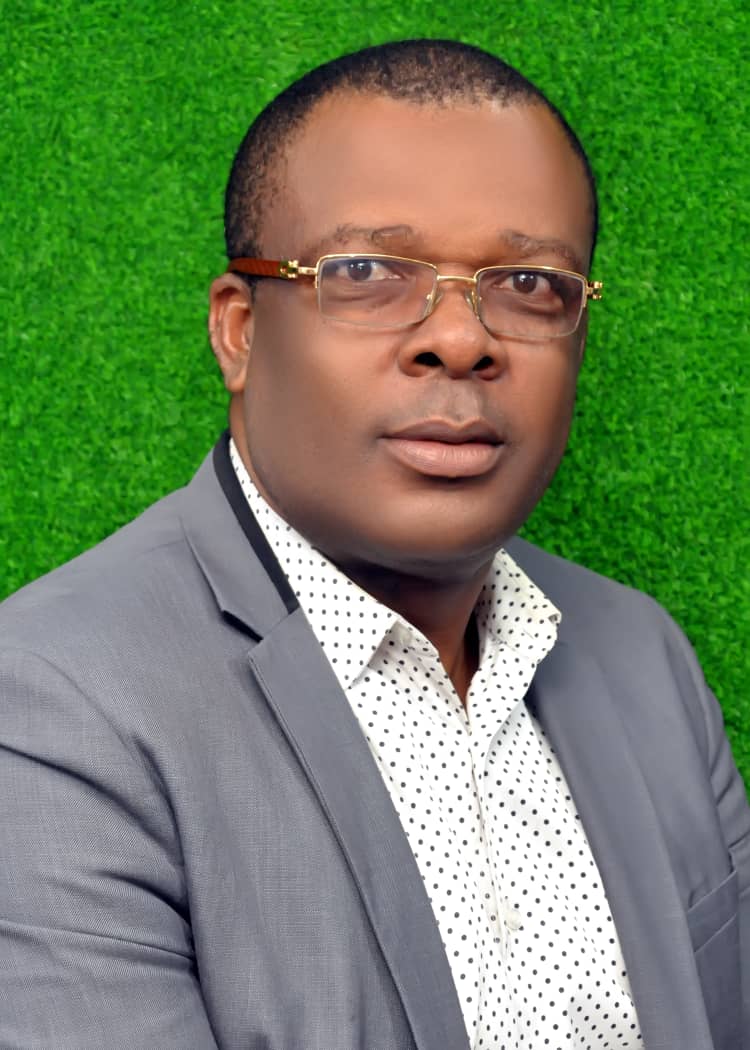
Dr. Marcel Mbamalu is a distinguished communication scholar, journalist, and entrepreneur with three decades of experience in the media industry. He holds a Ph.D. in Mass Communication from the University of Nigeria, Nsukka, and serves as the publisher of Prime Business Africa, a renowned multimedia news platform catering to Nigeria and Africa's socio-economic needs.
Dr. Mbamalu's journalism career spans over two decades, during which he honed his skills at The Guardian Newspaper, rising to the position of senior editor. Notably, between 2018 and 2023, he collaborated with the World Health Organization (WHO) in Northeast Nigeria, training senior journalists on conflict reporting and health journalism.
Dr. Mbamalu's expertise has earned him international recognition. He was the sole African representative at the 2023 Jefferson Fellowship program, participating in a study tour of the United States and Asia (Japan and Hong Kong) on inclusion, income gaps, and migration issues.
In 2020, he was part of a global media team that covered the United States presidential election.
Dr. Mbamalu has attended prestigious media trainings, including the Bloomberg Financial Journalism Training and the Reuters/AfDB Training on "Effective Coverage of Infrastructural Development in Africa."
As a columnist for The Punch Newspaper, with insightful articles published in other prominent Nigerian dailies, including ThisDay, Leadership, The Sun, and The Guardian, Dr. Mbamalu regularly provides in-depth analysis on socio-political and economic issues.