 Amanze Chinonye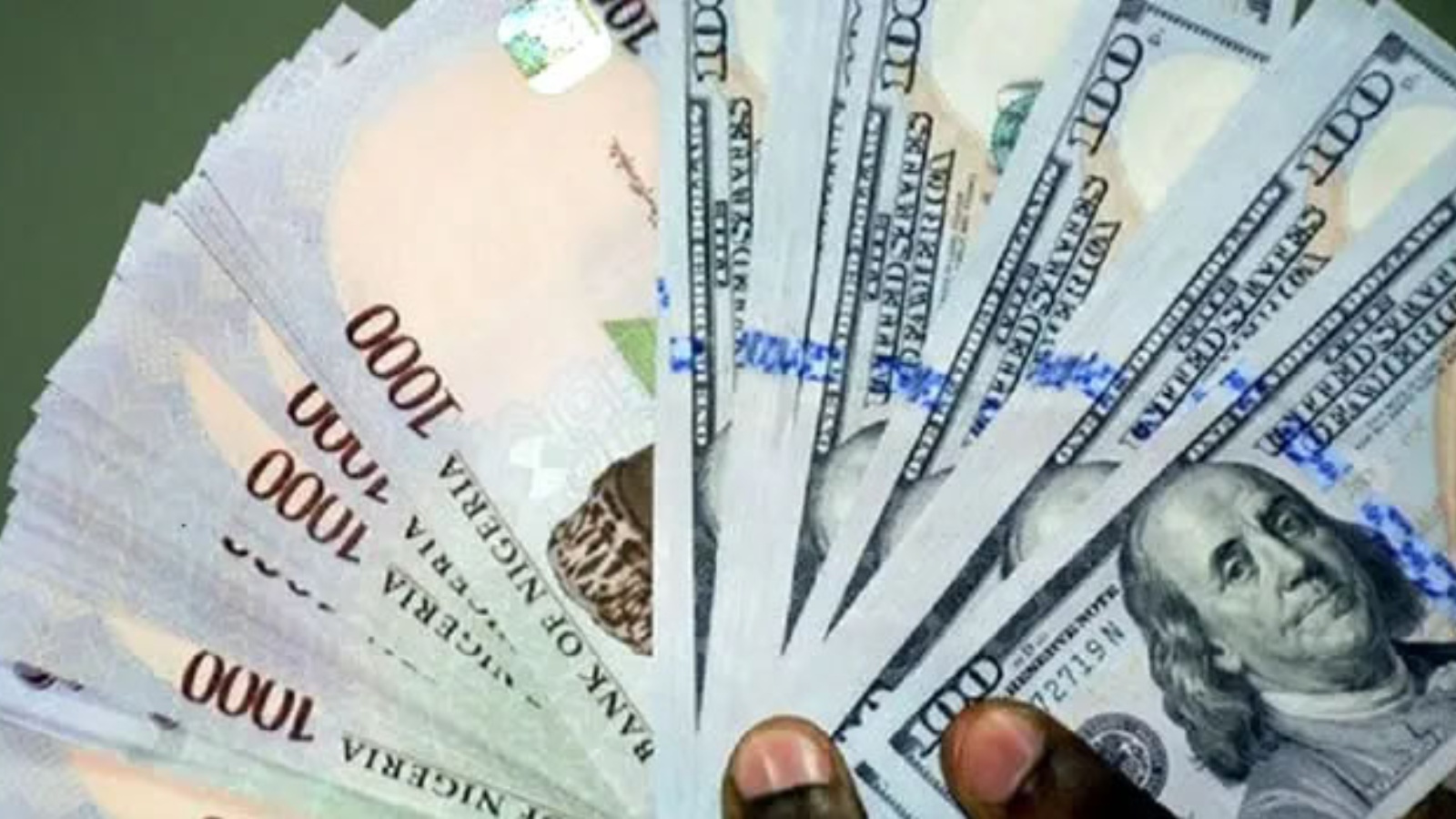
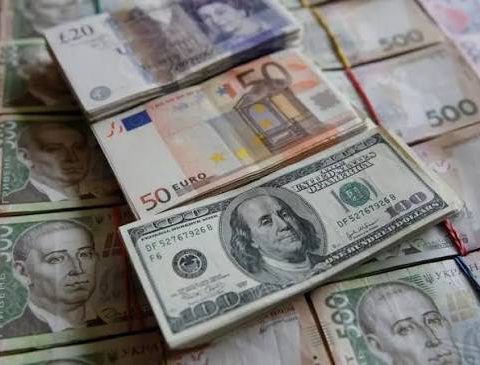
The Central Bank of Nigeria (CBN) has directed all International Money Transfer Operators (IMTOs) to begin paying diaspora remittances in naira, ending the longstanding practice of dollar disbursements to recipients in Nigeria.
Under the new guideline, which takes effect from May 1, 2026, IMTOs including Western Union, MoneyGram, and World Remit are required to open naira settlement accounts with authorised dealer banks in the country.
The directive means that Nigerians receiving funds from abroad will now be paid strictly in the local currency, regardless of the currency in which the money was sent.
Join our WhatsApp ChannelThe move is part of the CBN’s broader efforts to strengthen liquidity in the foreign exchange market, enhance oversight of inflows, and reduce pressure on the naira amid persistent demand for the US dollar.
READ ALSO : CBN’s NRBVN: A Game-changer In Diaspora Remittances, Financial Inclusion – Cardoso
ChitChat Launches Global Remittances, Expanding Financial Services Features
Industry analysts say the policy marks a significant shift from previous frameworks that allowed recipients to collect remittances in foreign currency, a system introduced to encourage diaspora inflows and improve dollar supply in the official market.
While the apex bank has yet to provide detailed operational guidelines on exchange rate determination for the conversions, financial experts note that the success of the policy will largely depend on transparency in pricing and confidence in the foreign exchange market.
Nigeria remains one of Africa’s largest recipients of diaspora remittances, with inflows serving as a critical source of foreign exchange and household income support.
The CBN maintains that the new measure will improve monetary control, streamline remittance flows through formal channels, and support ongoing reforms aimed at stabilising the country’s currency.

Amanze Chinonye is a Staff Correspondent at Prime Business Africa, a rising star in the literary world, weaving captivating stories that transport readers to the vibrant landscapes of Nigeria and the rest of Africa. With a unique voice that blends with the newspaper's tradition and style, Chinonye's writing is a masterful exploration of the human condition, delving into themes of identity, culture, and social justice. Through her words, Chinonye paints vivid portraits of everyday African life, from the bustling markets of Nigeria's Lagos to the quiet villages of South Africa's countryside . With a keen eye for detail and a deep understanding of the complexities of Nigerian society, Chinonye's writing is both a testament to the country's rich cultural heritage and a powerful call to action for a brighter future. As a writer, Chinonye is a true storyteller, using her dexterity to educate, inspire, and uplift readers around the world.