 Amanze Chinonye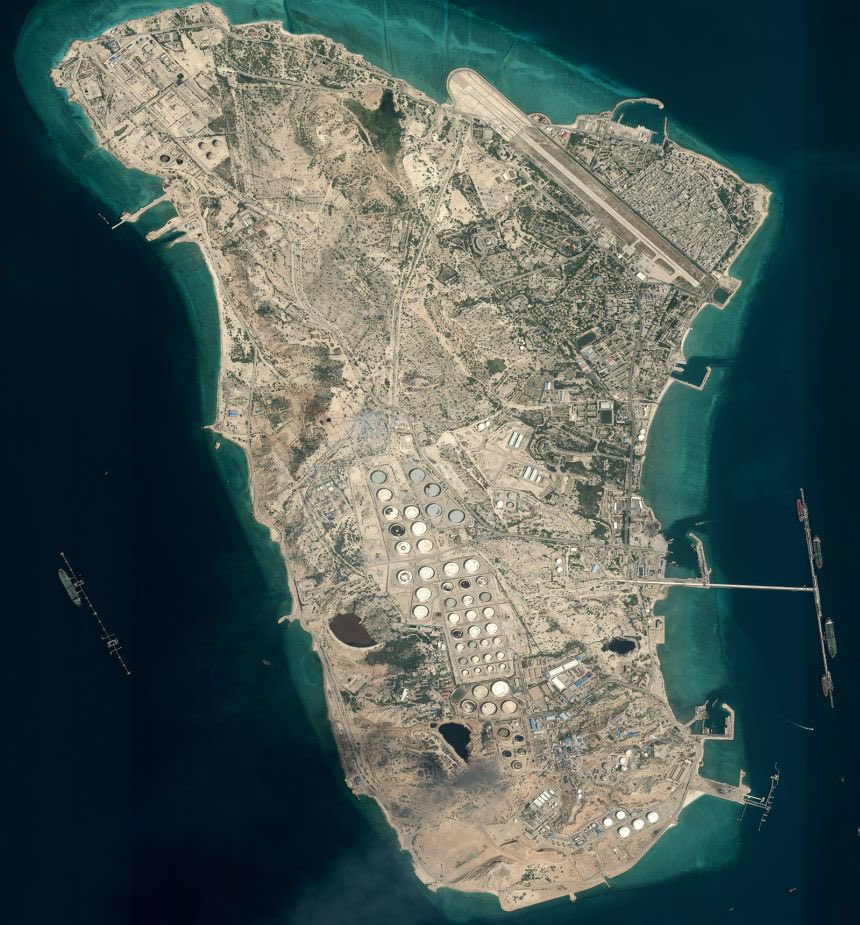
The administration of Donald Trump is reportedly weighing plans to seize or blockade Iran’s Kharg Island in an effort to force Tehran to reopen the strategic Strait of Hormuz, according to reports by Axios.
The proposal, still under consideration, is among the most aggressive options being reviewed as tensions escalate in the Gulf.
Kharg Island, located roughly 15 miles off Iran’s coast, handles about 90 percent of the country’s crude oil exports, making it a critical economic and strategic target. Sources familiar with the discussions said options include a full-scale military takeover, a naval blockade to halt exports, or sustained airstrikes to weaken Iranian defenses before any ground operation. Officials indicated such an operation would likely follow several weeks of intensified strikes to degrade Iran’s military capabilities.
Join our WhatsApp ChannelREAD ALSO : US Strikes 90 Iranian Military Targets, Trump Urges Allies to Protect Strait of Hormuz
How the Strait of Hormuz Threatens Global Medicine Supply
A growing U.S. military presence underscores the seriousness of the planning. Approximately 2,500 Marines are expected to arrive within days, with additional units also en route.
Recent U.S. airstrikes on Kharg Island targeted military sites and were described as both a warning to Tehran and a preparatory step for possible future operations.
Despite the buildup, Trump has publicly downplayed immediate troop deployments, saying he is “not putting troops anywhere” while not ruling out action.
Lawmakers and military analysts have expressed mixed views. Senator Tom Cotton said the president had been “prudent” in keeping options open, while retired Rear Admiral Mark Montgomery warned that seizing the island could expose U.S. forces to significant risk with uncertain gains. He suggested intensified strikes and naval escorts for commercial tankers as a less risky alternative.
The crisis has already disrupted global energy markets, pushing up oil prices and increasing shipping costs. While Kharg Island is central to Iran’s oil exports, experts caution that controlling it may not guarantee that Tehran will reopen the strait.
U.S. officials stress that all options remain under review as the administration weighs the military, legal, and strategic implications of any action.

Amanze Chinonye is a Staff Correspondent at Prime Business Africa, a rising star in the literary world, weaving captivating stories that transport readers to the vibrant landscapes of Nigeria and the rest of Africa. With a unique voice that blends with the newspaper's tradition and style, Chinonye's writing is a masterful exploration of the human condition, delving into themes of identity, culture, and social justice. Through her words, Chinonye paints vivid portraits of everyday African life, from the bustling markets of Nigeria's Lagos to the quiet villages of South Africa's countryside . With a keen eye for detail and a deep understanding of the complexities of Nigerian society, Chinonye's writing is both a testament to the country's rich cultural heritage and a powerful call to action for a brighter future. As a writer, Chinonye is a true storyteller, using her dexterity to educate, inspire, and uplift readers around the world.