 Amanze Chinonye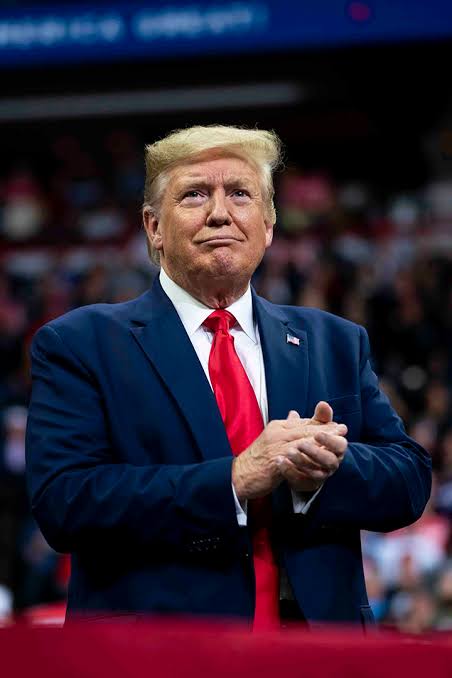
A drone strike near Dubai International Airport that ignited a large fire, along with fresh warnings from United States President Donald Trump to NATO allies, has highlighted the intensifying confrontation between Iran and U.S.–Israeli forces across the Gulf.
The incidents are part of a wider conflict that began after U.S. and Israeli airstrikes on Iran in late February, disrupting aviation, energy infrastructure, and regional security.
Drone Strike Disrupts Aviation and Regional Infrastructure
Authorities in the United Arab Emirates confirmed that a drone strike set fire to a fuel tank near Dubai International Airport, temporarily suspending flights at one of the world’s busiest aviation hubs. Some flights were diverted while emergency teams contained the blaze. Airport operations resumed later, though air traffic remained partially affected.
Join our WhatsApp ChannelThe strike is part of a broader wave of Iranian attacks on Gulf infrastructure since February 28, involving ballistic missiles, cruise missiles, and hundreds of drones targeting military and economic assets. At least six people have been killed and over 140 injured in the UAE from these strikes.
The conflict has also affected Gulf states hosting U.S. military facilities, including Qatar and Bahrain. Authorities have imposed airspace restrictions and security alerts amid fears of additional attacks on strategic sites, raising concerns for aviation, trade, and energy exports.
READ ALSO : Iran Warns UAE Civilians to Avoid Ports as Missile, Drone Attacks Escalate
Trump Presses Allies on Maritime Security
President Donald Trump has called on NATO allies to assist in securing shipping lanes through the Strait of Hormuz, a vital chokepoint for global energy supplies. He warned that failure to act could lead to a “very bad future” for the alliance.
The U.S. has proposed a multinational coalition including United Kingdom, France, Japan, South Korea, and China to escort commercial vessels through the strait. Early responses indicate limited participation, with Japan and Australia confirming they do not plan to deploy naval forces for the mission.
Analysts warn that any prolonged disruption in the Strait of Hormuz, which connects the Persian Gulf to global markets, could significantly affect oil and liquefied natural gas exports.
With attacks now impacting major aviation hubs, ports, and military installations, the crisis risks evolving into a broader geopolitical and economic emergency.

Amanze Chinonye is a Staff Correspondent at Prime Business Africa, a rising star in the literary world, weaving captivating stories that transport readers to the vibrant landscapes of Nigeria and the rest of Africa. With a unique voice that blends with the newspaper's tradition and style, Chinonye's writing is a masterful exploration of the human condition, delving into themes of identity, culture, and social justice. Through her words, Chinonye paints vivid portraits of everyday African life, from the bustling markets of Nigeria's Lagos to the quiet villages of South Africa's countryside . With a keen eye for detail and a deep understanding of the complexities of Nigerian society, Chinonye's writing is both a testament to the country's rich cultural heritage and a powerful call to action for a brighter future. As a writer, Chinonye is a true storyteller, using her dexterity to educate, inspire, and uplift readers around the world.




![Electricity Debt: Abuja DisCo Gives Final Disconnection Notice To 25 Govt Agencies [Full List]](https://www.primebusiness.africa/wp-content/uploads/2024/06/Abuja-Electricity-pole.jpg)