Kamsiyochukwu Mbamalu
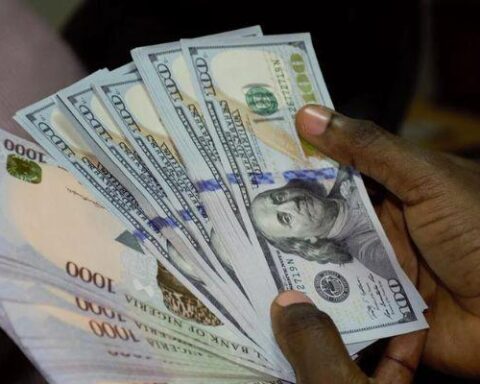
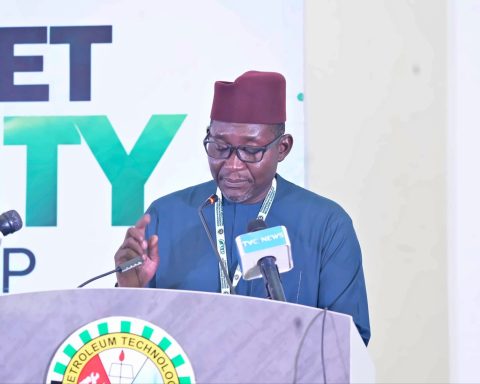
Nigeria’s fiscal performance has reached unprecedented heights, driven by a significant surge in non-oil revenues, Presidential spokesman, Bayo Onanuga, said on Wednesday.
The Presidency announced that the country’s non-oil collections have grown substantially, outpacing oil revenues and signaling a fundamental shift in the nation’s economic landscape.
Join our WhatsApp ChannelAccording to Onanuga, key highlights of the performance include:
- Record Revenue Collections: Nigeria has mobilized ₦20.59 trillion in eight months, with non-oil revenues accounting for ₦15.69 trillion, or three out of every four naira collected.
- Fiscal Independence: The Federal Government is no longer reliant on borrowing from local banks, underscoring the strength of the country’s fiscal position.
- Increased FAAC Disbursements: Monthly allocations to states and local governments have crossed ₦2 trillion for the first time, providing subnational governments with greater fiscal space to fund essential services and infrastructure projects.
Driving Factors
- Reforms and Digitization: The growth in non-oil revenues is primarily driven by reforms aimed at improving tax administration, strengthening compliance, and digitizing tax filings.
- Customs Overperformance: Customs collections have exceeded targets, with ₦3.68 trillion collected in the first half of the year, already 56% of the full-year goal.
Impact on Citizens
- Improved Infrastructure and Services: The increased revenue collections are expected to translate into better infrastructure, healthcare, education, and job opportunities for citizens.
- Food Security and Social Services: States now have more resources to fund food security initiatives and social services, improving the overall quality of life for Nigerians.