 Amanze Chinonye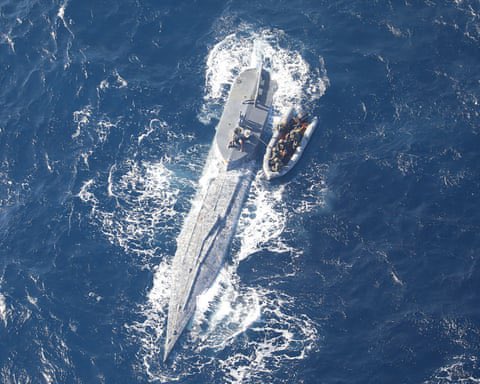
The United States has issued fresh maritime guidance urging American-flagged commercial vessels to avoid Iran’s territorial waters while transiting the strategic Strait of Hormuz, following the harassment of a U.S.-linked ship in the busy oil corridor last week.
The advisory, issued by the U.S. Maritime Administration (MARAD), recommends that U.S.-flagged ships remain “as far as safely possible” from Iranian waters and, where feasible, navigate closer to Oman’s side of the strait. The guidance is expected to remain in force for six months.
U.S. officials said the warning was prompted by an incident on February 3, when a U.S.-flagged oil tanker was approached by Iranian naval vessels in the strait north of Oman. Maritime security sources said the Iranian boats ordered the tanker to stop and prepare for boarding. The vessel did not comply and was later escorted by a U.S. warship as it continued its transit.
Join our WhatsApp ChannelWashington described the encounter as harassment and said it reflected ongoing risks faced by commercial shipping in the region. Iranian authorities, however, have previously claimed that some vessels challenged by their forces had entered Iranian waters without authorisation, an assertion disputed by U.S. officials in this case.
READ ALSO : Molar Vessels Reduces Stake In Caverton Offshore By 6.84% After Taking Out N118.72m
Iran Widens Crackdown, Arrests Key Reformist Leaders
Under the new guidance, U.S. ship captains are advised to verbally decline any requests from Iranian forces to board their vessels, citing international maritime law, while avoiding any actions that could escalate tensions. The advisory also cautions crews not to resist forcibly if boarding occurs, prioritising safety.
The Strait of Hormuz is one of the world’s most critical maritime chokepoints, with roughly a fifth of global oil consumption passing through it each day. Any disruption to traffic in the narrow waterway, which links the Persian Gulf to the Gulf of Oman and the Arabian Sea, has the potential to affect global energy markets.
The warning comes amid persistent tensions between the United States and Iran over regional security, sanctions and Iran’s nuclear programme, with the Gulf region seeing repeated incidents involving Western-linked vessels in recent years.
U.S. officials said the latest advisory is intended to reduce the risk of confrontation, protect commercial crews and ensure the continued flow of international shipping through the vital oil corridor.

Amanze Chinonye is a Staff Correspondent at Prime Business Africa, a rising star in the literary world, weaving captivating stories that transport readers to the vibrant landscapes of Nigeria and the rest of Africa. With a unique voice that blends with the newspaper's tradition and style, Chinonye's writing is a masterful exploration of the human condition, delving into themes of identity, culture, and social justice. Through her words, Chinonye paints vivid portraits of everyday African life, from the bustling markets of Nigeria's Lagos to the quiet villages of South Africa's countryside . With a keen eye for detail and a deep understanding of the complexities of Nigerian society, Chinonye's writing is both a testament to the country's rich cultural heritage and a powerful call to action for a brighter future. As a writer, Chinonye is a true storyteller, using her dexterity to educate, inspire, and uplift readers around the world.