 Prosper Okoye
Nigeria’s newly nominated ambassadors face possible delays or rejection by host countries as the government struggles to secure diplomatic approval for their postings less than two years before the end of President Bola Tinubu’s first term, according to senior officials in the presidency and the foreign service.
Under international diplomatic rules, a receiving country must grant formal consent, known as agrément, before an ambassador can be accredited. Officials said several countries require ambassadors to serve for at least one or two years, a condition that could complicate Nigeria’s current nominations ahead of the 2027 general election.
Tinubu’s first term ends in May 2027, with elections scheduled for February of that year.
A senior foreign service official, who spoke on condition of anonymity because of the sensitivity of the matter, said some countries may hesitate to approve envoys whose tenure would be short.
“By the time some of these nominees receive their agrément, they may only have a few months left,” the official said. “Many countries want at least one or two years tied to the administration that is sending the ambassador.”
Career diplomats typically serve about three years per posting.
Nigeria recalled its ambassadors from 109 missions in September 2023 as part of a review of foreign policy, leaving most diplomatic missions without permanent heads for more than two years. Tinubu submitted the first batch of new nominees to the Senate in November 2025, followed by additional names days later.
At least 67 people have been nominated so far.
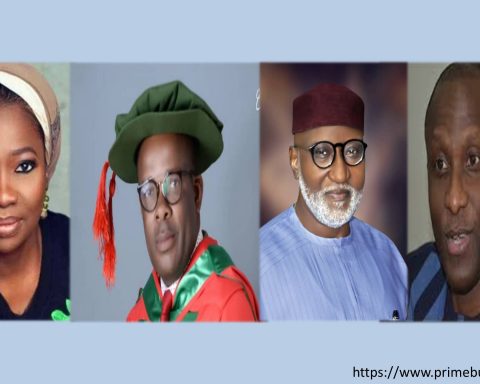
In January 2026, Tinubu confirmed postings for three nominees: Ayodele Oke to France, Lateef Are to the United States and Amin Dalhatu to the United Kingdom. Other nominees are expected to be sent to China, India, the United Arab Emirates, Qatar, South Africa and multilateral organizations including the United Nations and the African Union.
Foreign ministry officials said the delay in nominations and the time required for background checks, training and diplomatic clearance could mean some ambassadors may not assume duty until mid-2026, leaving them with less than a year before the next election.
“When you send a name, some countries will take months to respond or may even ask for a replacement after background checks,” one official said. “It is a long process.”
A presidency official confirmed that the Ministry of Foreign Affairs is handling the requests for agrément and said postings will not be announced until host countries give approval.
“We cannot say someone is going to a country until that country accepts,” the official said.
Former Nigerian ambassador to Singapore, Ogbole Amedu-Ode, said host countries were acting pragmatically by factoring Nigeria’s political calendar into their decisions.
“They are looking at an envoy from a president who faces an election in about a year,” he said. “They may delay issuing an agrément because elections can change everything.”
Amedu-Ode said the government should have nominated ambassadors earlier in Tinubu’s term to avoid the problem.
Former ambassador to Algeria Mohammed Mabdul said outright rejection of Nigerian nominees was unlikely, particularly by friendly countries, but noted that political appointees could face more scrutiny because they are usually expected to serve longer terms.
Nigeria’s foreign missions have been without ambassadors since September 2023, prompting warnings from critics that the country risks losing diplomatic influence.
Foreign Minister Yusuf Tuggar has attributed the delays to funding constraints, currency fluctuations and the government’s focus on domestic economic reforms.

Prosper Okoye is a Correspondent and Research Writer at Prime Business Africa, a Nigerian journalist with experience in development reporting, public affairs, and policy-focused storytelling across Africa