 Amanze Chinonye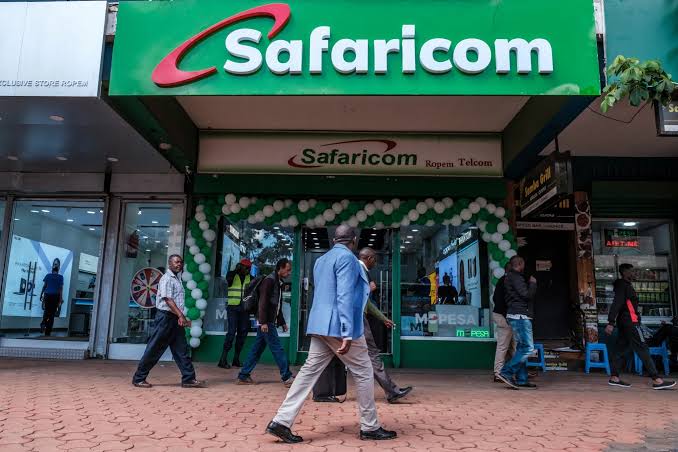
From August, selling a loaf of bread or a bundle of sukuma wiki just got cheaper.
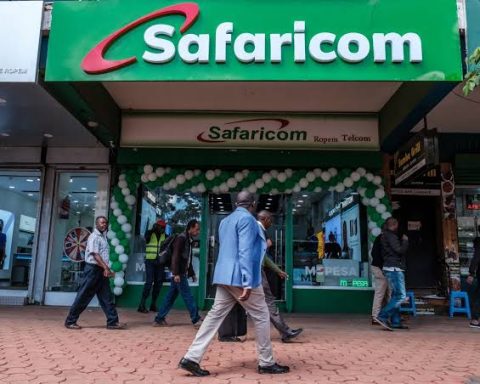
Safaricom has announced major cuts to M-PESA merchant charges, a move set to put more money directly into the pockets of Kenya’s 7+ million small businesses and accelerate the country’s march to a fully cashless economy.
READ ALSO: Enhancing Digital Transformation: Innovations and Obstacles in East Africa
Join our WhatsApp ChannelThe tariff reductions, effective August 1-7, target the businesses that power Kenya’s economy: kiosks, boda bodas, salons, and market traders who live on thin margins and frequent, low-value sales.
What’s Changing and Why It Mattsale
Under Pochi la Biashara, customers paying up to KSh200 will pay zero fees for 90 days from August 1.
For Lipa na M-PESA Buy Goods, the free threshold doubles from KSh200 to KSh500 from August 7.
A trader who previously lost KSh10-KSh20 per small sale can now keep 100% of payments under KSh500. For businesses doing 50+ transactions a day, that’s thousands of shillings saved monthly. It removes the biggest barrier to going cashless: “the fee is bigger than my profit.”
M-PESA Business Till transfer charges drop by up to 50%.
Business owners can now move money from their till to pay suppliers, stock, or rent without being penalized. Better cash flow means more stock, more growth, fewer loans.
Pochi la Biashara gives traders transaction records, separation of personal/business money, and access to credit.
With lower costs, more informal traders will enter the digital system. That means verifiable income for loans, better financial planning, and more tax revenue to fund public services.
Why This Matters for Kenya
Kenya pioneered mobile money with M-PESA. But high fees on small transactions have kept millions of micro-traders tethered to cash.
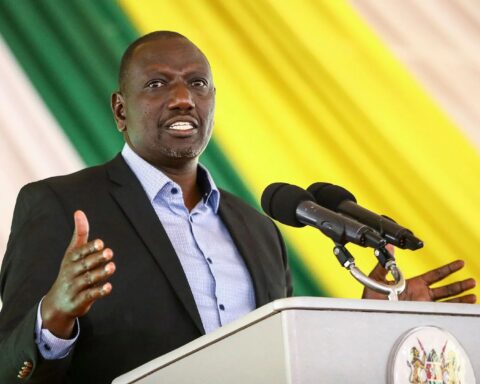
By cutting fees, Safaricom is betting that volume will beat margin. More transactions, more data, more businesses in the formal system. It directly supports President Ruto’s agenda to digitize government payments and support MSMEs, which employ over 80% of Kenyans.
Why This Matters for Africa
Kenya’s move sets a precedent. Across Africa, mobile money is the backbone of financial inclusion, but transaction costs remain the #1 complaint from traders in Nigeria, Ghana, Tanzania, and Uganda.
If Safaricom can prove that lower fees drive massive adoption and profitability, expect other telcos and fintechs across the continent to follow. Cheaper digital payments = faster progress on Africa’s $1.5 trillion informal economy coming online.
“This is about making digital payments affordable for the hustler,” Safaricom said. “When it’s cheaper to pay digitally than with cash, the whole economy wins.”
The cuts come as digital payment providers globally race to win small businesses. In Africa, the winner will be the platform that makes cashless the easiest and cheapest option.
For Kenya’s trader on the street, it means more profit per sale. For Africa, it’s proof that lowering the cost of digital finance is the fastest way to bank the next 400 million people.

Amanze Chinonye is a Staff Correspondent at Prime Business Africa, a rising star in the literary world, weaving captivating stories that transport readers to the vibrant landscapes of Nigeria and the rest of Africa. With a unique voice that blends with the newspaper's tradition and style, Chinonye's writing is a masterful exploration of the human condition, delving into themes of identity, culture, and social justice. Through her words, Chinonye paints vivid portraits of everyday African life, from the bustling markets of Nigeria's Lagos to the quiet villages of South Africa's countryside . With a keen eye for detail and a deep understanding of the complexities of Nigerian society, Chinonye's writing is both a testament to the country's rich cultural heritage and a powerful call to action for a brighter future. As a writer, Chinonye is a true storyteller, using her dexterity to educate, inspire, and uplift readers around the world.