 MARCEL MBAMALU
The return of the Oyo schoolchildren abducted on 15 May 2026, after 56 days in captivity, was a moment of relief for their families and millions of Nigerians who followed their ordeal. After weeks of uncertainty and fear, seeing the children and their teachers return alive was a development that deserved gratitude and commendation.
But amid the relief, an uncomfortable truth must not be ignored. Speaking on behalf of the rescued victims, the principal of Community High School, Ahoro-Esiele, Rachael Alamu, who was also abducted, said they endured fear, uncertainty and psychological trauma throughout their 56 days in captivity.
Join our WhatsApp ChannelShe said they gradually lost hope after two teachers were killed following the abduction, including Michael Oyedokun, whose beheading was later circulated in a viral video by the abductors, apparently in an attempt to pressure authorities into meeting their demands.
Currently, it seems the deaths of the teachers and the suffering endured by the other victims of the attack have gradually disappeared beneath the relief of the survivors’ return. But should a tragedy of this magnitude be measured only by the number of people brought home alive, or should it also be judged by the answers provided after the crisis?
After the victims returned, Oyo State Governor Seyi Makinde called for an investigation into the abduction and has since set up a Judicial Commission of Inquiry. “For seven years, we didn’t witness anything like this in Oyo State,” he said. Aside from his political ambition, however, legitimate questions about the abduction remain unanswered.
READ ALSO: Oyo Takes Delivery of ₦7.76bn Surveillance Aircraft to Strengthen Security Operations
Mr Makinde argued that the incident required scrutiny beyond official assurances. He described the circumstances as “sufficiently grave and unusual” to warrant an independent review aimed at identifying lessons, addressing possible gaps and preventing similar tragedies. Yet the Senate rejected the proposal and urged Nigerian authorities to conclude their investigations.
But is Nigeria’s security challenge truly only an internal matter? Nigeria has repeatedly relied on international partnerships, including the December 2025 coordinated strike with the United States against ISIS linked targets in Sokoto State. Yet many details of that operation remain unclear. If international cooperation is acceptable against security threats, why should independent scrutiny become controversial after a school abduction? What would it cost the government to clarify these concerns and allow an independent review?
Beyond the rescue videos: The questions behind the operation
No doubt, the government released videos after the return of the children. Yet those materials appeared to focus largely on celebrating the outcome of the operation. The victims were shown expressing gratitude to the government and security agencies, creating the impression that the dominant message was the success of the rescue rather than the suffering of those who had endured 56 days in captivity.
For children and teachers who had lived through fear, uncertainty and psychological trauma in the hands of their abductors, the public presentation raised an uncomfortable question. Was sufficient attention given to their ordeal, recovery and dignity, or did the celebration of the rescue overshadow the experience of the victims themselves?
After all, rescuing citizens from captivity is not a favour performed by the government. It is one of the fundamental responsibilities of the state. Also, Beyond the praise and public celebration, the communication did not fully explain the sequence of events that led to the victims’ return.
The General Officer Commanding (GOC) 2 Division of the Nigerian Army, Chinedu Ralph-Nnebeife, said troops moved into the forest immediately after receiving reports of the abduction but encountered significant operational challenges because of the difficult terrain. The GOC said the operation was later expanded through the deployment of special forces and coordination with the Office of the National Security Adviser, Defence Headquarters and other security formations.
A later video released by the military presented the rescue as a carefully planned operation involving multiple agencies. Yet those videos were not simply a documentation of events as they happened. They were carefully produced materials with narration and a deliberate storyline.
What exactly happened during the final stage of the operation? How were the children and their teachers located? Who first made contact with them? Were they found through a military operation, released by their abductors, or did events unfold through a combination of different efforts?
These questions became more significant after a rescued teacher, Zacchaeus Olatunde, gave an account that appeared to describe a different sequence of events. Unlike the official account, which focused on the broader operation and the involvement of multiple security agencies, the teacher provided specific details about how the victims moved from captivity to the point where they met those who took them home.
According to Mr Olatunde, “We trekked for about 40 minutes to one hour before they provided motorcycles that took us close to the nearest village. They later stopped and told us they could not go further, so we trekked for another one and a half hours before we got to where the government people who came to rescue us were.” He further described their uncertainty when they encountered those who came to take them home.
“When we saw the buses, we were afraid because the people were speaking Hausa. We even asked them to show us their identity cards. They kept assuring us that the government sent them.”
More concerning, he said: “The buses had no number plates and had Arabic inscriptions.”
Although the teacher’s account does not, by itself, settle the question of what happened during the rescue operation, the level of detail in his narration appears to raise further questions about the exact sequence of events and how it aligns with the official explanation provided by security authorities.
Beyond the questions surrounding how the children regained their freedom is another concern: how they were presented to the public after their return. The government had a responsibility to inform Nigerians that the children had been rescued. However, that responsibility also required consideration of how to protect children who had just survived a traumatic experience. Their faces were displayed publicly without measures such as blurring or other forms of protection that could have reduced the possibility of long term identification.
For children who have survived kidnapping, public exposure carries consequences that may extend beyond the immediate moment of celebration. Years from now, they may encounter images and videos of themselves online and be reminded that they were once victims of a traumatic crime.
The question is not whether Nigerians should have known that the children were rescued. The question is whether their dignity, privacy and future wellbeing were given the same attention as the government’s desire to communicate the success of the operation. Instead of centering the children’s recovery and protecting them from the burden of public identification, the communication appeared to focus heavily on gratitude towards the government and President Bola Tinubu’s administration.
Section 11 of the Child Rights Act states that every child is entitled to respect for their dignity and protection from treatment that undermines their wellbeing. In an era where digital content can remain accessible indefinitely, the decision to publicly identify vulnerable children who have survived trauma requires careful justification.
What happened to other abducted children? Rescued or released?
The questions surrounding the Oyo abduction should not end with the victims’ return. Other families are still waiting for answers. Around the same period, suspected Boko Haram/ISWAP terrorists abducted about 42 children from Mussa Primary and Junior Secondary School and nearby homes in Askira-UbaLocal Government Area of Borno State, according to community leaders and Senator Ali Ndume.
Unlike the Oyo case, where the government released videos and explained the victims’ return, Nigerians still do not know whether the Mussa children were rescued, released or how many have been accounted for. Every child taken from a classroom represents a failure of protection, and every affected family deserves answers.
The same question also remains in Oyo: were the children rescued, released, or both? Section 14(2)(b) of the Constitution makes the security and welfare of the people the primary purpose of government.
That duty requires not only bringing victims home but also explaining what happened, identifying gaps, preventing future attacks and strengthening public confidence in the institutions responsible for citizens’ safety.

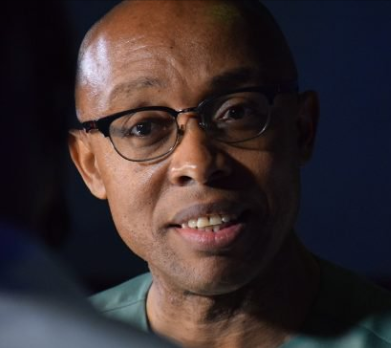
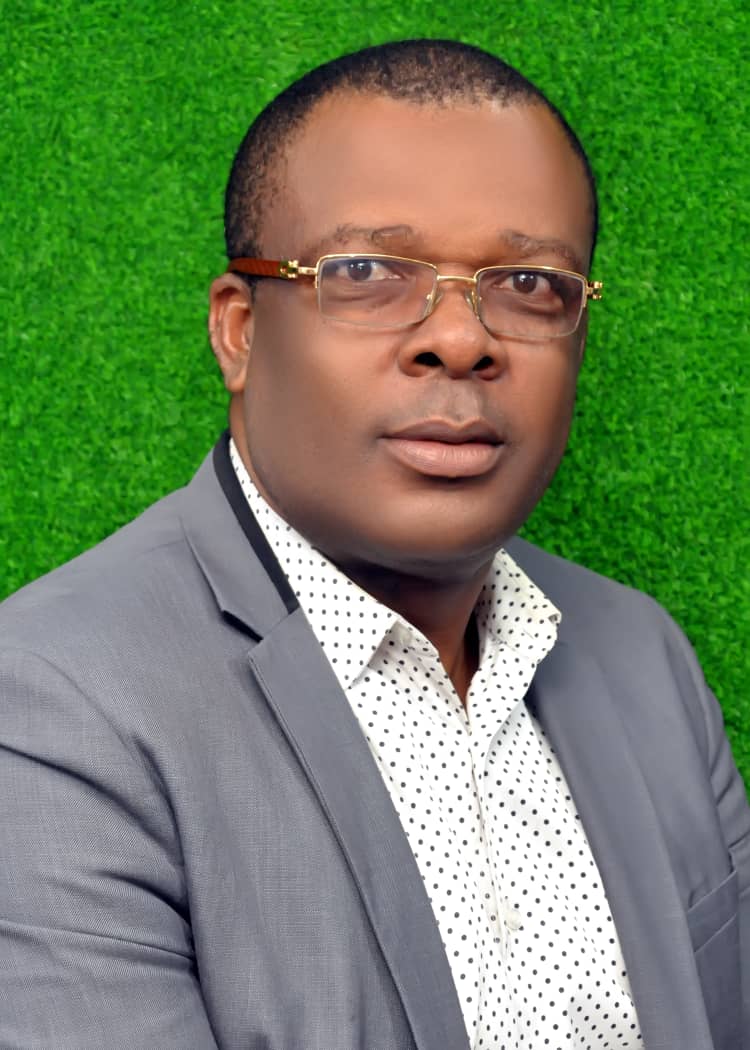
Dr. Marcel Mbamalu is a distinguished communication scholar, journalist, and entrepreneur with three decades of experience in the media industry. He holds a Ph.D. in Mass Communication from the University of Nigeria, Nsukka, and serves as the publisher of Prime Business Africa, a renowned multimedia news platform catering to Nigeria and Africa's socio-economic needs.
Dr. Mbamalu's journalism career spans over two decades, during which he honed his skills at The Guardian Newspaper, rising to the position of senior editor. Notably, between 2018 and 2023, he collaborated with the World Health Organization (WHO) in Northeast Nigeria, training senior journalists on conflict reporting and health journalism.
Dr. Mbamalu's expertise has earned him international recognition. He was the sole African representative at the 2023 Jefferson Fellowship program, participating in a study tour of the United States and Asia (Japan and Hong Kong) on inclusion, income gaps, and migration issues.
In 2020, he was part of a global media team that covered the United States presidential election.
Dr. Mbamalu has attended prestigious media trainings, including the Bloomberg Financial Journalism Training and the Reuters/AfDB Training on "Effective Coverage of Infrastructural Development in Africa."
As a columnist for The Punch Newspaper, with insightful articles published in other prominent Nigerian dailies, including ThisDay, Leadership, The Sun, and The Guardian, Dr. Mbamalu regularly provides in-depth analysis on socio-political and economic issues.