 Amanze Chinonye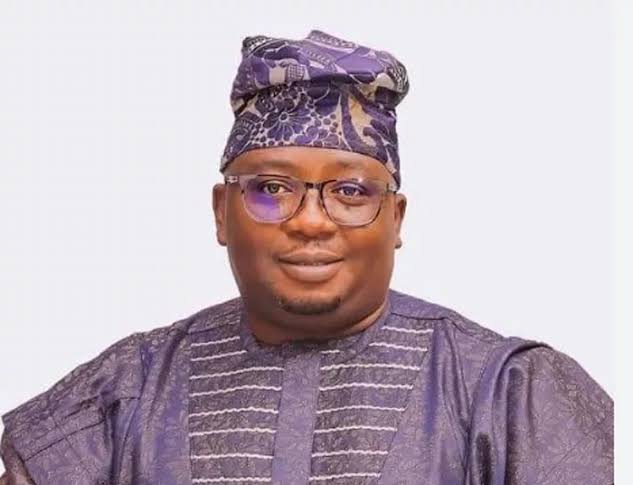
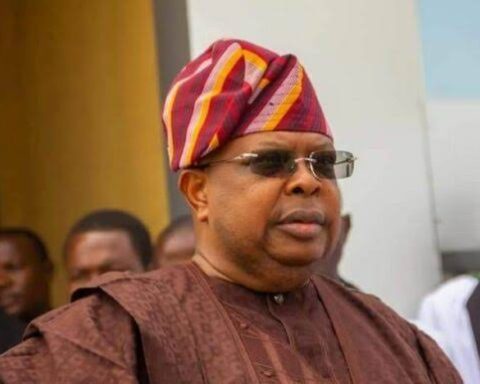
Nigeria’s Minister of Power, Adebayo Adelabu, has formally apologised to Nigerians for the ongoing electricity shortages that have disrupted homes, businesses, schools, and industries across the country.
Speaking on Tuesday in Abuja, he assured that measures are being taken to restore stable power, with improvements expected within the next two weeks.
Adelabu described the recent outages as a “temporary but serious challenge,” acknowledging their impact during the current dry season, when rising temperatures have increased demand for electricity, particularly for cooling.
Join our WhatsApp Channel“This situation has caused significant hardship for citizens and enterprises alike,” he said. “I want to apologise to Nigerians, officially, for the inconvenience caused by these outages.”
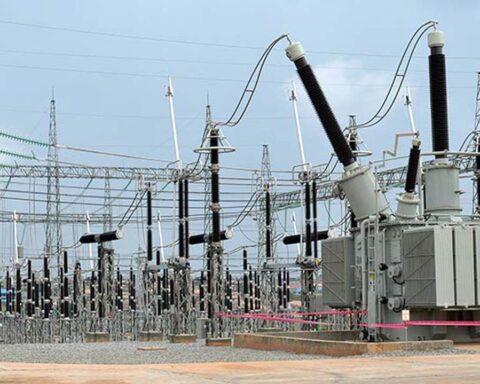
The minister attributed the power disruptions to gas supply shortages for thermal power plants, exacerbated by ongoing pipeline maintenance, infrastructure limitations, and liquidity constraints in the energy sector. He also highlighted issues with compliance by gas producers regarding domestic supply obligations.
To tackle these challenges, the Federal Government has formed a special committee to monitor gas supply commitments and oversee the repair of critical pipelines.
READ ALSO : GenCos Shut Down Plants Over N6.8tn Debt, Worsening Nigeria’s Power Crisis
Nigeria Power Output Falls Below 4,000 MW Amid Gas Shortages
Adelabu said that key repairs, including those at Seplat Energy facilities, are now on track and are expected to restore gas flow to power stations soon.
He emphasised that improving payment flows to gas suppliers would further incentivise consistent supply, boosting generation, transmission, and distribution. “With these measures, we are confident electricity supply will begin improving within two weeks,” the minister stated.
Adelabu reiterated the government’s medium-term goals, including restoring electricity generation to 2025 levels and reaching a target of 6,000 megawatts by the end of 2026. “Our ambition is not only to recover lost ground but to exceed past performance. If we delivered well in 2025, we intend to do even better this year,” he said.
Nigeria’s electricity sector has long been hampered by structural and operational weaknesses, including ageing infrastructure, gas supply constraints, and recurring financial challenges.
Analysts say that while the minister’s apology and outlined interventions are steps in the right direction, the grid remains highly vulnerable and will require sustained reform to ensure reliability.
As Nigerians continue to face erratic power supply, all eyes will be on the next two weeks to see whether the government’s promises translate into tangible improvements for households and businesses across the country.

Amanze Chinonye is a Staff Correspondent at Prime Business Africa, a rising star in the literary world, weaving captivating stories that transport readers to the vibrant landscapes of Nigeria and the rest of Africa. With a unique voice that blends with the newspaper's tradition and style, Chinonye's writing is a masterful exploration of the human condition, delving into themes of identity, culture, and social justice. Through her words, Chinonye paints vivid portraits of everyday African life, from the bustling markets of Nigeria's Lagos to the quiet villages of South Africa's countryside . With a keen eye for detail and a deep understanding of the complexities of Nigerian society, Chinonye's writing is both a testament to the country's rich cultural heritage and a powerful call to action for a brighter future. As a writer, Chinonye is a true storyteller, using her dexterity to educate, inspire, and uplift readers around the world.