 Emmanuel Ochayi
The Nigerian equity market ended in negative territory on Thursday as cautious investor sentiment persisted, with little optimism driving stock prices.
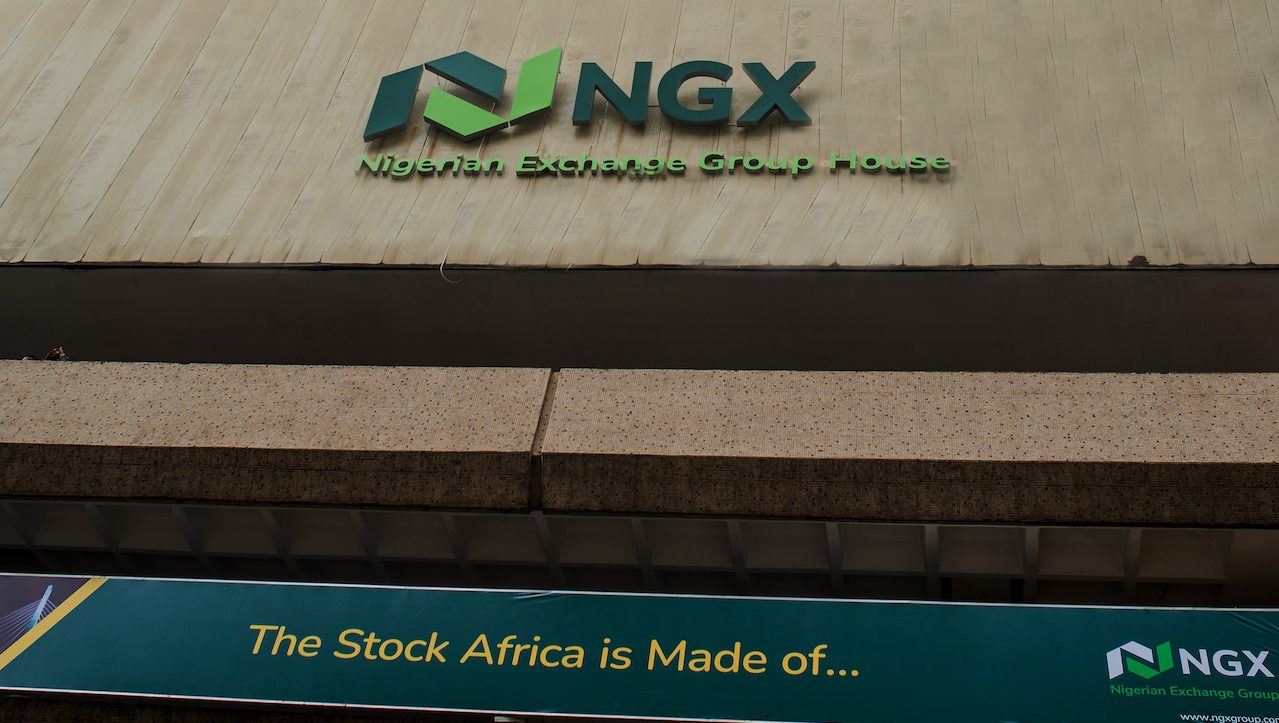
The Nigerian Exchange Limited (NGX) saw a downturn in trading activity, as stocks like Oando, RT Briscoe, and FTN Cocoa experienced declines, while others, such as Berger Paints and Meyer, showed positive movement.
Join our WhatsApp ChannelDecline in Equity Market Performance
Despite a promising start to the month, the equity market has seen two consecutive days of declines. Investors lost approximately N188 billion on Thursday, as the NGX All-Share Index (ASI) decreased by 0.34%, lowering the year-to-date (YTD) return to +28.67%.
This decline followed a reduction in the ASI and Market Capitalization from Wednesday’s highs of 96,537.48 points and N55.453 trillion, respectively, to 96,210.2 points and N55.265 trillion.
According to a market analyst, “The decline in the equity market was expected, considering the current economic climate. Many investors are shifting their focus to fixed-income instruments, which offer more stability in these uncertain times.”
READ ALSO: Nigeria’s Equity Market Declines By 0.35%, Investors Take Profit In Major Stocks
Key Stocks and Movements
Among the key stocks that dragged the market down, RT Briscoe decreased from N2.60 to N2.34, recording a 10% loss.
FTN Cocoa dropped from N1.53 to N1.38, losing 9.80%, while Oando also saw a significant dip, dropping from N81.90 to N74, a decrease of 9.65%.
One investor noted, “There’s been a lot of movement towards fixed income recently, and it’s reflected in how certain stocks are performing. People are being careful with where they put their money.”
Meanwhile, stocks like Berger Paints and Meyer saw positive demand, showing that investors are still looking for opportunities within the equity market.
In total, investors exchanged 388,616,945 shares worth N9.565 billion in 9,897 deals on Thursday.
Pressure from Fixed Income Instruments
The pressure on the equity market is largely driven by investor interest in fixed-income instruments, which offer more predictable returns compared to the equity market.
With yields on these instruments remaining attractive, many investors are pulling out of stocks to capitalize on the more stable opportunities available in bonds and treasury bills.
An NGX market participant shared, “As long as fixed-income yields remain competitive, we’ll likely see this trend continue. Investors want to minimize risk, and fixed-income provides a safer haven than equities, especially in a volatile market.”
Outlook for the Equity Market
Despite the downturn, analysts remain cautiously optimistic about the Nigerian market in the medium to long term. They believe that once positive economic triggers return—such as improvements in fiscal policies or external market conditions—investor confidence could rebound.
“We’re still looking for positive signals from the government and economic factors that can drive growth in the equity market,” said another financial expert. “Until we see more of these, it’s likely the market will remain subdued.”
In the meantime, traders are keeping a close watch on market trends, with the hope that favorable developments could turn things around.
However, for now, the equity market remains under pressure, with investors opting for safer investment options.
The Nigerian equity market faces continued pressure from cautious investors, with many choosing fixed income over stocks.
Thursday’s trading session highlights this shift, with major stocks declining and a general decrease in market activity. As investors await positive economic indicators, the equity market is likely to experience further fluctuations.