FCCPC’s Price Control Ultimatum Sparks Controversy Among Traders and Consumers
In a move that has stirred heated debate, the Federal Competition and Consumer Protection Commission (FCCPC) has issued a one-month ultimatum to traders and market stakeholders involved in exploitative pricing practices, demanding they reduce prices or face penalties.
The directive, announced by the FCCPC’s newly appointed Executive Vice Chairman, Tunji Bello, aims to curb the rising costs of goods and services in Nigeria, which have been a major concern for consumers.
Join our WhatsApp ChannelBello, speaking at a stakeholders’ engagement on exploitative pricing in Abuja, highlighted the alarming trend of unreasonable pricing in the market. He pointed to a glaring example: a fruit blender known as “Ninja,” which sells for $89 (around N140,000) in Texas, USA, but is priced at a staggering N944,999 in a supermarket on Victoria Island, Lagos.
“This arbitrary price hike is a serious threat to our economy’s stability,” Bello stated. “We cannot allow such exploitative practices to continue unchecked.”
FCCPC’s One-Month Moratorium: A Call for Patriotism or a Punitive Measure?
The FCCPC’s investigation into the excessive pricing of consumer goods has raised concerns about the economic implications of such practices. Under Section 155 of the FCCPC Act, violators—whether individuals or corporate entities—could face severe penalties, including substantial fines and imprisonment if found guilty by the court.
However, Bello emphasized that the current approach is not meant to be punitive but rather a call for patriotism and cooperation among stakeholders.
“Our approach today is not punitive,” Bello explained. “We are giving a one-month moratorium in the spirit of patriotism and cooperation. I urge all stakeholders to embrace this opportunity to adjust their prices before the Commission begins firm enforcement in October.”
Traders Respond to FCCPC’s Ultimatum: “Prices Reflect Our Realities”
The FCCPC’s directive has drawn mixed reactions from market stakeholders, who argue that the rising prices of goods and services are not solely within their control. Many traders attribute the high prices to factors such as increased transportation costs, multiple taxation, and high import duties.
“The cost of transporting goods has skyrocketed,” said Emmanuel Odugwu, a trader from Kugbo Spare Parts market. “It used to cost N450,000 to transport a trailer load of tyres from Lagos to Abuja, but now it’s over one million naira. These costs inevitably reflect in the prices we set.”
READ ALSO: Nigerians Groan As Price Of Cooking Gas Rises 16.7% To N1,400/kg In 1 Month
Ifeanyi Okonkwo, chairman of the National Association of Nigerian Traders, FCT Chapter, suggested the formation of a task force to involve traders in enforcement efforts, arguing that a collaborative approach is necessary for effective implementation.
Inflation Trends: A Mixed Bag for Consumers
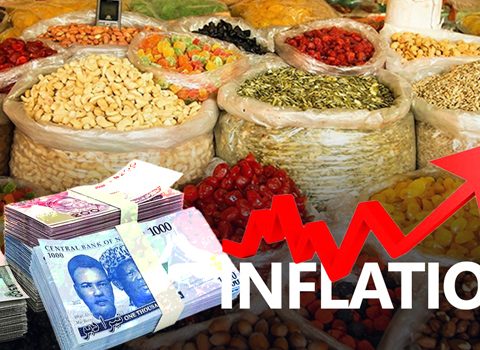
The National Bureau of Statistics (NBS) recently reported a slight decrease in Nigeria’s headline inflation rate, which dropped to 33.40% in July from 34.19% in June. Food inflation also saw a minor decrease, falling to 39.53% in July from 40.8% in June. This news offered a glimmer of hope for many Nigerians, particularly those struggling with the high cost of living.
Despite this, the prices of essential food items remain a significant concern for consumers. While some items, like tomatoes and garri, have seen a price reduction, others, such as rice, beans, and bread, have remained high or even increased.
“The figures don’t reflect what I’m seeing in the market,” said Adenike, a mother of three in Lagos. “The price of beans, bread, and rice has gone up again. It’s becoming increasingly difficult to put food on the table.”
These sentiments are echoed by market traders and consumers across the country. Although some items have experienced a slight price reduction, the overall cost of a food basket remains exorbitant for many families.
Economists Weigh In: What’s Driving Prices?
Economists and analysts have offered various explanations for the fluctuating inflation rates and persistently high prices. Some attribute the recent decline in inflation to seasonal factors, such as increased agricultural production. Others point to government policies and exchange rate stability as contributing factors.
“It is a reality that prices of tomatoes, pepper, and some other vegetables have dropped,” said Abiodun Olorundero, managing partner at Prasino Farms. “However, the prices of staples like rice and bread remain high, and this is unlikely to change soon.”
Olorundero cautioned that the recent decline in inflation rates might be short-lived, citing unfavourable weather conditions and infrastructural challenges as ongoing issues that could lead to further price hikes.
“The government’s new policy of zero import duty and VAT exemption on basic food items might not be as effective as hoped,” Olorundero warned. “The policy’s conditions, such as limiting imports to paddy rather than processed rice, could hinder its impact on rice prices. Additionally, the ongoing challenges of high energy costs, foreign exchange volatility, and increased labor expenses due to the minimum wage hike will likely continue to exert inflationary pressures.”
A Path Forward?
As the FCCPC’s ultimatum looms, traders and consumers alike are left to ponder the future of prices in Nigeria.
While the Commission’s intentions are clear, the complexities of the market mean that simple solutions may be elusive.
Whether the FCCPC’s directive will lead to a significant reduction in prices or simply add another layer of controversy to the ongoing debate remains to be seen.

Emmanuel Ochayi is a journalist. He is a graduate of the University of Lagos, School of first choice and the nations pride. Emmanuel is keen on exploring writing angles in different areas, including Business, climate change, politics, Education, and others.