Queen Nwabueze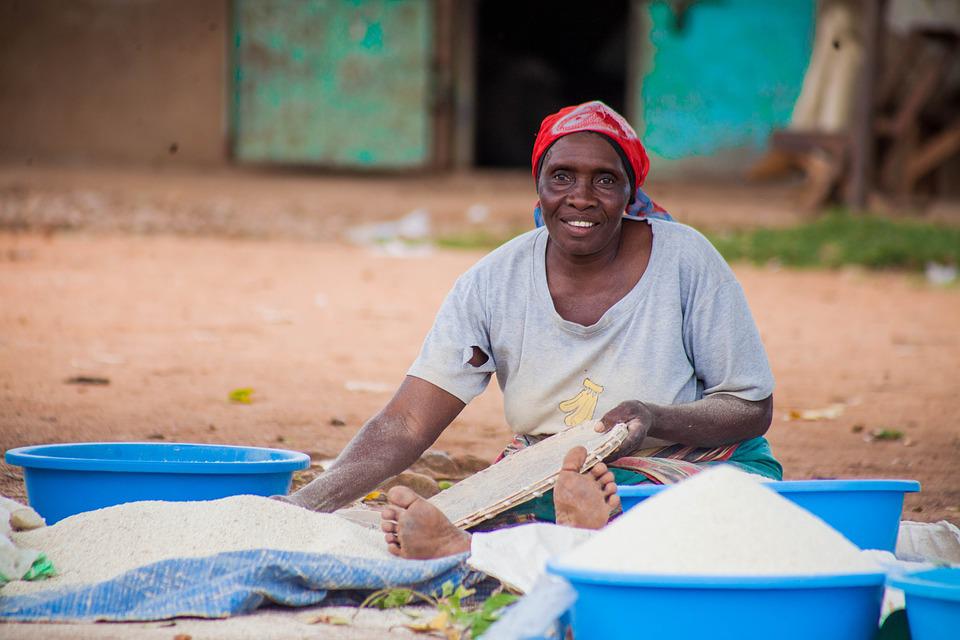
The African Development Bank (AfDB) has announced that the bank prioritised Nigeria under its latest emergency food plan.
The president, African Development Bank , Akinwumi Adesina, reportedly met with Nigerian President Muhammadu Buhari in Abuja just recently to discuss the impact of the Russia-Ukraine war and the Bank’s strategy to avoid a food crisis in Africa.
Adesina then informed President Buhari that the AfDB has designed a $1.5 billion Africa Emergency Food Production Plan to support countries to help produce around 38 million tonnes of food and mitigate the effect of the war on food prices.
Join our WhatsApp ChannelThe emergency food plan included “…11 million tonnes of wheat; 18 million tonnes of maize; 6 million tonnes of rice; and 2.5 million tonnes of soybeans.”
Adesina stressed that Nigeria is a top priority under the emergency food production plan, adding that the strategy will help the country produce 9.5 million tonnes of food.
“The initiative will support the country’s 5 million smallholder farmers during the wet season of 2022 and 1 million across 10 northern states during the dry season of 2022/2023,” the Bank chief estimated.
Reacting, President Buhari said his government was committed to encouraging farmers to increase yields and ensure there is adequate food supply in Nigeria.
The Nigerian President commended the African Development Bank for the plan to “swiftly and boldly” mitigate the impact of the Russia-Ukraine war on food supplies.
Russia and Ukraine dominate exports of wheat and maize to Africa. With the disruption of supplies arising from the war, Africa now faces a shortage of at least 30 million metric tons of food, especially for wheat, maize, and soybeans imported from both countries.
Official figures estimate that the price of wheat has soared in Africa by over 45% since the war began. Fertilizer prices have gone up by 300%, and the continent faces a fertilizer shortage of 2 million metric tons. If this is not made up, food production in Africa will decline by 20% and the continent could lose over $11 billion in value of food production.
The African Development Bank’s emergency food plan is currently before the Bank’s Board of Directors for approval. It is set for implementation by the end of May 2022 and will cover all African member countries of the Bank.
The African Development Bank is also supporting Nigeria in establishing Special Agro-Industrial Processing Zones (SAPZ), which the Nigerian president is due to launch soon.
Both parties agreed that putting the African Development Bank’s emergency food plan and SAPZ initiatives into action in Nigeria, which is Africa’s biggest economy and most populous nation, will increase food production, lower food price inflation and transform the agriculture sector. This will, in turn, ensure food security and create jobs.

- Queen Nwabueze
- Queen Nwabueze
- Queen Nwabueze
- Queen Nwabueze
- Queen Nwabueze
- Queen Nwabueze
- Queen Nwabueze
- Queen Nwabueze
- Queen Nwabueze
- Queen Nwabueze
- Queen Nwabueze
- Queen Nwabueze
- Queen Nwabueze
- Queen Nwabueze
- Queen Nwabueze
- Queen Nwabueze
- Queen Nwabueze
- Queen Nwabueze
- Queen Nwabueze
- Queen Nwabueze
- Queen Nwabueze
- Queen Nwabueze
- Queen Nwabueze
- Queen Nwabueze
- Queen Nwabueze
- Queen Nwabueze
- Queen Nwabueze
- Queen Nwabueze
- Queen Nwabueze
- Queen Nwabueze
- Queen Nwabueze
- Queen Nwabueze
- Queen Nwabueze
- Queen Nwabueze
- Queen Nwabueze
- Queen Nwabueze
- Queen Nwabueze
- Queen Nwabueze
- Queen Nwabueze
- Queen Nwabueze
- Queen Nwabueze
- Queen Nwabueze
- Queen Nwabueze
- Queen Nwabueze
- Queen Nwabueze
- Queen Nwabueze
- Queen Nwabueze
- Queen Nwabueze
- Queen Nwabueze
- Queen Nwabueze
- Queen Nwabueze
- Queen Nwabueze
- Queen Nwabueze
- Queen Nwabueze
- Queen Nwabueze
- Queen Nwabueze
- Queen Nwabueze
- Queen Nwabueze
- Queen Nwabueze
- Queen Nwabueze
- Queen Nwabueze
- Queen Nwabueze
- Queen Nwabueze
- Queen Nwabueze
- Queen Nwabueze
- Queen Nwabueze
- Queen Nwabueze
- Queen Nwabueze
- Queen Nwabueze
- Queen Nwabueze
- Queen Nwabueze
- Queen Nwabueze
- Queen Nwabueze
- Queen Nwabueze
- Queen Nwabueze
- Queen Nwabueze
- Queen Nwabueze
- Queen Nwabueze
- Queen Nwabueze
- Queen Nwabueze
- Queen Nwabueze
- Queen Nwabueze
- Queen Nwabueze
- Queen Nwabueze
- Queen Nwabueze
- Queen Nwabueze
- Queen Nwabueze
- Queen Nwabueze
- Queen Nwabueze
- Queen Nwabueze
- Queen Nwabueze
- Queen Nwabueze
- Queen Nwabueze
- Queen Nwabueze
- Queen Nwabueze
- Queen Nwabueze
- Queen Nwabueze
- Queen Nwabueze
- Queen Nwabueze
- Queen Nwabueze
- Queen Nwabueze
- Queen Nwabueze
- Queen Nwabueze
- Queen Nwabueze
- Queen Nwabueze
- Queen Nwabueze
- Queen Nwabueze
- Queen Nwabueze
- Queen Nwabueze
- Queen Nwabueze
- Queen Nwabueze
- Queen Nwabueze
- Queen Nwabueze
- Queen Nwabueze
- Queen Nwabueze
- Queen Nwabueze
- Queen Nwabueze
- Queen Nwabueze
- Queen Nwabueze
- Queen Nwabueze
- Queen Nwabueze
- Queen Nwabueze
- Queen Nwabueze
- Queen Nwabueze
- Queen Nwabueze
- Queen Nwabueze
- Queen Nwabueze
- Queen Nwabueze
- Queen Nwabueze
- Queen Nwabueze
- Queen Nwabueze
- Queen Nwabueze
- Queen Nwabueze
- Queen Nwabueze
- Queen Nwabueze
- Queen Nwabueze
- Queen Nwabueze
- Queen Nwabueze
- Queen Nwabueze
- Queen Nwabueze
- Queen Nwabueze
- Queen Nwabueze
- Queen Nwabueze
- Queen Nwabueze
- Queen Nwabueze
- Queen Nwabueze
- Queen Nwabueze
- Queen Nwabueze
- Queen Nwabueze
- Queen Nwabueze
- Queen Nwabueze
- Queen Nwabueze
- Queen Nwabueze
- Queen Nwabueze
- Queen Nwabueze
- Queen Nwabueze
- Queen Nwabueze
- Queen Nwabueze
- Queen Nwabueze
- Queen Nwabueze
- Queen Nwabueze
- Queen Nwabueze
- Queen Nwabueze
- Queen Nwabueze
- Queen Nwabueze
- Queen Nwabueze
- Queen Nwabueze
- Queen Nwabueze
- Queen Nwabueze
- Queen Nwabueze
- Queen Nwabueze
- Queen Nwabueze
- Queen Nwabueze
- Queen Nwabueze
- Queen Nwabueze
- Queen Nwabueze
- Queen Nwabueze
- Queen Nwabueze
- Queen Nwabueze
- Queen Nwabueze
- Queen Nwabueze
- Queen Nwabueze
- Queen Nwabueze
- Queen Nwabueze
- Queen Nwabueze
- Queen Nwabueze
- Queen Nwabueze
- Queen Nwabueze
- Queen Nwabueze
- Queen Nwabueze
- Queen Nwabueze
- Queen Nwabueze
- Queen Nwabueze
- Queen Nwabueze
- Queen Nwabueze
- Queen Nwabueze
- Queen Nwabueze
- Queen Nwabueze
- Queen Nwabueze
- Queen Nwabueze
- Queen Nwabueze
- Queen Nwabueze
- Queen Nwabueze
- Queen Nwabueze
- Queen Nwabueze
- Queen Nwabueze
- Queen Nwabueze
- Queen Nwabueze
- Queen Nwabueze
- Queen Nwabueze
- Queen Nwabueze
- Queen Nwabueze
- Queen Nwabueze
- Queen Nwabueze
- Queen Nwabueze
- Queen Nwabueze
- Queen Nwabueze