Amanze Chinonye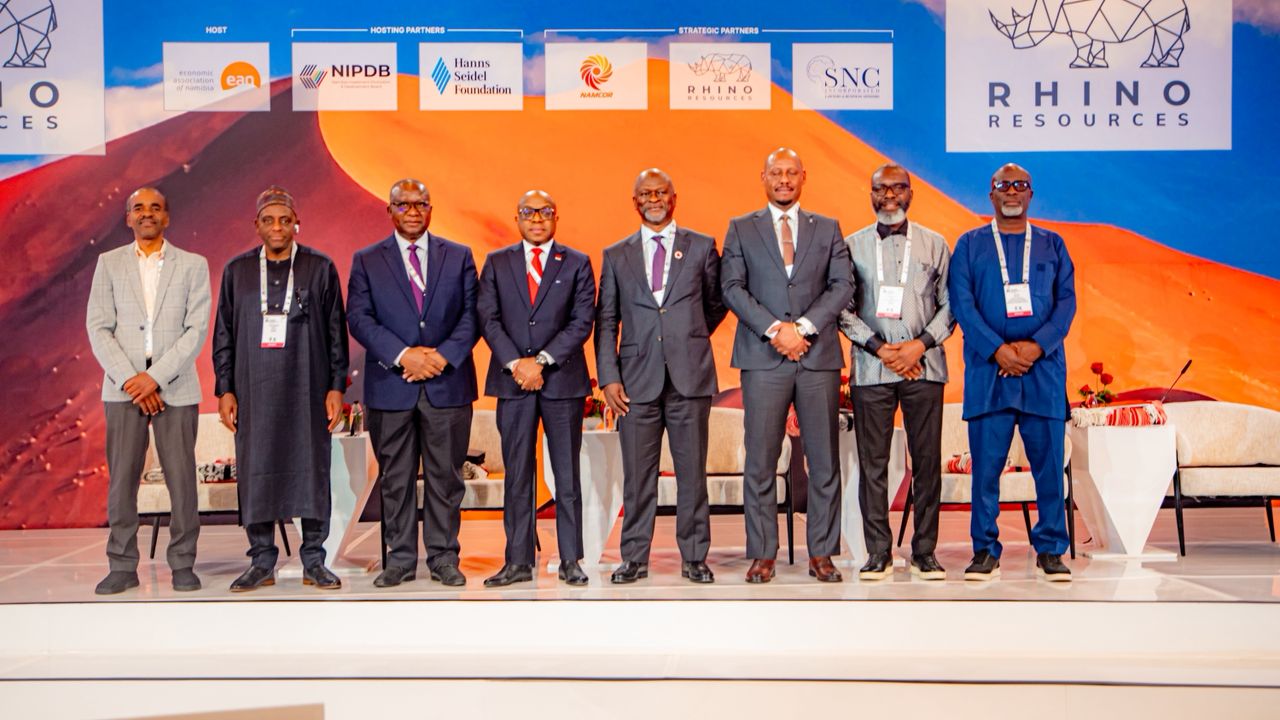
Nigeria’s oil industry regulator has called for greater cooperation among African countries to expand local content in the oil and gas sector, saying cross-border partnerships could help retain more value on the continent and support industrial development, Prime Business Africa reports.
The Nigerian Content Development and Monitoring Board (NCDMB) made the call during a strategic engagement in Namibia on African local content opportunities and cross-border partnerships.
Join our WhatsApp ChannelREAD ALSO :
ESSO Launches $23M Deepwater Shorebase at LADOL, Boosting Nigeria’s Oil and Gas Logistics
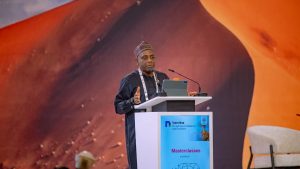
Representing NCDMB Executive Secretary Felix Omatsola Ogbe, Abdulmalik Halilu said African countries should leverage existing industrial capabilities and align local content policies to enable companies to work together on major energy projects.
“ The opportunities available across Africa can only be fully unlocked through deliberate and synchronised efforts that enable cross-border service delivery and industrial collaboration,” Halilu said.
He cited the 2025 Ministerial Council declaration of the African Petroleum Producers’ Organisation (APPO) in Brazzaville, which encourages African countries to strengthen supplier capacity, develop skills, promote knowledge transfer, establish joint ventures and partnerships, and harmonise local content regulations.
Halilu said African countries already had capabilities in areas including fabrication, engineering, manufacturing, subsea services, marine operations and project execution that could be deployed more effectively through regional cooperation.
He pointed to Nigeria’s experience since the enactment of the Nigerian Oil and Gas Industry Content Development Act as an example of how local content policies, supported by data systems, compliance monitoring, supplier development and investment, could increase domestic participation and strengthen industry competitiveness.
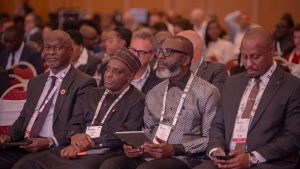
African companies could pursue major projects through prime-subcontractor arrangements, joint ventures, consortium bids and reciprocal market-access agreements, Halilu said.
He said deeper integration would also require improvements in regulatory harmonisation, trade facilitation, customs cooperation, immigration procedures and access to sustainable financing.
Halilu also proposed a Pan-African supplier database and an interactive platform to showcase the capabilities of African companies and connect them with business opportunities across the continent.
He said the African Continental Free Trade Area framework could provide additional opportunities for indigenous companies to expand into regional markets, collaborate on projects and compete for large-scale energy contracts.
READ MORE :
NCDMB Opens Essay Competition to Harness Student Ideas for Nigeria’s Local Manufacturing Growth
At a panel session during the conference, NCDMB Director of Monitoring and Evaluation Esueme Dan Kikile discussed international practices for increasing local participation and in-country value in the oil and gas industry.
Kikile urged Namibia to pursue practical measures to develop local suppliers, transfer skills, support enterprise growth and establish sustainable local content policies, drawing on the experiences of other oil-producing countries.
Namibia’s Vice President Lucia Witbooi also visited the NCDMB exhibition stand during the 2026 Namibian Oil and Gas Conference, where Kikile and other officials presented the board’s mandate and its work in developing local capacity in Nigeria’s petroleum industry.
The NCDMB’s call comes as African oil and gas producers seek to increase domestic participation in energy projects and capture a greater share of the economic benefits from the continent’s natural resources.

Amanze Chinonye is a Staff Correspondent at Prime Business Africa, a rising star in the literary world, weaving captivating stories that transport readers to the vibrant landscapes of Nigeria and the rest of Africa. With a unique voice that blends with the newspaper's tradition and style, Chinonye's writing is a masterful exploration of the human condition, delving into themes of identity, culture, and social justice. Through her words, Chinonye paints vivid portraits of everyday African life, from the bustling markets of Nigeria's Lagos to the quiet villages of South Africa's countryside . With a keen eye for detail and a deep understanding of the complexities of Nigerian society, Chinonye's writing is both a testament to the country's rich cultural heritage and a powerful call to action for a brighter future. As a writer, Chinonye is a true storyteller, using her dexterity to educate, inspire, and uplift readers around the world.