Manufacturers’ VAT Rises 39% To N803.5bn Despite Low Output

August 27, 2025
Manufacturers’ VAT Rises 39% To N803.5bn Despite Low Output

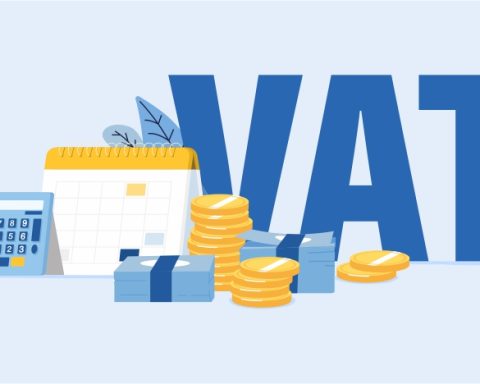
Nigeria’s manufacturing sector contribution to Value-added Tax (VAT) rose by 39 per cent to ₦803.5 billion in 2024 from ₦578.39 billion recorded in 2023.

This growth occurs amid a challenging economic environment characterized by declining industrial output, high inflation, and foreign exchange volatility.

Join our WhatsApp Channel

The data released by the National Bureau of Statistics (NBS) showed that the manufacturing sector has maintained its position as the top contributor to VAT revenues for the fourth consecutive year, underscoring its critical role in Nigeria’s fiscal sustainability despite facing substantial operational challenges.

The manufacturing sector contributed ₦477.43 billion or 19 per cent in 2022. The ₦578.39 billion contribution to VAT in 2023 represented 15.9 per cent of total VAT collections that year.

The quarterly distribution of VAT contributions reveals significant fluctuations throughout the year, reflecting the seasonal patterns and economic volatility that characterized 2024.

In Q4 2024, a total of ₦1.95 trillion, reflecting a 9.23 per cent quarter-on-quarter increase from ₦1.78 trillion in Q3 2024.

READ ALSO: 10 Sectors With Highest VAT Contributions In Q2 2024

The manufacturing sector contributed N237.5 billion in Q4 2024, representing 25.89 percent of total VAT collections. The third quarter of 2024 saw the highest contribution at N395.34 billion (22.21% of total VAT collections), while the first quarter recorded the lowest at N177.17 billion (26.72% of total VAT collections).

These fluctuations correlate with periods of currency instability and policy announcements that affected manufacturing operations throughout the year.

While the manufacturing sector’s VAT contribution recorded a significant increase, its output has continued to decline, primarily attributable to Nigeria’s inflationary environment and currency devaluation. These factors forced manufacturers to increase prices significantly to cover rising input costs, resulting in higher VAT liabilities even on reduced sales volumes.

Economic analysts attributed the VAT increase to macroeconomic factors rather than sector expansion.

Manufacturers grapple with energy costs, logistics costs, foreign exchange volatility and infrastructural deficit (such as lack of access to power supply and an efficient transport system).

victor ezeja
Correspondent at  | + posts

Victor Ezeja is a passionate journalist with seven years of experience writing on economy, politics and energy. He holds a Master's degree in Mass Communication.


Victor Ezeja

Victor Ezeja is a passionate journalist with seven years of experience writing on economy, politics and energy. He holds a Master's degree in Mass Communication.

Previous Story

Beta Glass Reduces Impact Of Cost On Revenue As Turnover Rises 63.37%

DMO Raises ₦136bn In August Bonds As Investors Show Interest
Next Story

DMO Raises ₦136bn In August Bonds As Investors Show Interest

Featured Stories

Latest from Business News

China, Botswana Forge Strategic Pact to Expand Mineral Trade, Investment

Written by Amanze Chinonye China and Botswana have elevated their relations to a comprehensive strategic cooperative partnership, pledging to expand cooperation in mining, trade, investment and security, with a focus on improving access for Botswana’s diamonds and agricultural products to the Chinese market,

Angola’s Sonangol Presses Ahead with IPO Preparations Despite Delay

Written by Amanze Chinonye Angola’s state-owned oil company Sonangol is continuing preparations for a planned initial public offering (IPO), with internal work focused on ensuring the sale delivers value to prospective shareholders, Executive Board Member Osvaldo Inácio said. Join our WhatsApp Channel The

AEW Opens in Cape Town as Africa Seeks Investment for Energy Projects

Written by Amanze Chinonye African Energy Week (AEW) 2026 opened in Cape Town on Monday, bringing together government officials, energy companies, investors and project developers to explore opportunities for financing and developing Africa’s energy resources. Join our WhatsApp Channel More than 10,000 delegates

Kenya’s Debt Burden Raises Questions Over IMF Lending Conditions

Written by Amanze Chinonye Kenya’s mounting debt repayments are intensifying debate over the impact of International Monetary Fund (IMF) lending conditions, including tax increases and spending cuts, as the government faces a major refinancing challenge ahead of the August 2027 general election, Prime
Previous Story

Beta Glass Reduces Impact Of Cost On Revenue As Turnover Rises 63.37%

DMO Raises ₦136bn In August Bonds As Investors Show Interest
Next Story

DMO Raises ₦136bn In August Bonds As Investors Show Interest

Don't Miss

WAFCON 2022: Super Falcons Arrive Casablanca For Cameroon

Nigeria's Super Falcons on Monday arrived Morrocan city of Casablanca

Global Outage Hits X as Thousands Struggle to Access Platform

The social-media platform X (formerly Twitter) suffered a major global