 Amanze Chinonye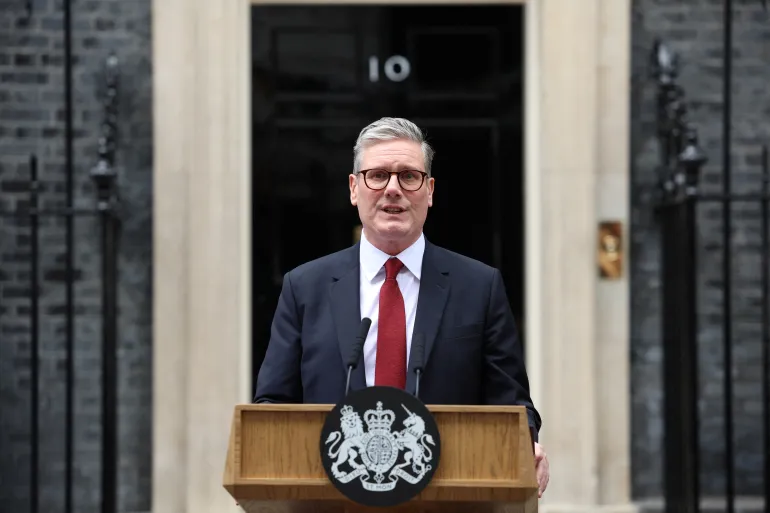
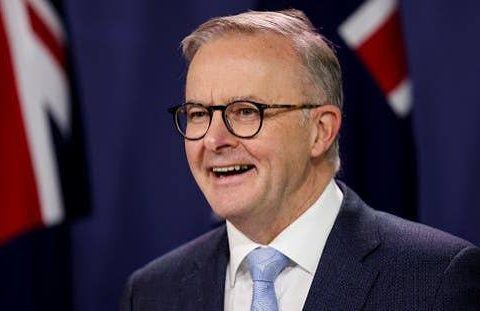
UK Prime Minister Sir Keir Starmer has resigned, bringing an end to a tenure that began after Labour’s 2024 general election victory and triggering a leadership transition within the governing party.
Starmer confirmed his resignation on Monday, stating that he was stepping aside to allow the Labour Party to renew its leadership ahead of the next general election. He is expected to remain in a caretaker capacity until a successor is selected through the party’s internal processes.
Join our WhatsApp Channel
His departure follows weeks of mounting pressure from within Labour’s parliamentary ranks, driven by poor local election results, declining approval ratings, and growing dissatisfaction over the party’s policy direction. Senior figures within the party had increasingly questioned his ability to lead Labour into the next general election, with internal divisions intensifying in recent months.
READ ALSO :
Ten Things To Know About UK’s New Prime Minister Keir Starmer
The leadership crisis has also been shaped by the emergence of potential successors, with Andy Burnham, the former Greater Manchester mayor who recently returned to frontline politics, widely cited as a leading contender. Party insiders say support for a leadership transition had been building steadily, culminating in calls for a formal change at the top.
Throughout his premiership, Starmer faced persistent political headwinds, including weak electoral performances at the local level, internal disagreements within his cabinet, and criticism from party members over his leadership style and strategic direction. These tensions ultimately contributed to a broader sense of instability within the Labour Party.
The Labour Party is expected to open nominations for a new leader in July 2026, with a view to completing the process before Parliament returns from its summer recess in September. Depending on whether a clear successor emerges or a contested leadership race unfolds, the transition could take weeks or extend over several months.
Political reactions have been swift, with Labour figures acknowledging Starmer’s role in stabilising the party after earlier turbulence while also noting internal fractures that became increasingly difficult to manage. Opposition politicians have called for greater clarity on the country’s political direction, with some suggesting the need for a general election following the leadership change.
READ MORE :
International responses have also begun to emerge, with several world leaders acknowledging Starmer’s diplomatic engagements during his time in office, particularly in relation to support for Ukraine.
Financial markets showed limited immediate disruption, reflecting expectations that political uncertainty had been building over time rather than emerging suddenly.
Starmer’s resignation marks a significant turning point in UK politics, leaving Labour to manage both an internal leadership contest and broader questions about its electoral strategy ahead of the next general election. The outcome of the succession battle is expected to shape the country’s political trajectory in the months ahead.

Amanze Chinonye is a Staff Correspondent at Prime Business Africa, a rising star in the literary world, weaving captivating stories that transport readers to the vibrant landscapes of Nigeria and the rest of Africa. With a unique voice that blends with the newspaper's tradition and style, Chinonye's writing is a masterful exploration of the human condition, delving into themes of identity, culture, and social justice. Through her words, Chinonye paints vivid portraits of everyday African life, from the bustling markets of Nigeria's Lagos to the quiet villages of South Africa's countryside . With a keen eye for detail and a deep understanding of the complexities of Nigerian society, Chinonye's writing is both a testament to the country's rich cultural heritage and a powerful call to action for a brighter future. As a writer, Chinonye is a true storyteller, using her dexterity to educate, inspire, and uplift readers around the world.