 Amanze Chinonye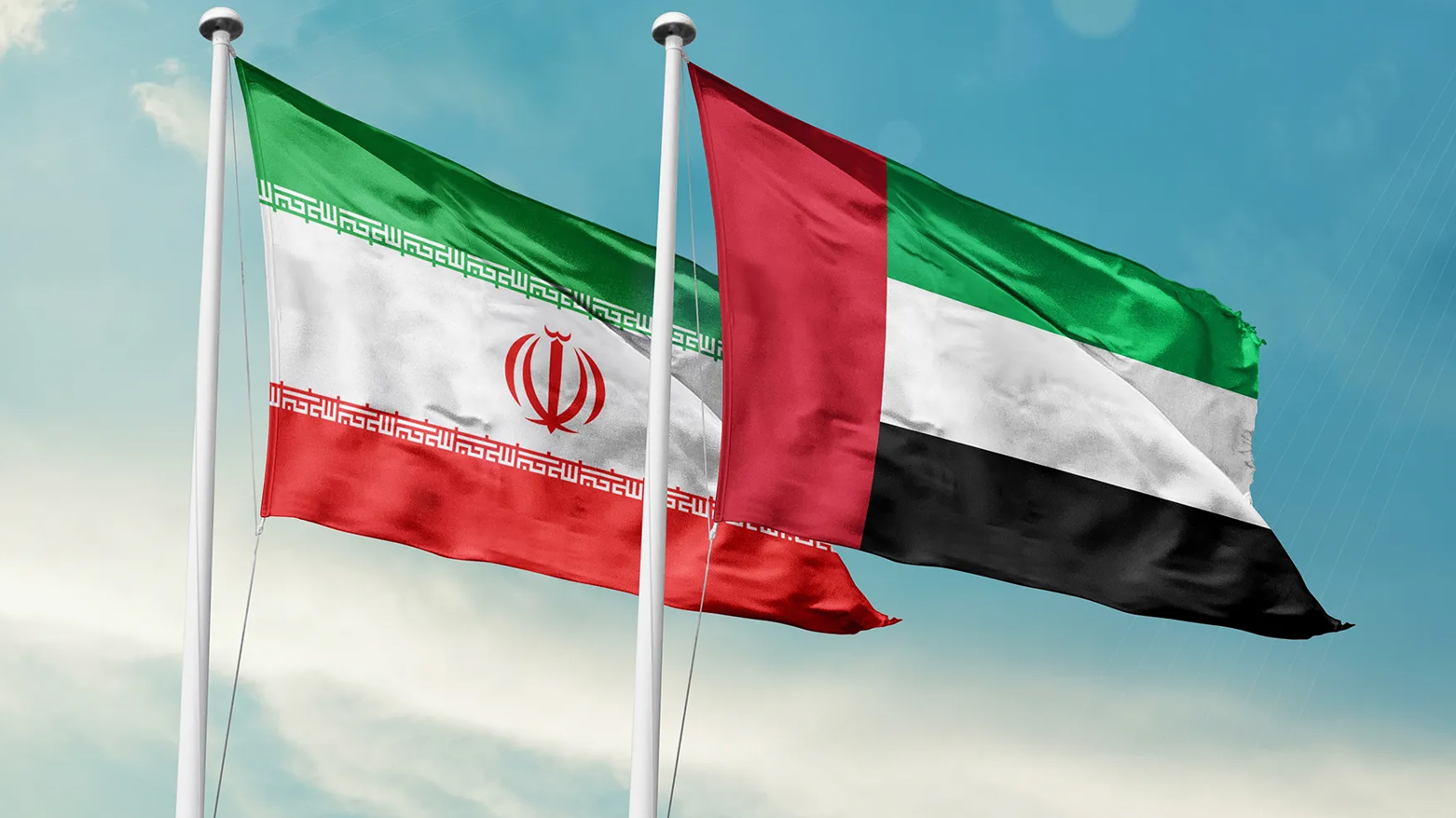
Iranian missile and drone attacks targeting key industrial infrastructure in the Gulf have left at least 11 people dead and 178 injured, according to official figures and international reports, marking a sharp escalation in the ongoing regional conflict.
The United Arab Emirates Ministry of Defence said its air defence systems intercepted 16 ballistic missiles and 42 unmanned aerial vehicles (UAVs) launched toward the country on March 29.
Despite the high interception rate, authorities confirmed that two UAE military personnel were killed while on duty, alongside civilian casualties. Many of the injuries and fatalities have been linked to debris from intercepted projectiles.
Join our WhatsApp ChannelSince late February, the UAE says it has engaged a cumulative 414 ballistic missiles, 15 cruise missiles and 1,914 drones, highlighting the scale and persistence of the attacks.
READ ALSO : Iran Warns UAE Civilians to Avoid Ports as Missile, Drone Attacks Escalate
Aluminium Facilities Targeted, Damage Confirmed
Major aluminium producers across the Gulf confirmed that industrial facilities were directly affected, signalling a shift toward economic targets.
Aluminium Bahrain (Alba) said its operations were struck, reporting limited damage and minor injuries among workers.
In the UAE, Emirates Global Aluminium (EGA) confirmed “significant damage” to its Al Taweelah facility in Abu Dhabi, with several workers injured.
The Gulf accounts for roughly 8 to 9 percent of global aluminium production, and analysts warn that disruptions could ripple through international supply chains.
Iran Claims Responsibility as Tensions Escalate
The Islamic Revolutionary Guard Corps (IRGC) claimed responsibility for the strikes, describing them as retaliation for recent U.S. and Israeli attacks on Iranian steel and nuclear facilities.
The attacks underscore a widening conflict increasingly targeting industrial and economic infrastructure rather than strictly military sites.
Officials say the casualties include expatriate workers from multiple countries, reflecting the diverse workforce across Gulf industrial hubs.
The UAE authorities have also tightened security measures, with reports indicating that individuals suspected of filming or sharing footage of the attacks have been detained under national security regulations.
The Ministry of Defence reiterated its readiness to confront further threats, stating it would continue to safeguard national infrastructure, sovereignty and civilian populations amid the escalating crisis.

Amanze Chinonye is a Staff Correspondent at Prime Business Africa, a rising star in the literary world, weaving captivating stories that transport readers to the vibrant landscapes of Nigeria and the rest of Africa. With a unique voice that blends with the newspaper's tradition and style, Chinonye's writing is a masterful exploration of the human condition, delving into themes of identity, culture, and social justice. Through her words, Chinonye paints vivid portraits of everyday African life, from the bustling markets of Nigeria's Lagos to the quiet villages of South Africa's countryside . With a keen eye for detail and a deep understanding of the complexities of Nigerian society, Chinonye's writing is both a testament to the country's rich cultural heritage and a powerful call to action for a brighter future. As a writer, Chinonye is a true storyteller, using her dexterity to educate, inspire, and uplift readers around the world.