Admin
Admin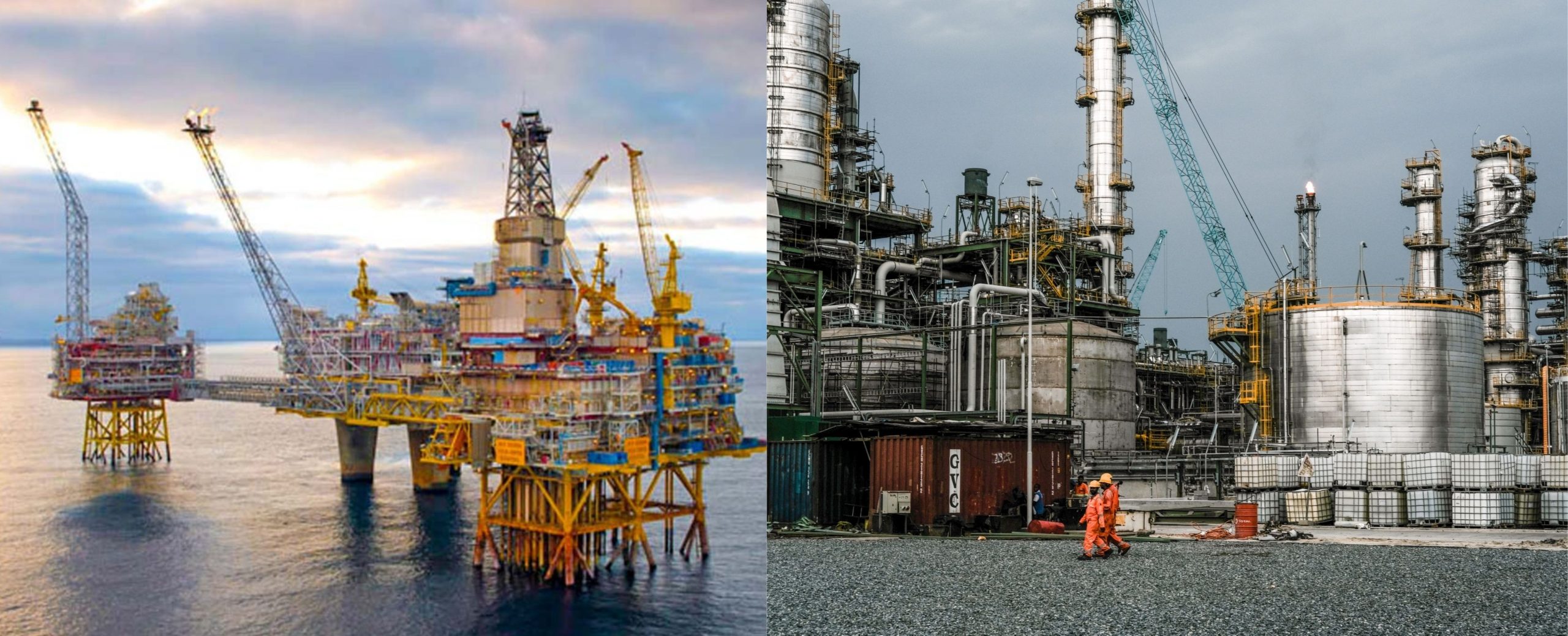
By ETIM ETIM
We are now in the third week of the war in the Middle East, and the Nigerian economy is in trouble once again.
Petrol prices are up 50% from levels in early February with attendant price increases in many markets. Food, transportation and many consumer products are experiencing sharp price jumps, upending the gains of the last few months during which monetary and fiscal authorities were able to drive down inflation.
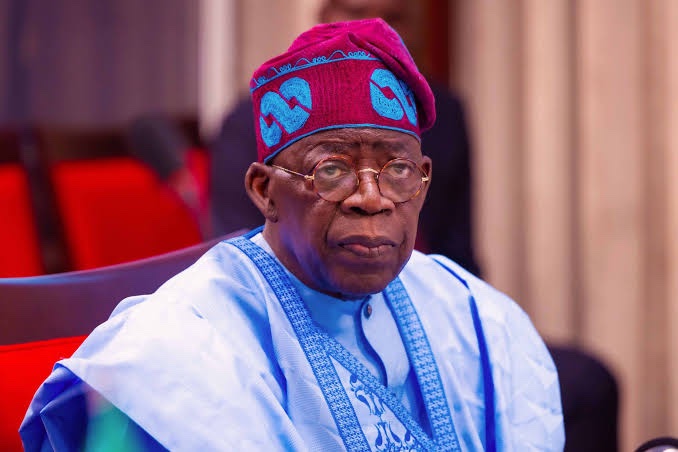
Join our WhatsApp ChannelIt is a clear reminder of the early days of the Tinubu administration when headline inflation went up to 60% and food inflation was nearly 30% due to the government’s economic measures.
In the last three weeks, motorists in many Nigerian cities have abandoned their vehicles due to excessive fuel price, and the citizens are complaining and wailing bitterly once again. But why is a war fought thousands of miles from Nigeria creating such hardships to the average citizens at home?
The answer lies in disruption of supply and the resultant interplay of market forces. The removal of fuel subsidy in 2023 has, for the first time, resulted in a full deregulation of fuel pump price of petrol in the country. This means Nigerian refiners and fuel importers can sell petrol based on crude oil prices in the international market and other associated costs at a premium that enables them to stay in business.
In this case, the war in Iran has disrupted global supply of crude oil and petrol supplies, leading to price increases that are being passed down to consumers. But many Nigerians can’t understand why a war in a distant land should influence fuel prices in their country, a major OPEC producer.
They blame the government, Aliko Dangote and even NNPC for this anomaly. But what of those who started the war?
Here’s a sample of what some are saying in the social media:
‘’Nigerians vilified Farouk Ahmed for being a corrupt regulator without a shred of evidence, but what he was trying to protect Nigerian consumers from is playing out today and Nigerians are learning economics in real time…
This is why you are buying fuel at N1,400 per liter because Aliko Dangote has captured the petrol market’’ – Chukwudi Iwuchukwu
‘’No matter how we saw President Buhari and what we may say about him, his single-minded support for Dangote to build his refinery to build a refinery was a great patriotic act. If that refinery did not exist, what would we have done today in the face of this Middle East crisis?
We would have paid far more than we are currently paying for fuel, besides the traditional perennial scarcity that we had been used to enduring. Buhari made sure every official bottleneck was out of the way for Aliko to focus on delivering this critical national asset’’ – MmekAbasi Akpabio
‘’As a major crude oil producer, Nigeria should be insulted from global price shocks like the US/Israel-Iran conflict. This raises questions about local refining capacity and why Dangote didn’t invest in crude oil production alongside the world’s largest single-train refinery’’ – Nnaemeka Madegbunam
‘’But would it not be more honourable for the federal government to sell crude oil to Dangote at a lower price so that citizens can buy petroleum products are more affordable rates? Must the government make 100% profit from crude oil sales at the expense of its own people? Even after the removal of subsidy, the government is still struggling to pay workers’ salaries. Meanwhile much of the money saved from removal of subsidy appears to be going into wasteful spending…’’ – Kayode Ogunwale
READ ALSO : Why Domestic Refineries Cannot Completely Insulate Fuel Prices – CPPE
This article attempts to address the salient points and questions raised in these commentaries.
Many refineries in the Middle East have been hit by the conflict in the Middle East, resulting in shutdowns and cut in refining capacity across the world.
The Strait of Hormuz, which handles 20% of the world’s crude oil shipping, has been closed, leading to sharp increase in crude oil prices, with the Nigerian Brent selling at a higher premium than the Brent benchmark by $3-$6 per barrel.
As at last week, Dangote Refinery, the major supplier of refined products in the country, was buying Nigerian crude at between $88 and $91 per barrel (inclusive of freight), up from $68 before the war. Petrol price has also jumped from N774 per liter ex-depot to N100 per liter.
In addition, the inadequacy of Nigerian crude oil supply to local refineries is another problem. Out of 13 cargoes of crude oil which Dangote requires in a month, NNPC supplies only five cargoes which, thankfully, the refinery pays for in Naira. But these cargoes are priced at international market prices plus premium. This means the refinery pays the Naira equivalent of the dollar cost of the crude oil it buys from NNPC. To make up for the eight-cargo monthly shortfall, the refinery has to import crude from local and international traders. Such imports also attract premium charges, in addition to foreign exchange charges.
As a private business, Dangote refinery cannot absorb all these costs alone. Some are passed down to consumers and that explains the pump price increases. It is notable, however, that the Petroleum Industry Act (PIA) mandates the NNPC to supply all local refiners in the country with all the crude oil they need. By failing to meet this minimum legal requirement, NNPC has failed the Nigerian nation. That’s where the blame should start.
NNPC’s excuse is that much of its crude oil had already been presold in some futures transactions before PIA was enacted. We don’t understand the details of these futures sales which were consummated under the corruption-ridden era of Mele Kyari. But what if the NNPC had been able to supply Dangote all the 13 cargoes it requires monthly, could the pump price increases have been avoided?
Not really, but it’s probable that the increase might not have been as steep as it is today. If Ahmed Farouk was not fired as the chief regulator in the upstream sector by the government and importation had continued unabated, could the prices have been lower? That’s highly unlikely also. Are we not seeing increased in pump prices across the world?
The fact remains that the disruption in global crude oil supply due to the war in the Middle East are impacting prices of both imported and locally refined fuel across the world. Protests against fuel price increases have erupted in several countries since the Iran war started.
In the UK, the government has warned petrol retailers against ‘’unfair practices’’ amid rising fuel costs, with Energy Minister warning competition watchdog to crackdown on ‘’rip-off’’ fuel prices.
In the United States, for example, which is a major crude oil producer, is releasing millions of liters of fuel from its strategic reserves into its domestic market to moderate pump prices. Other countries are also taking steps to manage the crisis in their own way. European governments are trying to cap profit margins and redistributing excess tax revenue.
The Nigerian government has so far not announced any measures to protect Nigerians from the impacts of this war on fuel costs. Very soon, we may be asked to start praying for the war to end.

Amanze Chinonye is a Staff Correspondent at Prime Business Africa, a rising star in the literary world, weaving captivating stories that transport readers to the vibrant landscapes of Nigeria and the rest of Africa. With a unique voice that blends with the newspaper's tradition and style, Chinonye's writing is a masterful exploration of the human condition, delving into themes of identity, culture, and social justice. Through her words, Chinonye paints vivid portraits of everyday African life, from the bustling markets of Nigeria's Lagos to the quiet villages of South Africa's countryside . With a keen eye for detail and a deep understanding of the complexities of Nigerian society, Chinonye's writing is both a testament to the country's rich cultural heritage and a powerful call to action for a brighter future. As a writer, Chinonye is a true storyteller, using her dexterity to educate, inspire, and uplift readers around the world.