 Emmanuel Ochayi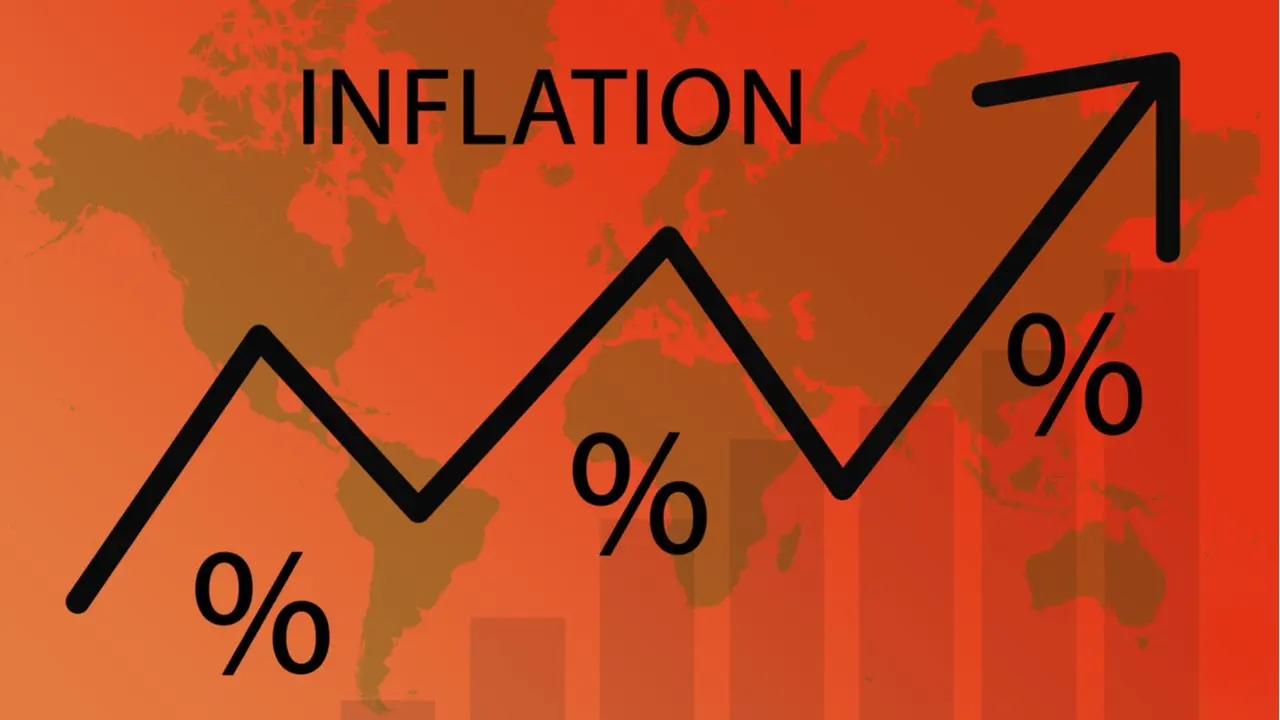
In recent years, Nigeria has faced significant economic challenges, with inflation rates reaching unprecedented levels. As of November 2024, the country’s inflation rate soared to a near 30-year high of 34.6%, up from 33.9% in the prior month, eroding purchasing power and increasing the cost of living.
This persistent rise in prices has eroded the purchasing power of the naira, making it increasingly difficult for Nigerians to maintain their standard of living. The escalating costs of essential goods and services have prompted individuals and families to seek effective strategies to protect their wealth in this volatile economic environment.
Join our WhatsApp ChannelInflation, defined as the general increase in prices and the consequent decline in the purchasing value of money, poses a significant threat to savings and investments. When inflation rates outpace income growth, the real value of money diminishes, leading to reduced consumer spending power. For instance, items that could be purchased with a certain amount of money a year ago now require substantially more funds, highlighting the erosive impact of inflation on wealth.
The Nigerian government has implemented various measures to address this issue. Notably, the Central Bank of Nigeria (CBN) has adopted a disciplined approach to monetary policy, aiming to stabilize the economy and curb inflation. CBN Governor Olayemi Cardoso emphasized the importance of robust policies and coordination between fiscal and monetary authorities to anchor expectations and maintain investor confidence. He stated, “Managing disinflation amidst persistent shocks requires not only robust policies but also coordination between fiscal and monetary authorities to anchor expectations and maintain investor confidence.”
Despite these efforts, the effects of inflation are still deeply felt by the populace. The rising cost of living necessitates that individuals take proactive steps to safeguard their financial well-being. This involves exploring various investment avenues and financial strategies that can help preserve and potentially grow wealth, even as the naira’s value fluctuates.
READ ALSO: Inflation: Has The Naira Become Victim Of Policy Missteps?
Understanding Inflation and Its Impact on Personal Finances
Inflation affects various aspects of personal finance, including savings, investments, and purchasing power. As the cost of goods and services increases, the real value of money decreases, meaning that the same amount of money buys fewer goods and services than before.
This reduction in purchasing power can erode the value of savings and fixed-income investments, making it essential to adopt strategies that outpace inflation.
Expert Insights on Protecting Wealth During Inflation
Financial experts emphasize the importance of proactive financial planning to mitigate the adverse effects of inflation. Oluseyi Fayemi, an economist, advises individuals to reassess their financial strategies. He notes, “Inflation is a silent adversary that erodes purchasing power and diminishes the real value of savings.”
He also advises Nigerians to move beyond holding cash and diversify their portfolios. “Inflation erodes the value of money over time. To protect wealth, Nigerians should invest in assets that historically outpace inflation, such as real estate, stocks, and commodities like gold,” he said. Fayemi also stressed the importance of foreign currency investments. “Holding assets in stable foreign currencies like the U.S. dollar can serve as a hedge against local currency depreciation.”
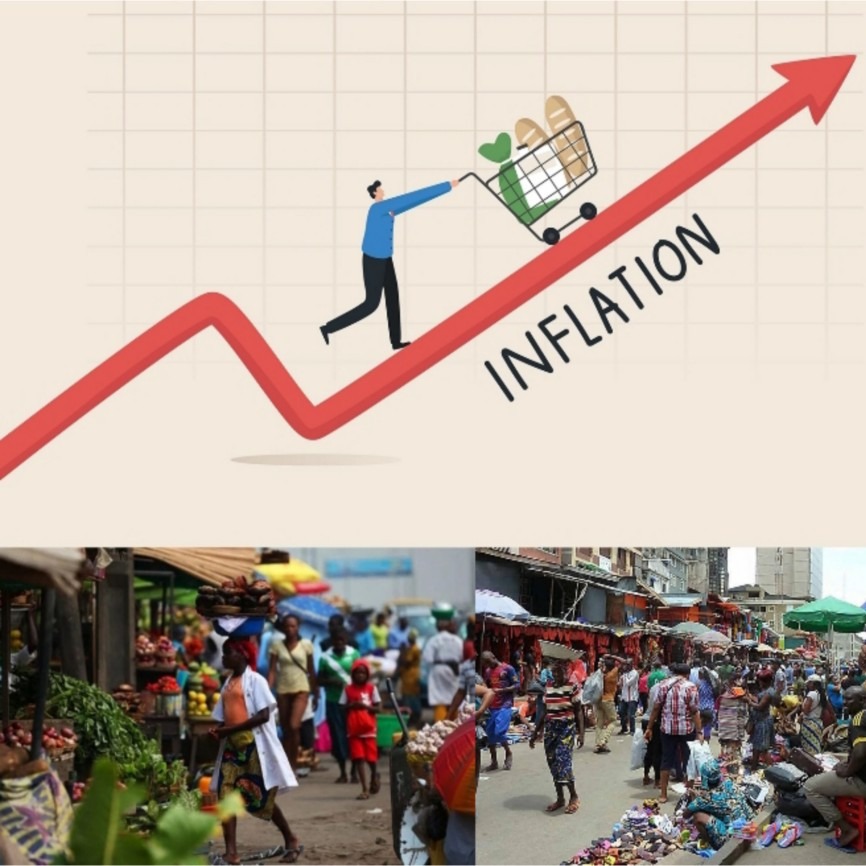
Diversifying investments is a key strategy recommended by experts. Uche Eze, a certified financial advisor and author of “Smart Money for Nigerians,” stresses the importance of building an emergency fund. He suggests, “Building an emergency fund doesn’t require a large income. Start by saving 10 percent of your earnings monthly, even if it’s modest.”. He also highlights the importance of cash flow during inflationary periods.
“Assets that generate passive income—such as rental properties, dividend-paying stocks, or business ventures—can help offset rising living costs,” he explained. She warned against keeping too much money in savings accounts with low interest rates. “Money sitting idle in a bank is losing value daily due to inflation. Nigerians need to think strategically about where to place their funds.”
Investment Strategies to Outpace Inflation
“Investing in assets that historically outpace inflation can help preserve and grow wealth. Real estate is one such asset class, as property values and rental income often increase with inflation. Investing in rental properties can provide a steady income stream and potential appreciation over time. Commodities like gold and silver are also considered effective hedges against inflation. These tangible assets tend to retain intrinsic value and can diversify an investment portfolio.” Fayemi said.
Inflation-indexed bonds and treasury bills offer returns that adjust with inflation, preserving purchasing power. These low-risk investments provide inflation-adjusted returns and are accessible through institutions like the Central Bank of Nigeria.
The Role of Financial Literacy and Planning
“Enhancing financial literacy is crucial in developing effective strategies to combat inflation. Understanding how inflation impacts various investment vehicles enables individuals to make informed decisions. Regularly reviewing and adjusting investment portfolios to align with current economic conditions is essential.” Eze said.
Consulting with financial advisors can provide personalized guidance tailored to individual financial goals and risk tolerance.
Government Initiatives and Economic Reforms
The Nigerian government has proposed tax reforms aimed at curbing inflation by lowering costs for most households. The reforms include nearly doubling the value-added tax (VAT) to 12.5% by 2026 while exempting essential items like food and medicine. This move is expected to lower prices for the majority of Nigerians, who spend most of their budget on these items.
Additionally, the Central Bank of Nigeria has introduced measures to strengthen the banking sector, including new minimum capital requirements for banks effective March 2026. These initiatives aim to ensure resilience and position Nigeria’s banking industry for a $1 trillion economy.

Emmanuel Ochayi is a journalist. He is a graduate of the University of Lagos, School of first choice and the nations pride. Emmanuel is keen on exploring writing angles in different areas, including Business, climate change, politics, Education, and others.