Fakoyejo Olalekan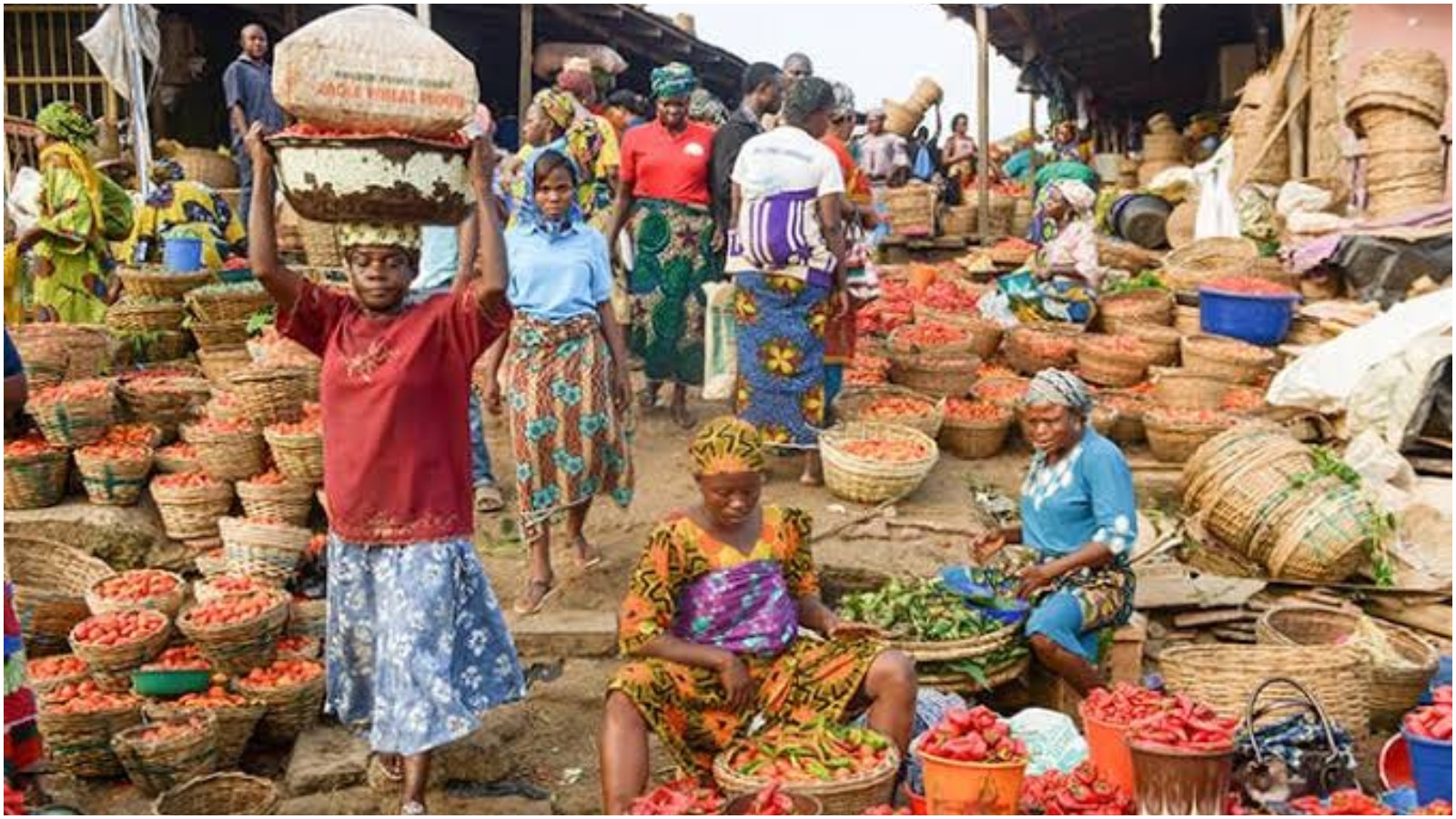
The inflation rate in Nigeria hit 17.71% in May 2022, the highest in 11 months, rising from 16.82% recorded in April, according to new report released by the National Bureau of Statistics (NBS) on Wednesday.
The monthly report titled, Consumer Price Index (CPI), stated that inflation rate in urban areas rose to 18.24% year-on-year in May 2022, while in the rural area, inflation moved to 17.21% last month, on a year-on-year basis.
Join our WhatsApp ChannelWithin the period under review, food inflation recorded a hike, hitting 19.5% last month, rising by 1.13% from 18.37% reported in April 2022. Although, this is below the 22.28% the bureau reported during the same period last year.
How inflation is affecting Nigerians
NBS report shows that individuals living in urban areas are paying more for goods, but those living in the rural area are also experiencing inflation reducing their purchasing power, which means both areas are paying more for less value.
According to the survey, households in Nigeria are now expending more cash to purchase bread and cereals, food products; potatoes, yam, and other tubers, fish, meat, and oils, which are basic necessities for Nigerian families.
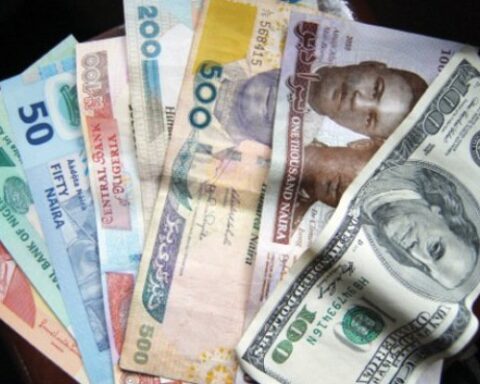
The government’s inability to curb inflation is affecting households disposable income, and eroding the value of naira in the hands of employed and unemployed Nigerians. It weakens people’s purchasing power, such that, an household that buys four eggs when it was N50 each, will have to reduce the number of eggs bought going forward, or pay N80 per one.
Prime Business Africa understands that the most affected, considering inflation impact on general items, are residents of Bauchi State, which recorded the highest rate movements to settle at 20.62% in May, next is Akwa Ibom recording 20.34%, with Rivers experiencing inflation of 19.95%.
In terms of food inflation, Kogi State recorded 22.79%, Akwa Ibom and Kwara reported 22.47% and 22.21% respectively.
What you need to know
In a bid to cut inflation rate, the Central Bank of Nigeria (CBN) raised interest rate benchmark to 13%, first time since 2020, from 11.5%. The hike is projected to increase borrowing cost, which will drag prices of food products and other goods up in the main time.
However, with households expected to cut their expenses in response to the rising food and goods prices, companies will be forced to drop their cost in the long term, and cut production volume due to impact of high borrowing cost to run operation.