Blessing Nweke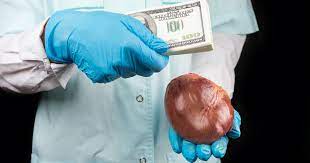
In certain corners of the world, an unspeakable commerce feeds the voracious demand for organs transplant that has drastically outpaced legitimate supply channels. This nefarious trade not only represents the violation of human rights and dignity but directly enables the perpetuation of transnational organised crime.
Organ harvesting is the process of removing organs or tissues from a person known as the donor and transplanting them into another person known as the recipient who needs them for survival or to improve their health condition. This is a medical procedure that is done with the consent of the donor or their family and it is a splendid act of kindness that can save lives.
Join our WhatsApp ChannelWhat about situations where there is an organ harvest and transplant without the consent of the donor or their family?
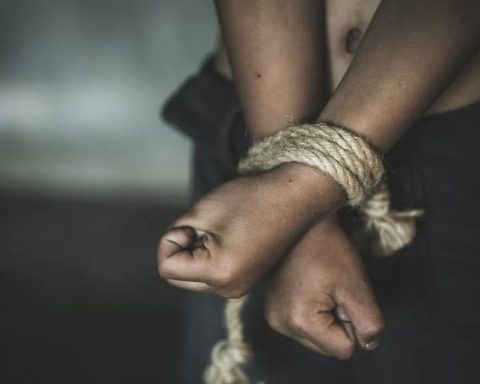
Illegal organ harvesting is the removal of organs or tissues of a person without their consent, or the sale of organs by a person who is not permitted or authorised to do so. S.602 Stop Forced Organ Harvesting Act 2021, of the 117th US Congress (2021-2022), mentioned illegal organ harvesting as forced organ harvesting and defined it as the removal of one or more organs from a person by means of coercion, abduction, deception, fraud or abuse of power or a position of vulnerability.
Research shows that most times this abhorrent act is mostly fueled by inordinate quest for money in addition to human ruthlessness. Economic issues such as poverty and instability can drive individuals to desperate measures including selling their organs to support themselves and their families. In 2018, Premium Times reported that a woman in Lagos State was arrested for selling her 10-year-old son’s kidney to a recipient in India for $20,000. Also, a 2019 investigation by the Egyptian newspaper Al-Masry Al-Youm exposed an organ trafficking ring that targeted poor individuals including children, and sold their organs to recipients in the Middle East and Europe. A 2018 report by Sunday Times revealed how poor individuals in South Africa were being lured into selling their kidney for as low as $1,500. These exploitations were made possible by countries’ significant wealth disparities. They also highlight how poverty can lead desperate individuals to make drastic decision that could be detrimental to their lives in thr long term.
READ ALSO: CRISPR Gene Therapy for Sickle Cell Disease and Beta-Thalassaemia
In 2019, a report by the Nigerian National Agency for the Prohibition of Trafficking in Persons (NAPTIP) revealed that unemployment was a significant factor in organs harvesting and trafficking, with many victims being lured with promises of job opportunities.
Other factors include greed, desperation and lack of empathy towards fellow humans. The human heart is capable of both good and evil and some individuals may prioritize personal gain over the well-being and autonomy of others. Greed, in particular, can be a significant motivator, driving some individuals to exploit vulnerable populations for personal financial gain and donors out of greed and desperation accept promises of large sum of money or other benefits in exchange for their organs.
Organ harvesting is a global concern, and it is illegal to remove organs from people without their consent. The illegal trade poses significant risks to both donors and recipients, including severe health complications, organ rejection, and even death. The World Health Organisation estimates that 10 per cent of organ transplants worldwide involve organs obtained through illicit means.
A popular Nigerian politician and former deputy senate president, Ike Ekweremadu, his wife, Beatrice and Dr Obinna Obetta are currently UK jail following their conviction in 2023 for attempt to engage in organ harvesting. Ekweremadu’s daughter, Sonia, was in need of kidney transplant which made the lawmaker engage a third party to get a donor, who later, upon arrival in UK from Nigeria, reported to the law enforcement authorities that he was lured and had no knowledge of what was going to happen to him. This set the stage for the lawmaker’s trial and subsequent prosecution.
Donors often undergo risky surgeries in unsanitary conditions, with little to no post-operative care. Many suffer from long-term health complications or even lose their lives in the process. Inadequate screening processes and unsanitary conditions increase the likelihood of transmitting infectious diseases such as HIV/AIDS and hepatitis. Furthermore, the black market nature of the trade means that recipients often receive organs of dubious quality, leading to post-transplant complications and even death. The human cost of illegal organ harvesting extends beyond the physical realm, leaving psychological scars on survivors and their families.
The commodification of human organs raises profound ethical questions. In a world where organs are treated as commodities, the dignity and autonomy of individuals are compromised. Moreover, the unequal distribution of wealth exacerbates the exploitation of the poor, who are coerced into selling their organs out of desperation. This exploitation perpetuates cycles of poverty and inequality, further marginalizing vulnerable communities.
Addressing the scourge of illegal organ harvesting requires a coordinated international response. Collaboration between countries is essential to disrupt trafficking networks and strengthen regulatory frameworks. Additionally, raising awareness about the ethical and health implications of illegal organ harvesting is crucial to changing societal attitudes towards organ donation. International organisations and civil society groups play a vital role in advocating the protection of human rights and the promotion of ethical practices in organ transplantation.
Combatting illegal organ harvesting requires a multi-faceted approach that addresses its root causes and consequences. Strengthening legal frameworks, enhancing healthcare infrastructure, and raising awareness about the importance of ethical organ donation are essential steps towards eradicating this illicit trade. Moreover, addressing underlying socio-economic inequalities and improving access to healthcare can help alleviate the desperation that drives individuals to sell their organs.
There are certain standards governing donation and transplantation, which include:
The World Health Organisation’s “Guiding Principles on Human Cell, Tissues and Organ Transplantation.
Consensus Statement of the Amsterdam Forum on the Care of the Living Donor.
Declaration of Istanbul on Organ Trafficking and Transplant.