 Ezuka Sharon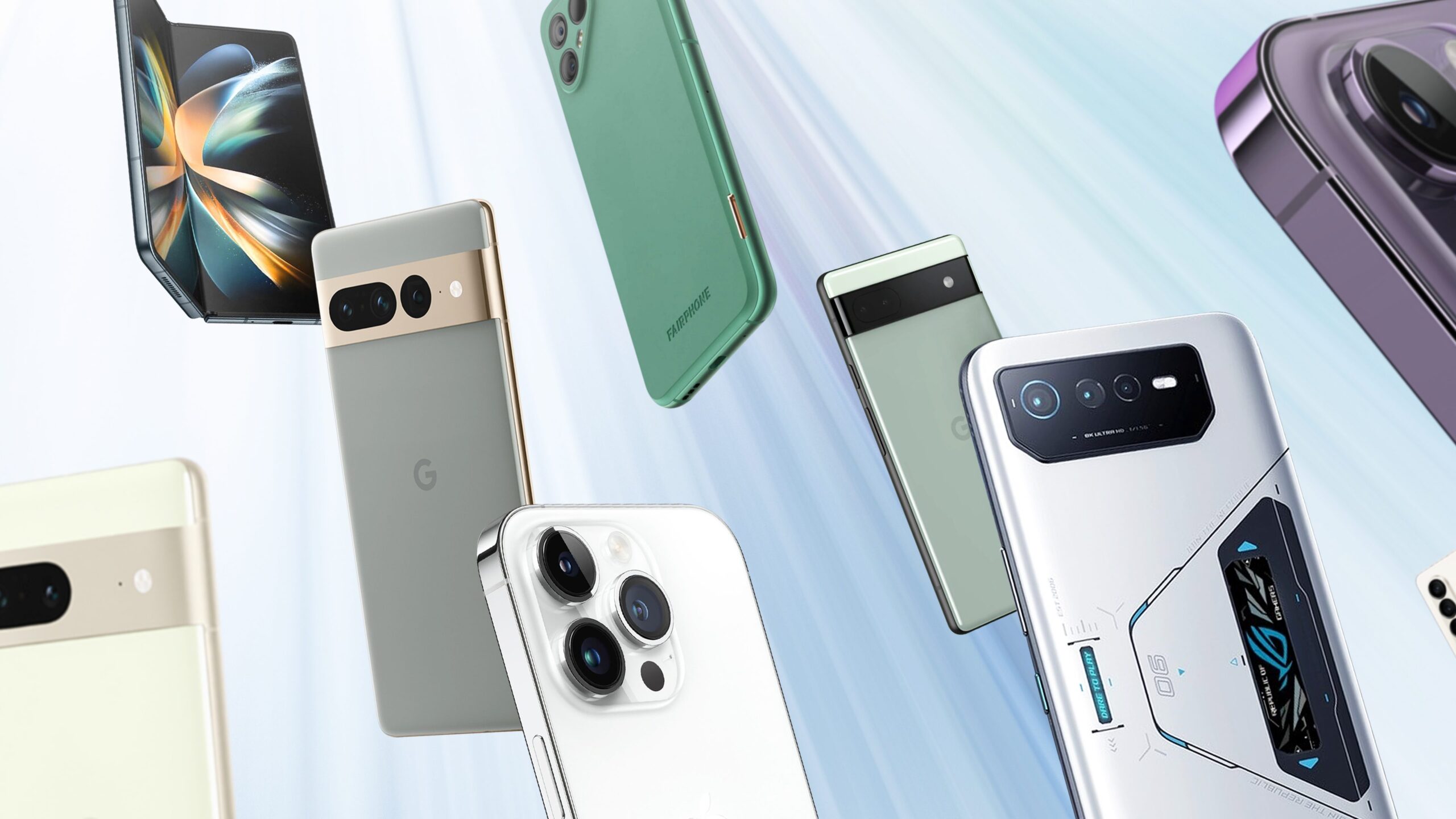
I know I don’t speak for myself alone when I say the Nigerian economy has greatly affected the cost of mobile phones imported into the country daily. Yesterday’s price is no longer today’s price. There used to be a time when an average Nigerian could afford to get a pretty decent phone for N20,000 but in the year 2022 that sounds like a joke.
The Nigerian economy has gone on a decline and the depreciation of the Naira has affected the prices of phones in the Nigerian market. Low-end phones in other countries have become high-end phones in Nigeria and other African countries.
Join our WhatsApp ChannelAccording to Alliance for Affordable Internet (A4AI), the global average cost of a smartphone is around 26 per cent of an average monthly income, $104. Despite these statistics, there are significant divisions in affordability between regions and countries.
READ ALSO: Samsung A73 Vs Reno 8 Pro: Clash of Mid-range Phones
According to the study, an average person in the Least Developed Countries (LDC) would have to spend over half of their monthly income to buy a smartphone and those in low-income countries have to spend almost 70 per cent of their monthly income to purchase the cheapest available smartphone in the market.
This is the reality for many Nigerians. A middle-class Nigerian’s monthly salary can’t afford to buy a high-end smartphone. They would have to settle for the cheapest in the market. For instance, A Samsung Galaxy A73 phone costs over N300,000. An average Nigerian does not earn up to N300,000; so, they cannot afford to buy a Samsung galaxy A73.
Perhaps, what’s most shocking is the disparity in mobile affordability across countries. According to reports, brands with the least affordability are not available in countries with low average incomes. Instead, what we have is a market that offers a limited selection of high-end phones.
READ ALSO: iPhone 14 Series: The Little Secrets
Better economies like the United Kingdom, Bermuda, Ireland and Turks & Caicos offer more affordable brands, like Alcatel phones. A brand notable for its affordability. Why then should we have phones like the iPhone 12s and 13’s everywhere in the market when a typical Nigerian can’t afford them? It costs more than three times the monthly income of a typical Nigerian.
The Nigerian economy is not suited to these types of mobile phones. There has been a decline in purchase of phones in the country. People no longer want to buy phones because of how expensive they are. This reality should encourage operators to play the important role of advancing affordability, by diversifying their inventory to offer a variety of more affordable brands in low and middle-income countries.